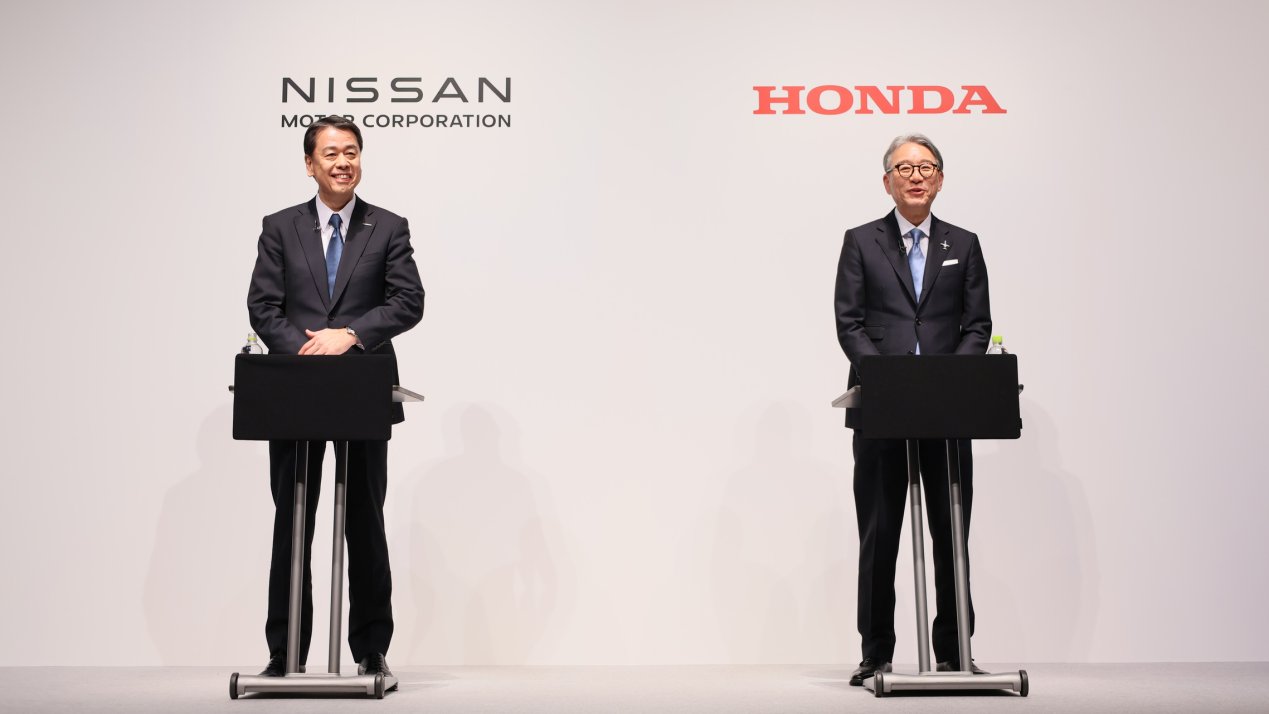
Nissan and Honda have entered a joint development agreement aimed at creating and standardizing software and electronic components for their next-generation software-defined vehicles (SDVs). This marks a significant collaboration between the two automakers following failed merger discussions last year.
Key Details of the Agreement:
- Common Specifications: Both companies will develop uniform specifications for various electronic control units (ECUs), which will function as the central computing systems for their future connected and autonomous vehicles.
- Technical Scope: The collaboration includes:
- Development of a primary vehicle operating system (OS).
- Key components for vehicle middleware.
- Core control software for managing automotive functions.
The new electronic architecture, utilizing the shared ECUs and software, is set to be rolled out in SDVs starting in April 2029.
Industry Context:
The automotive sector is shifting towards electric, connected, and automated vehicles, with software increasingly becoming the competitive edge over traditional hardware like engines. This partnership aims to optimize R&D resources, reduce costs, and shorten vehicle development cycles amidst declining sales in key markets such as China and the U.S.
Strategic Shift:
This alliance follows the exploration of broader structural integration between the two companies. Initial talks of a merger were halted due to disagreements, particularly concerning ownership structures.
The partnership will not only focus on software and ECUs but also venture into collaborations around carbon neutrality and improving vehicle safety. Both Nissan and Honda will retain distinct capabilities to deliver brand-specific value to customers.