The concept of using mirrors in space to redirect sunlight to Earth at night is gaining attention, but it raises significant concerns about light pollution. A recent study indicates that these mirrors could shine brighter than the full moon, altering the night sky and impacting astronomical observations.
Key Points:
-
Project Overview: California-based Reflect Orbital envisions using large mirrors to illuminate areas on Earth after sunset, which could benefit solar farms and emergency services.
-
Brightness of the Mirrors: Research led by Gáspár Bakos found that a single 177-by-177-foot satellite could appear approximately four times brighter than the full moon. The light would extend well beyond the intended target area, potentially affecting areas miles away.
-
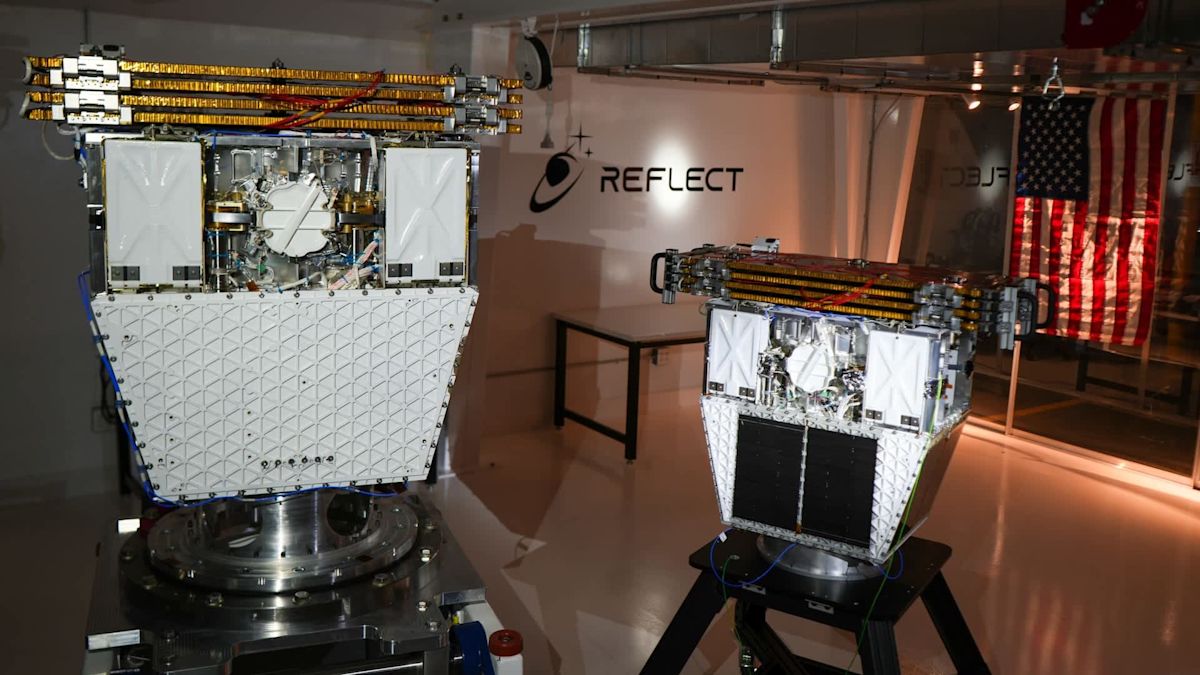
Eärendil-1 Prototype: This smaller satellite is set to create a 1.6-mile patch of light in orbit. It aims to lead a larger network of around 50,000 satellites.
-
Potential Effects: The commercialization of the night sky could disrupt stargazing, nighttime recreation, and astronomical research, posing challenges for those who value dark skies.
Regulatory Concerns:
-
The FCC has already approved the Eärendil-1 project despite numerous public objections, indicating a lack of regulatory oversight regarding light pollution from such technologies.
-
There’s a worrying possibility that operating multiple satellites could create widespread twilight-like conditions visible from significant distances.
Conclusion:
With technology outpacing regulations, there are serious implications for the environment and our ability to experience natural night skies. Awareness of these developments is vital as private companies explore aggressive initiatives in orbital space.