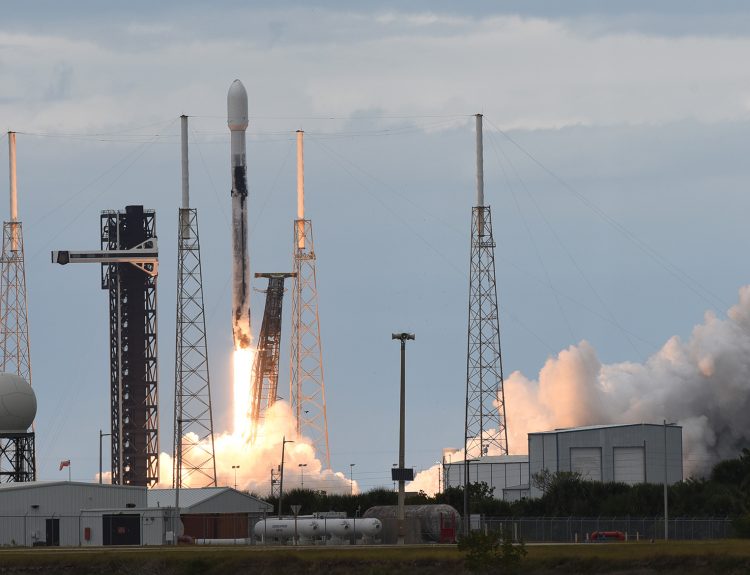
The article discusses the importance of reliability in space electronics, highlighting that many missions often exceed their planned operational windows. This necessitates a rethinking of how reliability is defined: it should account for the stability of components over unexpected extensions and various environmental challenges.
Key points include:
-
Diverse Requirements: Traditional programs demand strict reliability standards, while newer companies favor faster, cost-effective solutions, complicating the reliability landscape.
-
Overlooked Interconnects: Connectors and harnessing often receive less attention than other critical components, yet they significantly impact reliability. Many reliability issues arise due to viewing interconnect decisions as mere procurement choices instead of integral design elements.
-
Challenges in High-Density Assemblies: Various factors like packaging, thermal expansion, and handling add complexity to interconnect reliability.
-
Last-Minute Fixes: Delaying interconnect design often leads to piecemeal solutions (“Frankenstein solutions”) that can introduce hidden failures.
-
Reliability Debt: This concept refers to the cumulative risk arising from deferred interconnect decisions, which can lead to increased costs and delays in development.
-
Standardization: The article advocates for standardized connectors and harnessing approaches to minimize variation and late-stage integration challenges.
-
Proactive Planning: Early interconnect planning is essential to ensure reliability, including aspects such as routing validation, EMI/shielding considerations, and thermal environment matching.
-
Conclusion: Successful programs integrate interconnects into their design from the start, reducing the risks associated with late procurement steps and enhancing the longevity of missions.
The article emphasizes that careful attention to interconnects is crucial for the success and longevity of space missions.