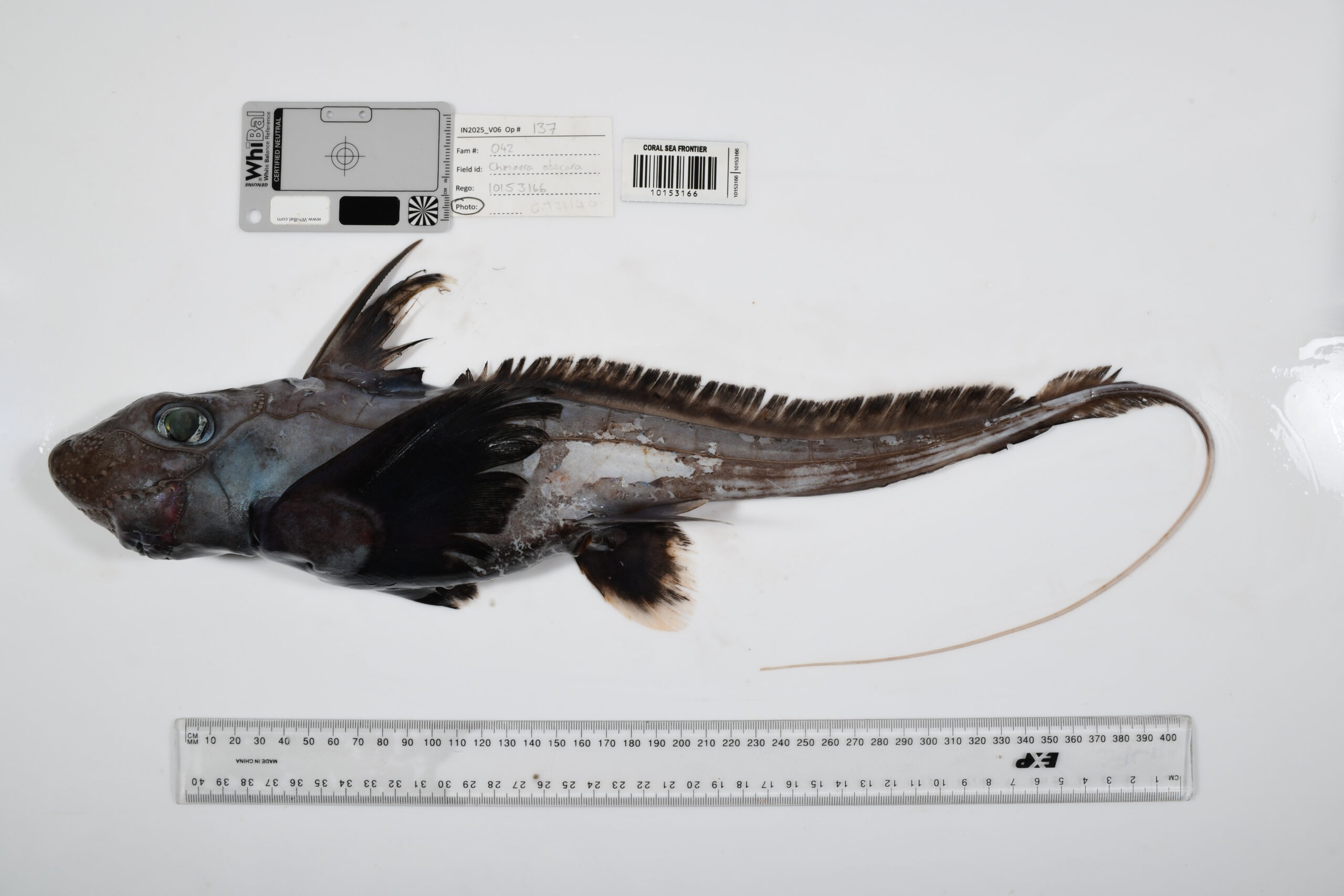
The Ocean Census initiative recently announced the documentation of 1,121 new marine species likely unknown to science, representing a 54% increase in the annual rate of marine species identification. This impressive figure results not from a single expedition, but from 13 expeditions, 9 specialist workshops, targeted grants, and collaboration among 1,433 scientists across 85 countries. A key element in their strategies involves classifying species as “discovered” based on preliminary assessments before formal naming and description, enabling a more fluid recognition of new species.
Collection and Discovery Process:
The initiatives ran from April 2025 to March 2026, capturing specimens from various environments—deep oceans to coastal caves. Discovery workshops and grants facilitated the identification process, contributing approximately 728 previously unknown species from recent expeditions and historical collections.
Challenges in Taxonomy:
Identifying a new species entails extensive research, including morphological examination, genetic sequencing, and comparisons with existing specimens. It often takes an average of 13.5 years to move from discovery to formal description, emphasizing the need for infrastructure that speeds up this pathway.
Geographic Range of Findings:
Species discovery spanned various depths, debunking the notion that unknown species only reside in the deep sea. The initiative reported discoveries from 6,575 meters deep to just a few meters in coastal waters.
Impact of the Findings:
While the 54% increase refers to the pace of discovery rather than a literal increase in total marine biodiversity, it underlines the importance of collaborative efforts in taxonomy and species recognition. It indicates that significant findings can emerge not just from exploration but by leveraging existing biological collections.
Ongoing Challenges:
The discrepancies in estimates of unknown species suggest that as much as 90% of marine life remains undescribed. Improving taxonomic capacity and accessibility to specimens becomes crucial for future research and conservation efforts.
In sum, the Ocean Census project reflects a systematic approach to marine species discovery, highlighting the importance of both exploration and compiling existing biological data to illuminate the vast diversity of life in our oceans.