In the ongoing conflict in Iran, new developments prompt critical assessments of the current situation. While we are just shy of the five-month mark, the media’s repetitive framing—such as “tit for tat” strikes—overshadows the true gravity of the escalation and the repercussions for the U.S.
Recent discussions have highlighted the limitations of expert analyses, as many commentators remain entrenched in their specific viewpoints. Consequently, they often fail to grasp how pressures in one area can ripple across the entire conflict. The UK’s defeat during the Suez Crisis of 1956 serves as a historical example of this phenomenon; the British military’s setbacks were compounded by a financial crisis that required U.S. intervention, ultimately forcing them to withdraw.
Today, we assert that the U.S. is swiftly losing militarily to Iran. Some analysts still struggle to accept that Iran could outmaneuver the U.S. in West Asia. While early war assessments suggested that Iran’s strategy was merely to endure until the U.S. disengaged due to costs, it is clear that the stakes have escalated significantly. Many credible experts argue that Iran seeks not just to survive, but aims for a cohesive strategy that inflicts substantial defeats on both the U.S. and Israel, discouraging them from future military actions.
A macro view reveals that the U.S. has drastically scaled back its original war aims to simply reopening the Strait of Hormuz, a far cry from its initial objectives. Analysts familiar with the situation doubt the U.S. will even achieve this limited goal. Instead, Iran effectively pushes the U.S. forces from their bases in the Gulf region to more defensible locations like Jordan, subjecting them to intensified attacks.
Iran is dismantling the various defenses the U.S. established in the Persian Gulf and Jordan to shield Israel from Iranian missile and drone strikes. Iran awaits an opportunity for retaliation amidst the growing turmoil within Israel. https://t.co/vzTagGcUCd
— Seyed Mohammad Marandi (@s_m_marandi) July 21, 2026
Additionally, Iran has made it clear it is poised to escalate its operations into Europe if the U.S. attempts to conduct military actions from a distance.
The U.S. military’s capacities are not only inadequate but are increasingly deteriorating. Research by Professor Robert Pape emphasizes that air strikes alone do not secure victories; ground forces are essential. John Mearsheimer, in a conversation with Chris Hedges, underscores how the U.S. military’s 50,000 troops in the region represent only about 8,000 capable combat personnel—a mere fraction when faced with Iran’s population of 93 million and its formidable military capabilities. Daniel Davis has articulated the impracticality of a ground invasion, positing that it would require over 2 million troops with uncertain success odds, contrasting starkly with the U.S. military’s global active-duty strength of around 460,000.
Even in the air war context, the U.S. is faltering. Supplies of precision weapons are dwindling, and the outlook for replenishing these stocks remains grim, especially given potential disruptions in sourcing materials from China. U.S. reluctance to risk aircraft in engagements further constrains its tactical options. In contrast, Iran boasts substantial stockpiles of missiles and drones, reportedly increasing their inventory during the conflict while initially deploying older weaponry to challenge U.S. defenses economically.
Skeptics may find insight in a fresh discussion featuring Murtaza Hussain:
Hussain references a reflective piece penned by a U.S. officer post-Qasem Soleimani’s assassination. This officer noted that following the assassination, Iran’s targeted ballistic missile attacks confirmed that U.S. bases across the region were vulnerable, undermining the strategic premise for U.S. presence there altogether.
Scott Ritter has similarly pointed out how Iran’s attacks on Israel demonstrate its capabilities, further emphasizing that the U.S. appeared oblivious to these implications.
What should alarm observers is that the facts indicating the U.S. struggle are less disputed than the broader conclusions regarding its strategic positioning. For instance, Andreas Kreig, while discussing the military developments in a talk with Brandon Weichert, highlights the alarming precision of Iranian strikes on U.S. bases across a vast operational front.
Reports suggest that the precision of Iranian attacks, utilizing locally sourced drones and missiles, has significantly disrupted U.S. reconnaissance capabilities in the region. Despite U.S. attempts to attribute Iranian advancements to foreign assistance, it is evident that Iran has made substantial strides in military effectiveness independently.
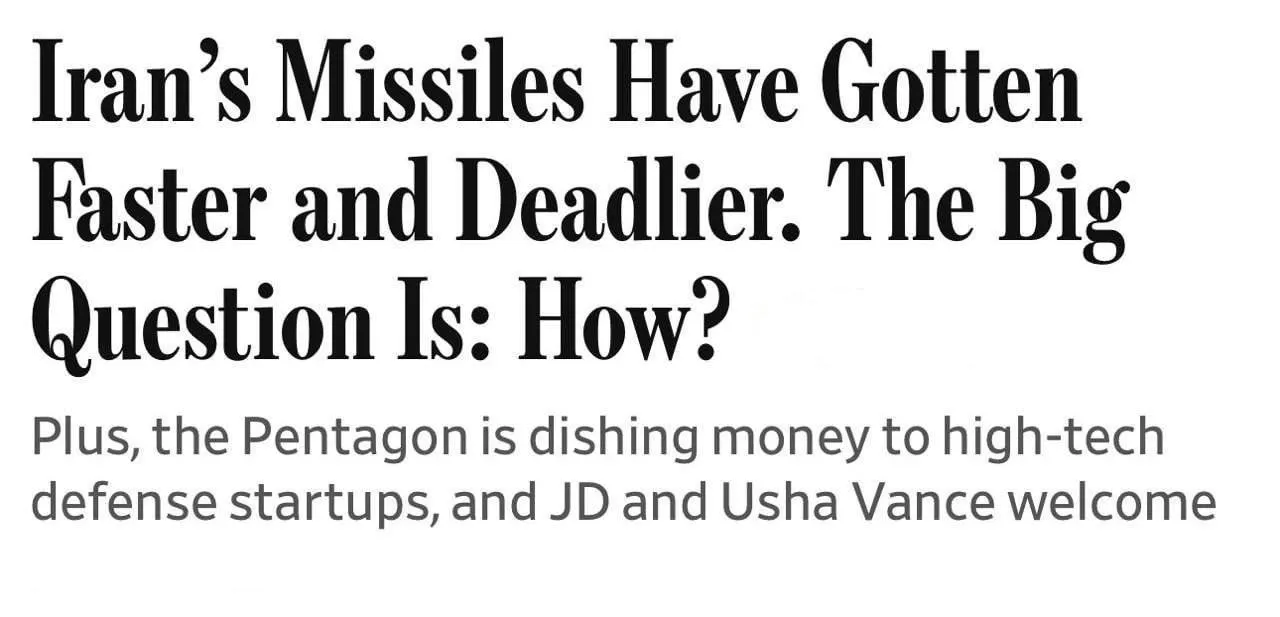
Recent articles highlight the consistent decline of U.S. operational effectiveness, raising questions about how, amidst supposed “unprecedented” attacks, Iran continues to enhance its military capabilities.
The media reports indicate an escalation of hostilities, with the U.S. negotiating a ceasefire which is unlikely to succeed amidst ongoing military campaigns. Speculation rises around potential future military strategies based on Trump’s rhetoric about planned attacks on Iranian nuclear infrastructure.
The increasing instability is reflected in predictions that the conflict could escalate even further if economic pressures rise, galvanizing a compelled reaction from the U.S. military. Analysts remain bewildered as the possibility of negotiations fades, undermined by the ongoing exchange of fire and aggressive posturing from both sides.
Iranian officials have initiated broad preparations for a significant offensive, which they may launch depending on triggers, such as U.S. ground attacks. The reality of a long, drawn-out conflict looms larger, with ongoing assessments recommending heightened awareness of the shifting dynamics.
To conclude, the situation in Iran remains complex and fluid, with the potential for rapid escalation. As the conflict unfolds, future military actions and their consequences will require close attention and analysis.