Hello everyone,
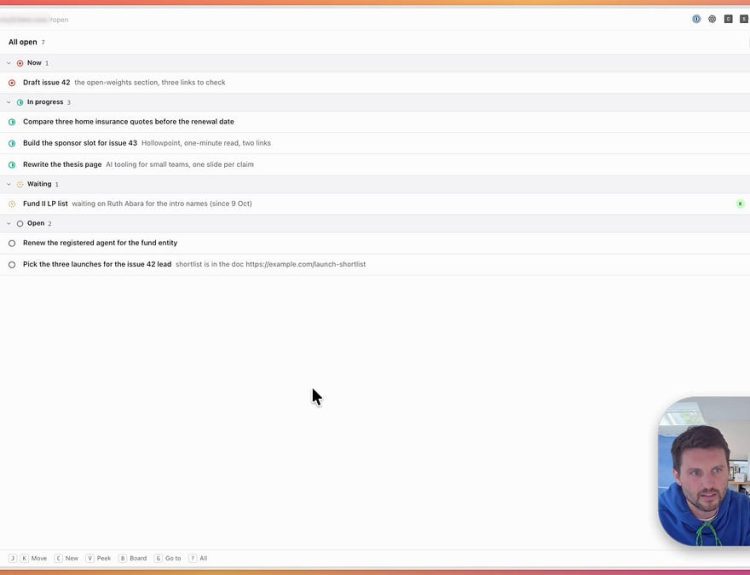
OpenAI has just rolled out the GPT-5.6 models for public access, accompanied by numerous updates. The ChatGPT macOS app has now been combined with the Codex app, introducing a fresh mode named ChatGPT Work. You can update your Codex app to get the unified version. While Codex and Work share a similar interface, they are optimized for coding-related and non-coding activities, respectively. There’s a new plugin titled “ChatGPT Sites” that enables users to create hosted websites, featuring an optional “Login with ChatGPT” option. Although it facilitates sharing, the constant interaction with my queries on ChatGPT Sites became bothersome, so I decided to disable it.
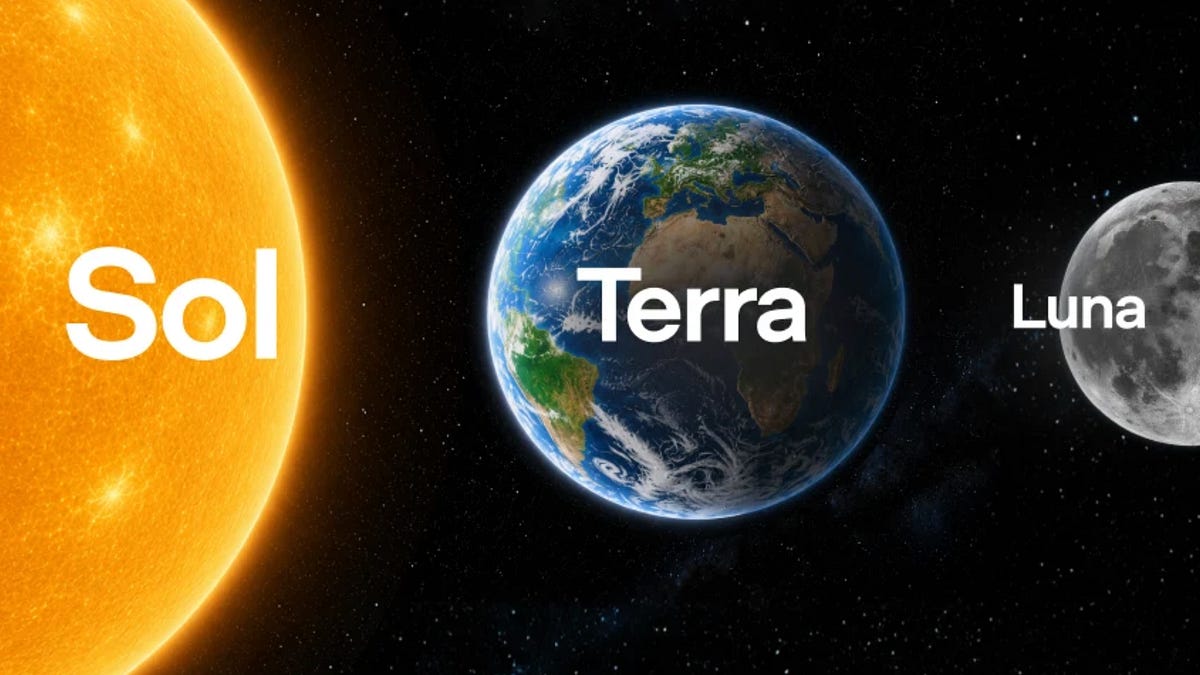
The GPT-5.6 series consists of three models: Luna, Terra, and Sol. Each has five levels of processing—light, medium, high, xhigh, and max—along with an additional mode called Ultra mode, which allows the models to operate with subagents, effectively enhancing their capabilities.
However, please be aware that utilizing these models at higher thinking levels can significantly deplete your usage limits. Just recently, I found myself nearly out of usage in Codex after trying Ultra mode for the first time. For most creative and building tasks, I now default to Sol medium, while for more complex tasks, I utilize background agents, and for daily productivity, I prefer Luna at xhigh.
Here are some general observations I’ve made:
-
Sol excels at UI design, particularly when provided with reference materials. At the max level, its writing abilities are impressive, making conversations enjoyable.
-
Terra appears to serve as a slightly improved version of 5.5, showcasing minor advancements in UI and writing skills. It also feels more responsive to user input, which can be beneficial.
-
Luna has some limitations; occasionally, it struggles to interpret ambiguous prompts, but it performs well on clearly defined tasks.
Over the weekend, OpenAI encountered multiple resets—4 to 5 times—while addressing bugs that arose during the app’s merger. They have temporarily lifted the 5-hour usage limit, so be mindful; you may consume your weekly allowance quickly.
These models within the Codex app prove highly effective for computer use, such as autonomously guiding your cursor to open applications, click buttons, and interact with them visually. I recommend testing this feature with Sol at medium or high settings for smaller tasks to see its capabilities in action.
For those interested in further reading:
Ben’s Bites is brought to you by Voices
Are you building or training voice models? Stop scraping. Voices offers professionally directed, fully consented voice data, including over 100,000 hours of custom, premium recordings across character performances, 43 emotional states, and 8 languages. Request a sample today.
-
Anthropic has once again extended Fable 5 for paid plans and raised Claude Code’s weekly limits by 50% through July 19. This situation seems almost humorous.
-
Claude Code has gained an in-app browser—allowing it to view and interact with documents, designs, or applications. Claude Code Artifacts now supports public links and collaborative editing, including pages created via Claude Tag in Slack.
-
Meta has launched Muse Spark 1.1—a multimodal model aimed at coding, computer usage, and agent tasks, featuring a 1M token context window. Additionally, Meta is beginning to offer its models through API, with Muse Spark 1.1 available at a relatively affordable price compared to its competitors.
-
Apple has initiated a lawsuit against OpenAI along with two former employees concerning alleged trade secret theft related to its upcoming AI hardware. Apple claims that applicants were advised to disclose confidential information and bring physical parts to interviews; OpenAI asserts its disinterest in others’ trade secrets and is reviewing the case.
-
Notion’s Ship OS enables streamlined product development, integrating customer feedback all the way through to merged PRs in a single workspace. Agents help triage, route, and summarize work while human reviewers make the final decisions, utilizing Notion’s existing documentation and databases.

Barr Yaron@barrnanas
1/ Last week at @aiDotEngineer, I presented the 2026 AI Engineering Survey: 1,000+ AI engineers on model selection, build vs. buy, who’s shipping with AI, and (of course) whether GPUs are going to space.
This year, we ran it with @NotionHQ and @vercel. Some highlights 🧵
6:31 PM · Jul 8, 2026 · 30.4K Views
13 Replies · 25 Reposts · 101 Likes

Dima Shvets@dmitrshvets
I’m excited to share a significant milestone from Mirai Labs.
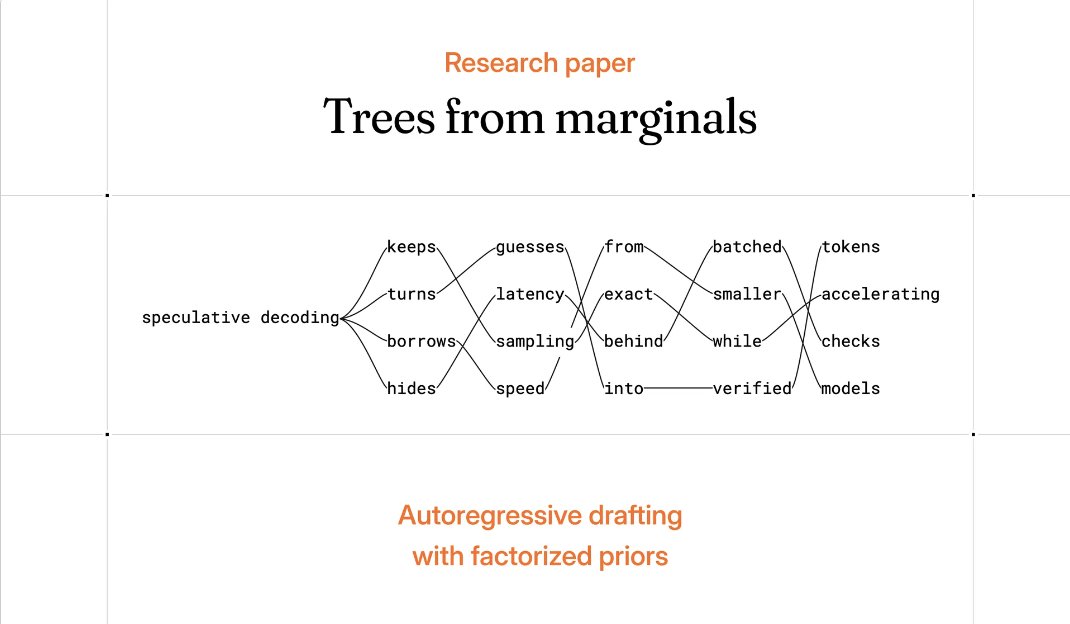
We’ve just published groundbreaking research on advanced speculative decoding for LLM interactivity.
Local LLM inference operates at a batch size of 1, requiring speculative decoding to adapt to larger draft budgets.
3:58 PM · Jul 9, 2026 · 4.85K Views
3 Replies · 6 Reposts · 24 Likes

jack@jack
I’ve transitioned from instructing agents on what to do to inquiring about their optimal actions and pursuing the most rewarding paths.
3:34 PM · Jul 10, 2026 · 1.47M Views
1.1K Replies · 1.2K Reposts · 19K Likes

RyanLee@RyanLeeMiniMax
I’m thrilled to announce that MiniMax has successfully secured a new $2B funding round. 🚀
Alongside this achievement, our CEO, IO, has shared three long-term commitments with the team:
• No salary payments until we reach AGI.
• Over the next four years, he will allocate shares equivalent to 4% of his stake to the company.
1:42 AM · Jul 10, 2026 · 882K Views
228 Replies · 234 Reposts · 3.43K Likes
* sponsors who make this newsletter possible 🙂
Interested in partnering with us for the next quarter?
Email us at shanice@bensbites.com or k@bensbites.com