Introduction
Recent developments in the ongoing conflict involving Iran have escalated rapidly, signaling a potential return to open warfare. This post aims to shed light on the latest events and provide a foundational understanding of the current situation. Readers are encouraged to share their insights and additional details in the comments section.
Today’s article presents a preliminary overview as initial reports about what seems to be a renewal of hostilities may lack depth or accuracy. By 8:00 PM EDT, I will update this post with further information and clarifications.
The Escalation of Tensions
In essence, former President Trump issued an ultimatum to Iran, which was anticipated to be dismissed outright. The demand included not only relinquishing control of the Strait of Hormuz but also extending an apology for prior assaults on vessels near Oman. Instead of an official response, Iran opted to close the Strait of Hormuz and reportedly launched a cruise missile at a Cypriot-flagged vessel, following a warning. The U.S. demonstrated its readiness for military action and reacted swiftly, with initial assessments indicating that the retaliatory strikes were markedly more intense than any activity seen during the previous ceasefire, indicating a potential re-ignition of conflict.
According to analysts like Brandon Weichert, the nature of these attacks suggests preparations for more extensive ground operations. The participation of Kuwait and Bahrain in the offensive underscores their opposition to Iran’s control over the vital waterway, highlighting their readiness to face potential repercussions. There were also initial reports of Iranian strikes against Kuwait, Bahrain, and Jordan, while Iran acknowledged targeting Qatar and Oman. This move appears to be a direct response to Oman’s allowance of transit within its territorial waters. Notably, a recent proposal from Qatar regarding the Strait of Hormuz was swiftly rejected by Iran.
Pretext for Escalation
The rapid U.S. response has raised eyebrows, particularly a minute following reports of Iranian actions. Analyst Mario Nawfal noted this swift retaliation as a signal that the U.S. may be preparing for larger military engagements.
Key insights from a machine-generated transcript reveal a consensus among experts regarding the gravity of the situation:
Mario Nawfal: I’m astonished by the speed of the U.S. retaliation; it was almost instantaneous…
Brandon Weichert: This rapid response suggests the U.S. is prepared for a significant escalation. We’ve moved past a slow, measured approach to conflict…
It’s clear that this situation is likely to become increasingly dire, especially with Trump determined to never allow Iranian control over the Strait.
Further Military Developments
Following the initial strikes, analysts confirm that the recent U.S. attacks represent one of the most significant escalations since the memorandum of understanding (MOU) was established:
It is evident that this represents a major escalation since the MOU began, with the U.S. executing over 140 airstrikes against Iran…
— AMK Mapping 🇳🇿 (@AMK_Mapping_) July 12, 2026
According to PressTV, in response to the ongoing U.S. actions, Iran’s military has launched coordinated strikes against American facilities in regional allies such as Jordan, Kuwait, and Bahrain, and has issued stern warnings of further retaliation should U.S. strikes continue.
The IRGC emphasized that any continued aggression from the U.S. would be met with severe consequences, highlighting the seriousness of the current military engagement.
The Current State of Affairs
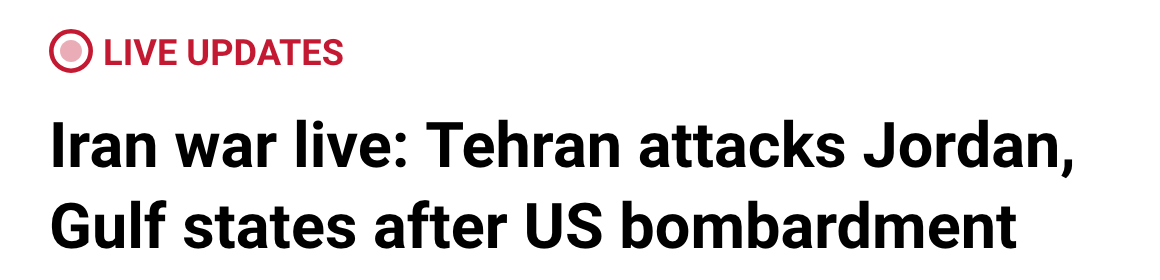
As tensions rise, Middle East Eye provides a live update detailing the ongoing situation:
- A missile strike from Iran targeted a Cyprus-flagged container ship, which sparked U.S. retaliation.
- Iranian officials are urging the U.S. to abide by previously made agreements.
- Reports of civilian injuries have emerged due to debris from interceptions.
- U.S. Central Command has confirmed strikes on Iranian military capabilities.
Indeed, a sense of urgency permeates the latest reports, as more cities in Iran, particularly Bushehr, fell under fire from U.S. forces just this week.
Bloomberg’s reports primarily focus on U.S. actions, while news from BBC echoes similar sentiments, often sidelining Iran’s counterstrikes.
Future Implications
The brewing hostilities in the Strait of Hormuz suggest a complex and precarious situation that leaves many questions unanswered. Major developments continue to unfold, and the trajectory of the conflict remains uncertain.
Conclusion
The current situation serves as a stark reminder of the volatility in international relations and the profound implications of military engagements. As events continue to unfold, vigilance and awareness will remain crucial for all stakeholders involved in this tense geopolitical landscape.