Upcoming Developments in the Iran Conflict: A Complex Situation
The ongoing conflict in Iran has evolved into an increasingly complex and volatile situation. This article aims to analyze recent developments and predict potential directions the conflict may take. While the outlook suggests challenges for many, it benefits arms manufacturers and energy companies, particularly those in Russia. As previously indicated, this conflict appears to serve as a severe test for strategic dominance in the region.
With the presence of nuclear weapons in the equation, the United States continues to express its unwillingness to accept Iran’s control over crucial waterways like the Strait of Hormuz. President Trump seems to believe that escalating punitive measures is the answer, leading to intensified military actions following a recent uptick in hostilities.
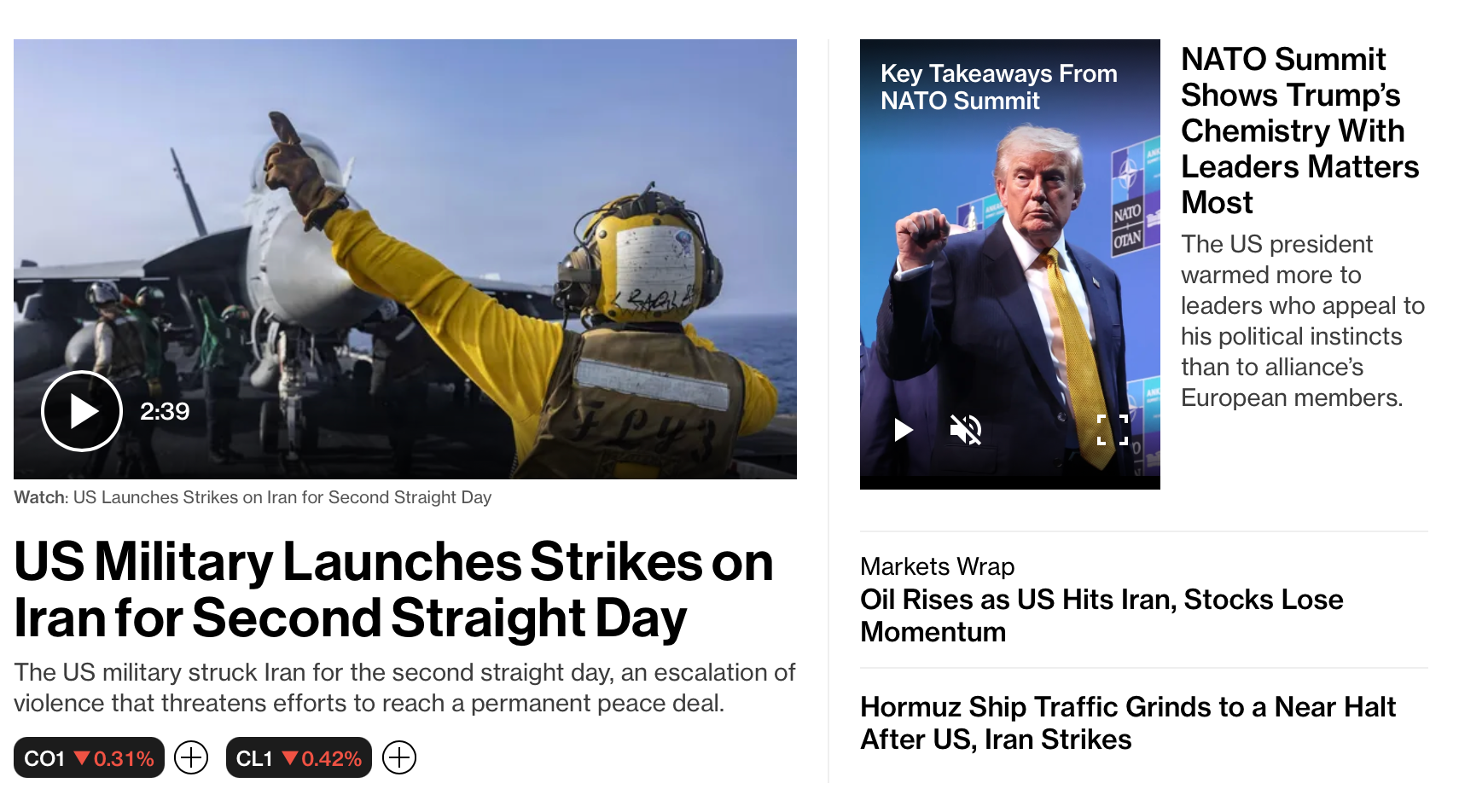
In the past 24 hours, the U.S. has enacted its threats by deploying more severe strikes in retaliation for the latest exchanges across the region. While Iran has retaliated, it has yet to act on its threats to close the Strait of Hormuz. Nevertheless, maritime activities have significantly declined due to the recent exchanges, indicating that Iran may be strategically waiting before taking any formal actions.
In light of the heightened U.S. determination, Iran may also pursue non-military escalation tactics, such as enriching uranium to 90% and potentially leveraging groups like Ansar Allah to target shipping in the Bab el-Mandab strait. Although this might stop short of a complete closure, it could severely impact oil shipments in the region.
Prior to the latest attacks, Iran had issued clear warnings that any further bombing would compel them to close the Strait of Hormuz and suspend negotiations for a potential settlement. According to Press TV, Iran stated:
Iran has asserted its unwavering intent to maintain control over the Strait of Hormuz, firmly prepared to defend it if necessary. New military protocols have been adopted in light of recent tensions.
The revised strategy stipulates that if Iran is subjected to further aggression, it will respond with overwhelming force. If attacked, Iran intends to close the Strait to all maritime traffic and target enemy interests at a two-to-one ratio.
“Any new avenues for navigation will follow Iran’s arrangements, and no alternative routes will be permitted,” the source elaborated.
The U.S. military has extended its reach, conducting strikes not just near the Strait of Hormuz:
BREAKING: The latest U.S. strike wave has reportedly expanded beyond Iran’s coastal defenses, with new hits reported in Bushehr, Iranshahr, and Abu Musa Island.
In Bushehr, an IRGC barracks was reportedly hit and is now ablaze. The Bushehr Nuclear Power Plant is nearby, though… pic.twitter.com/VnN002bMQU
— The Hormuz Report (@HormuzReport) July 8, 2026
As per reports, recent U.S. actions have resulted in casualties, with at least 14 deaths and numerous injuries reported across Iranian provinces following U.S. airstrikes. This has prompted Iranian officials to make strong statements regarding retaliation, emphasizing their commitment to respond decisively against U.S. aggressions. Iranian Parliament Speaker Mohammad Baqer Ghalibaf criticized U.S. actions, indicating Tehran would not remain passive in the face of attacks.
As tensions persist, states like Bahrain and Kuwait have activated warning sirens in response to air threats, with higher security alert levels implemented in Qatar. A notable development is the suspension of the train line between Tehran and Mashhad, coinciding with the funeral of late Supreme Leader Ayatollah Ali Khamenei.
Earlier live updates from various news sources also indicate that Iran carried out drone strikes targeting U.S. military installations in Bahrain, Kuwait, and Qatar, using a variety of drones to deliver the attacks effectively.
Meanwhile, U.S. strikes have provoked Iran to retaliate against U.S. interests across the region. Reports indicate strikes included an American base in Jordan, with air defenses being activated across the region in response to incoming threats.
In an environment where military exchanges are becoming increasingly reciprocal, the broader implications of these escalating tensions raise concerns about the potential for wider conflict. Experts suggest that both nations are at risk of crossing lines that could lead to wars neither initially intended.
Moreover, predictions indicate that Iran is weighing various non-kinetic responses to the conflict, potentially revisiting its nuclear strategy as a means of deterrence. Given that military options appear limited for the U.S., both sides may soon face decisions that could significantly alter the balance of power in the region.
The current state of affairs indicates that the U.S. seems to underestimate Iran’s capacity to maintain control over the Strait of Hormuz despite ongoing military efforts. Experts caution that these misguided perceptions could lead to escalating violence that impacts not only the players involved but the global economy as a whole.
In conclusion, as military actions intensify and regional tensions amplify, both Iran and the United States find themselves in a precarious position. With each side reacting to pressures, the risk of an extended conflict looms large, creating instability that could reverberate through the global economy and geopolitical landscape.

