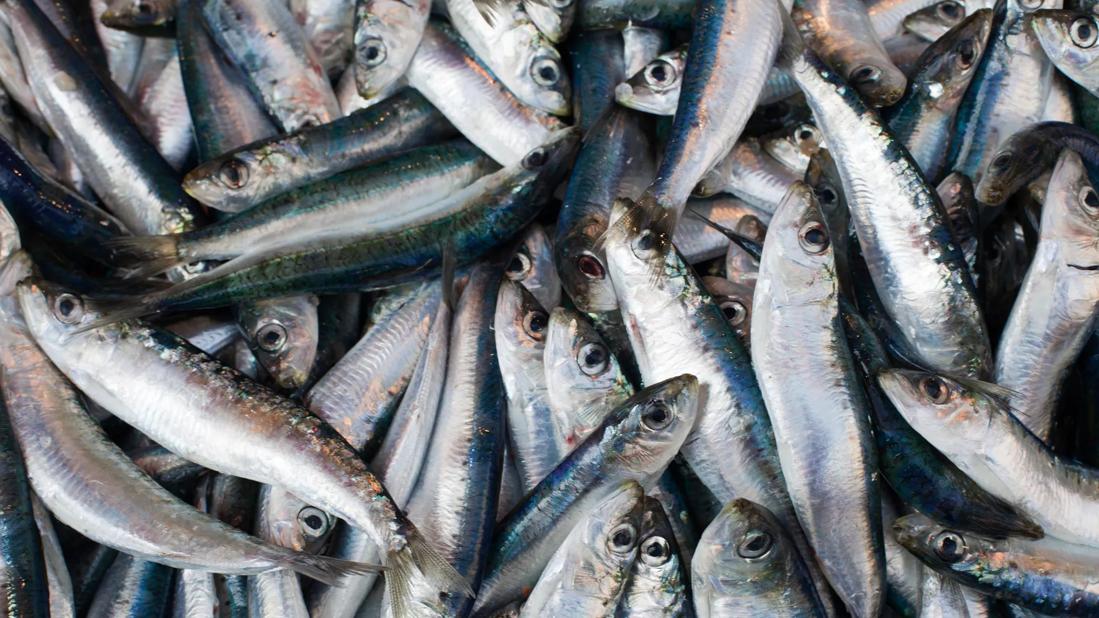
Sardines: Nutritional Powerhouses in a Can
Tinned fish are gaining popularity, particularly sardines, which pack a wealth of nutrients into a compact serving. Here’s a closer look at what makes these small fish so beneficial.
What are Sardines?
Sardines are small fish from the herring family, encompassing over 20 species. The term “sardines” typically refers to immature herring and can include Atlantic herring or sprat. While you can eat fresh sardines (cooked), most people opt for canned varieties preserved in:
- Oils
- Water or brine
- Sauces or marinades
Why are Sardines Healthy?
Sardines are considered nutrient-dense. According to the USDA, a 3.75-ounce can of sardines contains:
- 191 calories
- 10.5 grams of fat
- 22.6 grams of protein
- 351 mg of calcium
- 451 mg of phosphorus
- 48.5 mcg of selenium
- 8.2 mcg of vitamin B-12
- 4.4 mcg of vitamin D
They are low in calories and mercury, making them an excellent choice for a healthy diet.
4 Health Benefits of Sardines
-
Muscle Building and Tissue Repair: Sardines are high in protein, essential for muscle maintenance and tissue repair.
-
Heart Health: Rich in omega-3 fatty acids, sardines can help lower triglyceride levels and decrease inflammation in blood vessels.
-
Brain Health: Omega-3s also support cognitive function, potentially reducing the risk of dementia and Alzheimer’s disease. Sardines are a good source of vitamin B-12, which plays a role in mood regulation.
-
Bone Strength: With high levels of calcium, phosphorus, and vitamin D, sardines contribute to bone health, which may help prevent osteoporosis.
Considerations
While sardines are generally healthy, moderation is key. Canned varieties can be high in sodium, which can be an issue for individuals with high blood pressure. Always check nutrition labels and be mindful of the total sodium intake across the day.
Safety Notes
While sardines are safe for most, be aware of:
- Purines: High in purines, sardines may not be suitable for those on low-purine diets due to conditions like gout.
- Amnesic Shellfish Poisoning (ASP): Rarely, sardines may contain toxins. Purchase from reputable sources to mitigate this risk.
- Allergic Reactions: If you’re allergic to fish, be cautious.
In summary, sardines are a nutrient-rich option that can be a healthy addition to your diet, provided they align with your dietary needs.