This article discusses the pitfalls of using AI-generated imagery and design in the kosher food industry, emphasizing that while AI tools can streamline certain tasks, they often lead to generic and unoriginal marketing material. The author highlights several key points:
-
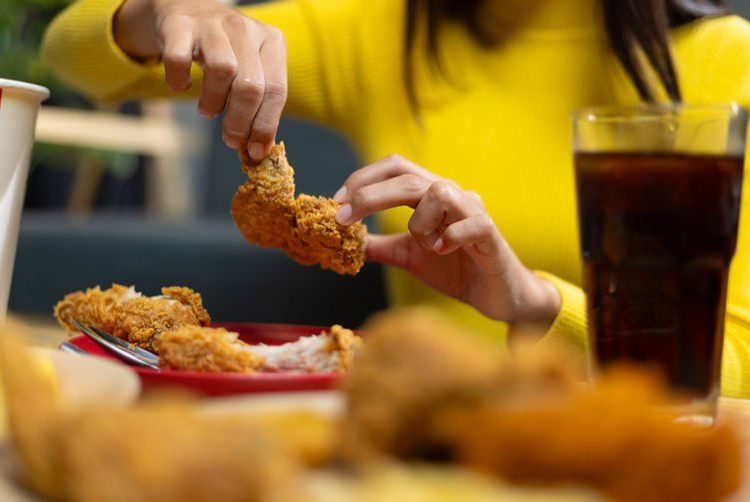
Visual Authenticity: Real food and associated visuals are crucial for trust in food businesses, especially for those like Pesach programs where families invest significant amounts of money.
-
Lack of Personal Touch: AI-generated content often fails to convey the unique personality and story behind each business, leading to a homogenized market.
-
Quality vs. Cost: While AI design tools can save time and money, they may lead to more extensive revisions and a lack of brand identity. The upfront savings don’t compensate for the long-term loss of authenticity.
-
Brand Reputation: Consumers are increasingly wary of AI-generated materials, which can harm a brand’s reputation. Trust is vital for attracting customers, particularly in the context of high-stakes programs like Pesach.
-
Kosher-Specific Risks: AI tools may misrepresent kosher standards, leading to potential miscommunications and customer dissatisfaction.
-
The Importance of Real Photography: Authentic imagery—especially from past events—outperforms generically appealing AI visuals and helps build a loyal customer base.
In conclusion, the article advocates for investment in genuine creative work and authentic representation rather than relying on AI for marketing materials, which risk diluting brand identity and customer trust.