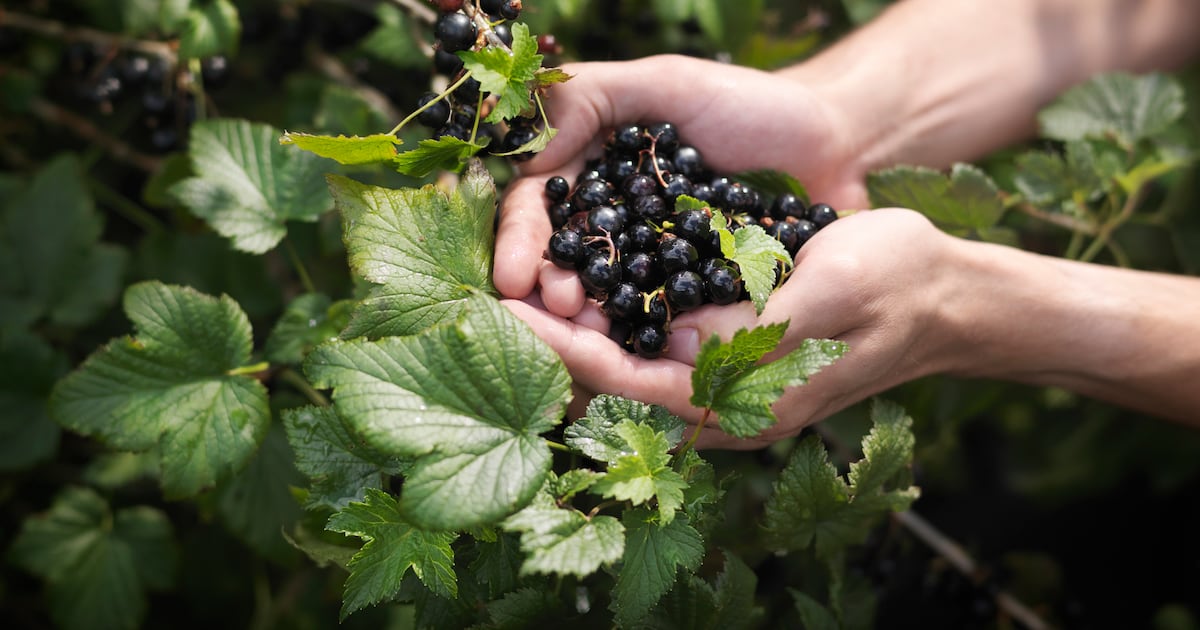
Researchers from Iran and the U.S. conducted a study with 20 participants to evaluate the effects of low and high doses of New Zealand blackcurrant (NZBC) on resistance exercise performance, anaerobic capacity, and cognitive function compared to a placebo and control. The study concluded that short-term NZBC supplementation resulted in improvements in certain resistance exercise and cognitive outcomes.
Key Findings:
- Anthocyanins: NZBC contains anthocyanins, which may enhance exercise performance by improving nitric oxide availability and reducing oxidative stress.
- Mixed Results: Previous studies showed inconsistent effects on various exercise types, particularly regarding cycling and strength training.
- Experimental Design: The study used a randomized, double-blind, placebo-controlled crossover design. Participants underwent four conditions: no supplement, placebo, low-dose (250 mg), and high-dose (600 mg) NZBC, with a washout period between them.
- Performance Improvements:
- Both dosages improved bench press and leg press strength compared to placebo.
- Low doses yielded the largest improvements in lifting volume, while high doses also benefited muscle power output.
- Enhanced vascular function may contribute to better endurance and fatigue resistance during workouts.
- Cognitive Benefits: NZBC improved cognitive performance as measured by quicker results in the Stroop test, likely due to increased blood flow to the brain.
- Cycling Performance: No enhancement in cycling sprint performance was observed, indicating that NZBC does not universally improve all high-intensity exercise forms.
- Placebo Effects: Some placebo-related improvements were noted, especially in lower-body strength.
Conclusion:
The study supports the potential ergogenic and cognitive benefits of NZBC in resistance-trained individuals, although it does not enhance all types of high-intensity performance. Further research with larger samples is recommended for validation.
Journal Reference: Nutrients, doi: 10.3390/nu18121929 by Koozehchian, M. S. et al.