The Rising Concerns Over Tianeptine: “Gas Station Heroin”
By Mia Stephens
Tianeptine, often referred to as “gas station heroin,” is increasingly concerning health authorities in the United States. Marketed as a dietary and brain supplement, its unregulated use has led to serious medical issues since 2016, prompting alerts from the U.S. Food and Drug Administration (FDA) and poison control centers.
Dr. John Downs, director of the Virginia Poison Center at VCU Health, noted a significant uptick in calls related to tianeptine in 2024, with nearly a third of reported cases requiring intensive care due to tianeptine toxicity or withdrawal symptoms.
Lack of Regulation and Bans
Despite its availability in gas stations and online stores, tianeptine is not FDA-approved for any medical use and has been associated with dangerous side effects akin to opioid substances. In 2025, Virginia categorized tianeptine as a Schedule I drug, with ten other states implementing similar bans.
Understanding Tianeptine
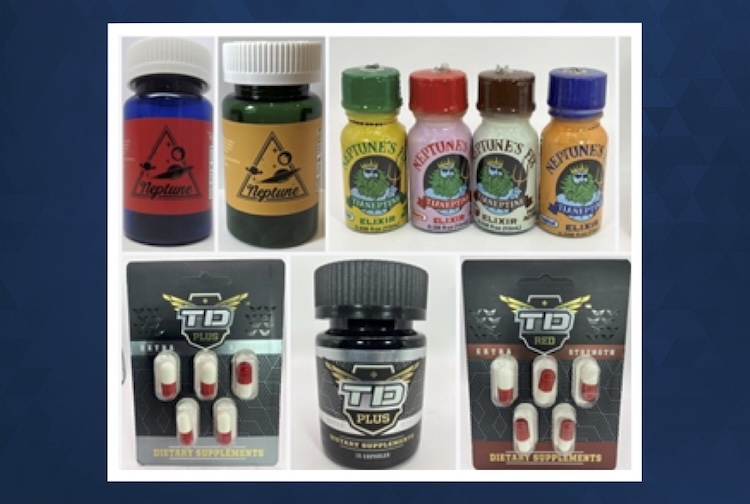
Often found under brand names like Tianaa and Zaza, tianeptine is misleadingly marketed as a safe dietary supplement. While it may be prescribed in lower doses outside the U.S. for anxiety and depression, recreational doses can soar to 3,000 mg, which can lead to euphoric experiences due to increased serotonin uptake.
Health Risks
The misuse of tianeptine may lead to severe side effects, including:
- Sedation
- Respiratory depression
- Coma
- Confusion or agitation
- Irregular heart rates
- Seizures
Users might also face withdrawal symptoms reminiscent of opioid addiction upon cessation.
When to Seek Help
Immediate medical attention is crucial if someone shows troubling symptoms such as confusion, breathing difficulties, or chest pain post-tianeptine usage. The Virginia Poison Center can provide confidential assistance at 1-(800)-222-1222, available 24/7.
Recovery and Emergency Treatments
Recovery outcomes vary based on the amount consumed and whether other substances were involved. Severe cases might necessitate hospital care and specialized addiction treatment.
In instances of overdose, naloxone (Narcan®) can be used as a life-saving intervention, especially for individuals experiencing respiratory distress.
Caution Against Similar Products
The Virginia Poison Center advises against using unregulated mood boosters or brain enhancers sold outside licensed pharmacies, emphasizing the risks associated with unclear ingredients and effects.
For more expert advice and information, visit the Virginia Poison Center or call 1-(800)-222-1222.