The investigation into protein products has revealed significant concerns regarding lead contamination across many popular protein supplements. Here’s a summarized overview of the findings and recommendations:
Key Findings
- Lead Levels: Around 70% of tested protein products exceeded the daily “level of concern” for lead, with some showing over tenfold that level.
- Toxic Metals: Some products also exceeded safety levels for cadmium and inorganic arsenic, known carcinogens.
- Contamination Variance:
- Plant-based proteins showed the highest contamination levels, with notable excesses.
- Dairy-based products, while generally lower in lead, still had some exceeding safety thresholds.
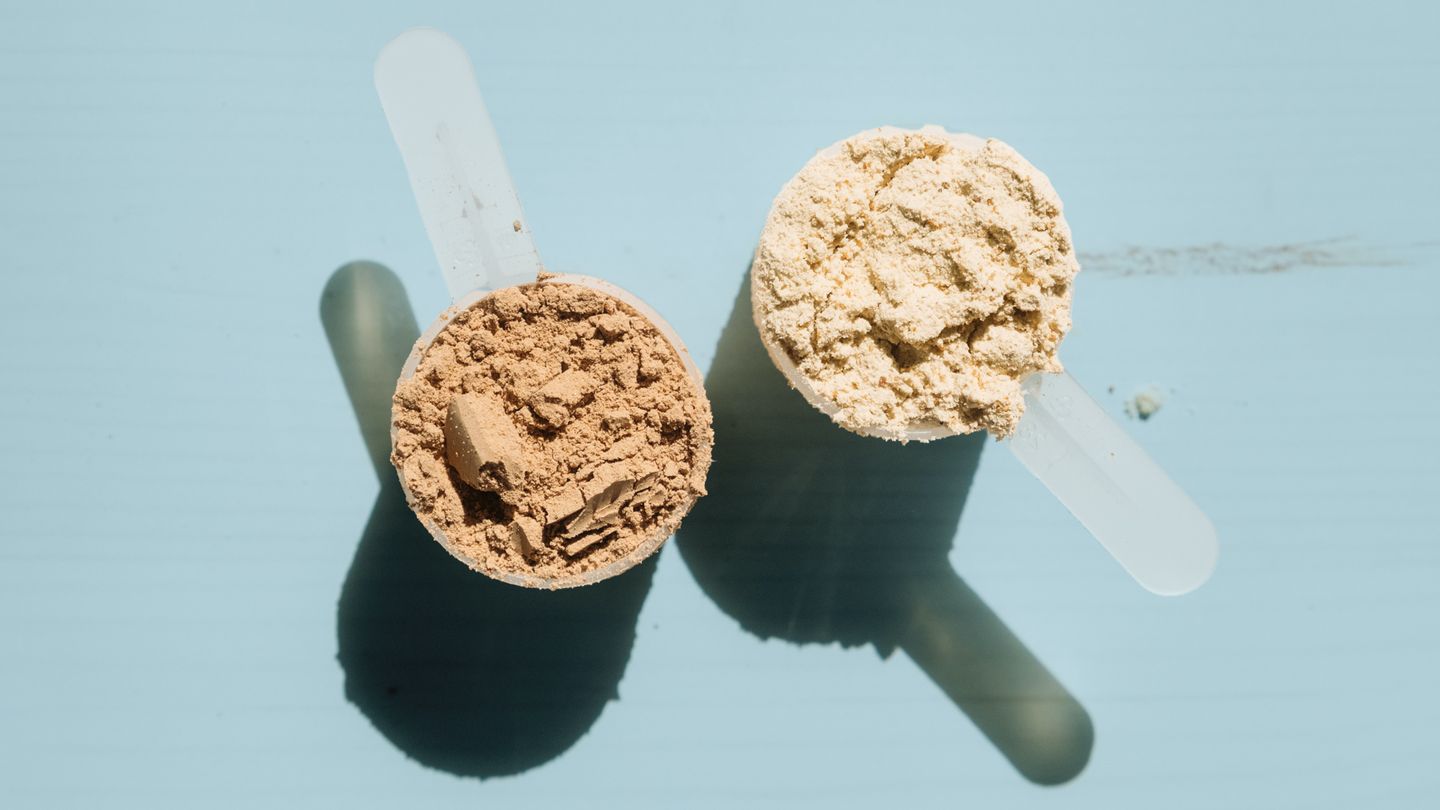
- Flavor Impact: Chocolate-flavored protein powders tended to have the highest lead levels compared to vanilla-flavored ones.
Health Risks
- Long-term Exposure: Chronic use of contaminated protein powders may lead to accumulation of heavy metals, posing long-term health risks, including kidney dysfunction and cognitive decline.
- Vulnerable Groups: Children are particularly at risk, as many are increasingly using protein supplements.
Consumer Recommendations
- Avoid High-Risk Products: Products like Naked Nutrition Vegan Mass Gainer and Huel Black Edition should be completely avoided.
- Limit Use: Other products should be limited to once a week (e.g., Garden of Life Sport Organic Plant-Based Protein).
- Occasional Use: Some products (like Quest Protein Shake) can be used occasionally.
- Prefer Safer Options: Brands with lower lead levels, such as Optimum Nutrition’s Gold Standard Whey, are recommended for more regular use.
Manufacturer Response
Supplement manufacturers highlight the nuanced nature of safety assessments for heavy metals in products. Appeals for more standardized testing methods are ongoing, emphasizing that detection alone doesn’t equate to risk.
Conclusion
While protein is vital for health, many individuals may already meet their needs through diet alone, and excessive reliance on protein powders may not be necessary. If using supplements, prioritize third-party tested, transparent products to mitigate risks associated with heavy metal contamination.