Key Takeaways
- Energy drinks can impact your heart, sleep, and mental health, particularly with regular use.
- Children, pregnant individuals, and those with heart conditions or anxiety should steer clear of energy drinks.
- Experts suggest focusing on quality sleep, hydration, balanced nutrition, and regular exercise rather than energy drinks.
- If you’re concerned about your heart or fatigue, specialists are available to assist you.
Energy drinks have surged in popularity as a quick alternative to coffee, but how safe are they for your heart?
Frequent or large intake may not be advisable, according to cardiac electrophysiologist Mehmet Aktas, MD, from the University of Rochester Medicine. Here’s what you need to know for making informed choices about your health.
What’s Actually in Energy Drinks?
While energy drinks offer a promise of a quick boost, knowing what’s inside them will help you make better decisions regarding your health.
Common ingredients include:
- Caffeine – Typically 80-300 mg per serving (equivalent to 1-3 cups of coffee)
- Sugar – Often contains 25-50 grams per can
- Taurine – An amino acid that may influence heart function
- Guarana – A plant extract that adds additional caffeine
- B vitamins – Included for energy metabolism
- Artificial stimulants – Ingredients that can enhance caffeine’s effects
Coffee vs. Energy Drinks: Which Is Healthier?
Coffee is usually the healthier option. It ultimately depends on the caffeine content, which varies by brand.
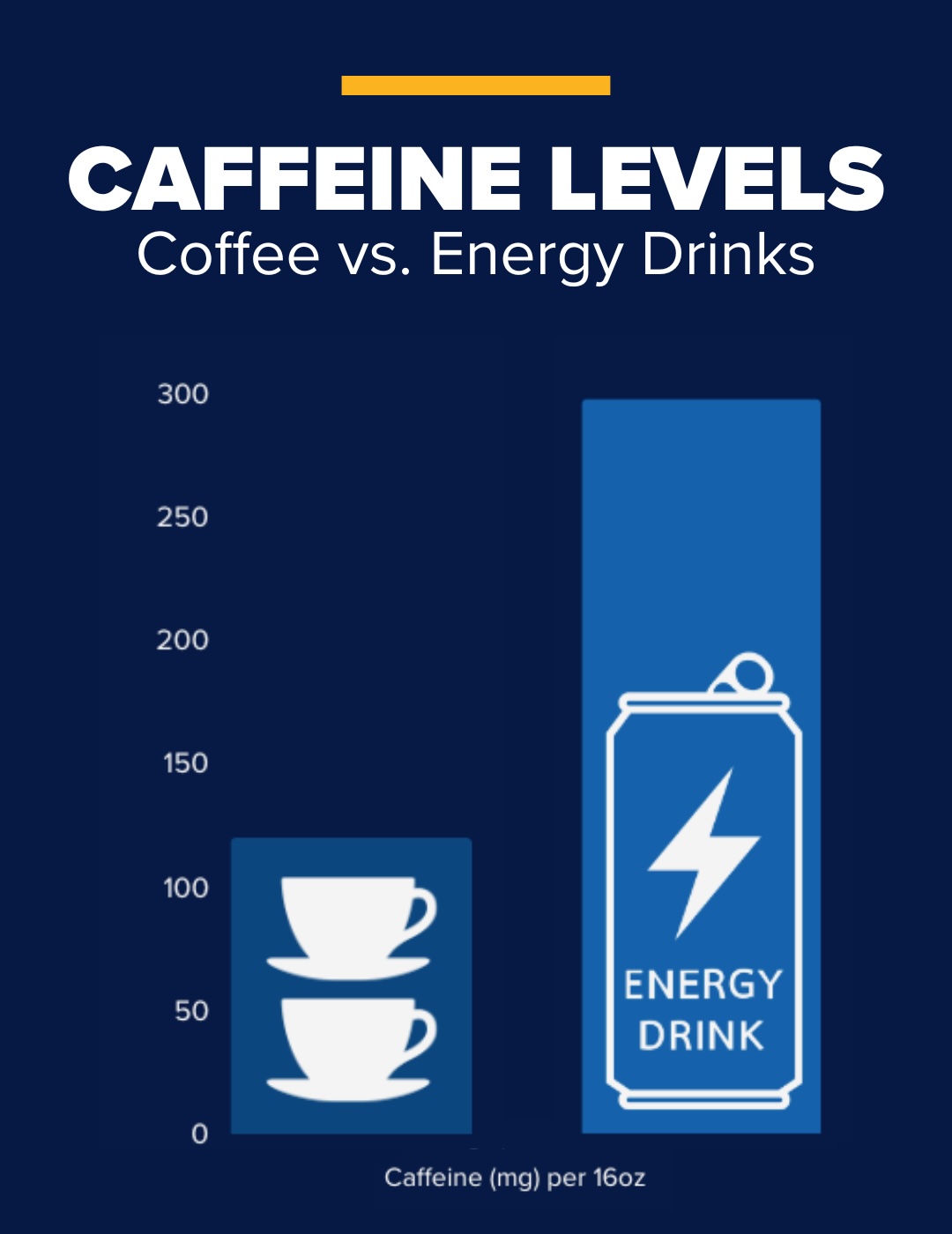
An eight-ounce cup of coffee generally contains about 80 mg of caffeine, while a similar size of energy drink can hold between 100-150 mg. Many energy drinks are packaged in larger 12-16 oz cans, leading to significantly higher caffeine consumption.
“If you’re seeking a small boost to wake up, coffee offers caffeine without the additives found in energy drinks,” says Aktas.
A smoothie with fruits and vegetables is also a great natural energy alternative. The added proteins offer lasting energy throughout the day without the sleep disruptions associated with caffeine.
Who Should Avoid Energy Drinks?
Experts strongly advise steering clear of energy drinks if you:
- Are pregnant or breastfeeding
- Have heart conditions or high blood pressure
- Take medications (especially for ADHD, depression, or heart conditions)
- Have anxiety disorders or sleep issues
- Are under 18 years of age
- Have diabetes or blood sugar concerns
- Are sensitive to caffeine
Even if you do not fall into these categories, moderation remains key.
Better Ways to Boost Your Energy
Instead of relying on energy drinks, here are some evidence-based strategies our experts recommend:
Prioritize quality sleep
- Aim for 7-9 hours each night
- Maintain a consistent sleep and wake schedule
- Create a calming bedtime routine
Stay hydrated
- Drink water regularly throughout the day
- Dehydration often mimics symptoms of fatigue
- Aim for about 8 glasses of water daily
Eat balanced meals
- Incorporate protein, healthy fats, and complex carbohydrates
- Avoid skipping meals
- Choose whole foods over processed options
Move your body
- Daily physical activity, even a brief 10-minute walk, can boost your natural energy
- Exercise enhances overall sleep quality
Manage stress
- Incorporate relaxation techniques
- Take regular breaks during work or study sessions
- Maintain connections with friends and family
Limit caffeine strategically
- Opt for coffee or tea
- Consume earlier in the day
- Know your limits (400 mg daily maximum for most adults)
How Do Energy Drinks Affect Your Health?
Heart Health Concerns
Energy drinks can considerably influence your cardiovascular health. The high caffeine content paired with other stimulants may lead to:
“Cardiac arrests in younger individuals are rare,” notes Aktas. “However, recent studies suggest that energy drinks might elevate this risk, particularly for those with a genetic predisposition to heart problems.”
A recent study involving cardiac arrest survivors who had genetic heart issues indicated that 5% had experienced a cardiac arrest following the consumption of an energy drink.
Aktas expects that future research will continue to illuminate the relationship between energy drinks and cardiac events.
Mental Health Effects
Beyond physical health, energy drinks may impact mental well-being:
- Increased anxiety and nervousness
- Mood swings and irritability
- Difficulty concentrating once the initial boost dissipates
- Potential for dependency
Sleep Disruption
The stimulants in energy drinks can disrupt your body’s natural sleep-wake cycle, leading to:
- Challenges in falling asleep
- Poor sleep quality
- Daytime fatigue
- Long-term sleep disorders
If you decide to consume energy drinks occasionally:
- Carefully read labels to understand what you’re consuming
- Limit to one serving per day and avoid mixing with alcohol
- Don’t use them as a sleep substitute
- Cease use immediately if you experience heart palpitations, chest pain, or severe anxiety
How We Can Help
As the premier academic health system in Upstate New York, we are committed to providing world-class care right in your community.
FAQ
Are energy drinks safe for everyone?
Energy drinks are not recommended for children, pregnant individuals, and those with certain health conditions.
What are the potential side effects of energy drinks?
Potential side effects can include increased heart rate, anxiety, and sleep disturbances.
How can I naturally boost my energy?
Prioritizing sleep, staying hydrated, eating balanced meals, and exercising can naturally enhance your energy levels.
What should I do if I experience adverse effects from energy drinks?
If you notice symptoms like heart palpitations or severe anxiety, discontinue use and consult a healthcare professional.
Is coffee a better alternative to energy drinks?
Generally, coffee is seen as a healthier option due to its simpler ingredients and lower risk of side effects.