Related video above: Federal lawmakers debated the merits of these SNAP restrictions in 2024
(NEXSTAR) – A growing number of states are taking steps to prohibit SNAP recipients from using their benefits to purchase sugary beverages and snacks. This movement aims to promote healthier eating habits among low-income families.
Recently, four additional states received waivers from the U.S. Department of Agriculture’s Food and Nutrition Services, enabling them to impose restrictions on the purchase of sugary drinks and snacks with SNAP funds.
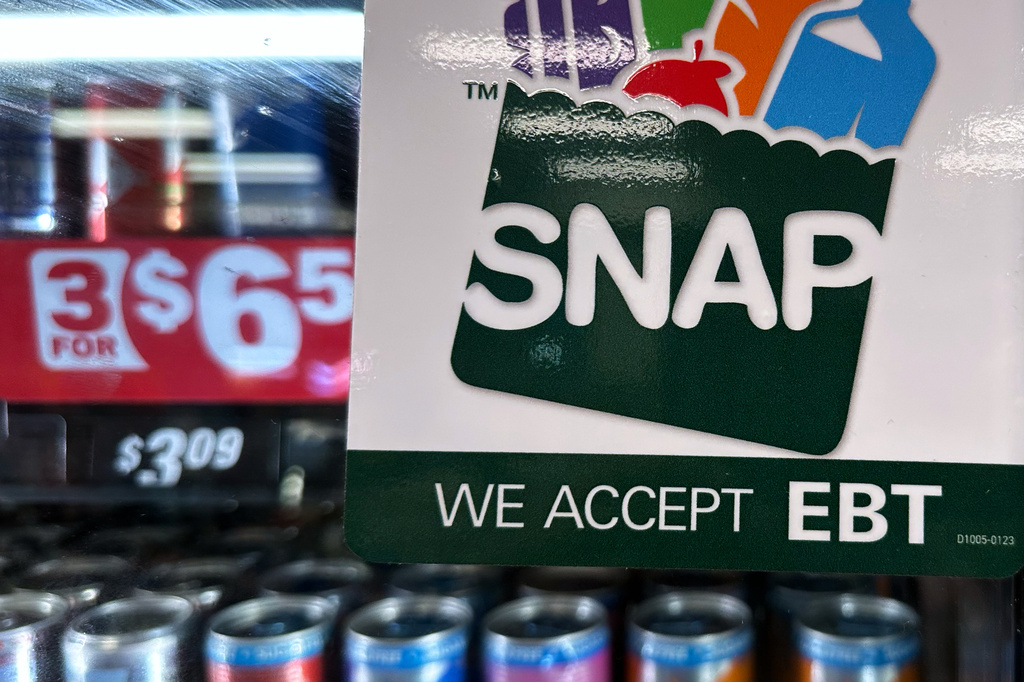
SNAP, or Supplemental Nutrition Assistance Program, assists low- and no-income Americans by providing a monthly benefit loaded onto a debit card to help with grocery costs. Existing restrictions prevent the use of SNAP benefits for items such as alcohol and tobacco.
Currently, 22 states are either implementing or planning to introduce additional restrictions on products deemed “non-nutritious,” including soda and candy. Recently, Kansas, Nevada, Ohio, and Wyoming have moved to establish new limitations within the last month.
However, the newly established rules in those states are not set to take effect for several months or even years.
Next month, new restrictions will come into play in four states: Colorado, Florida, Texas, and West Virginia. In Colorado and West Virginia, the purchase of soda or soft drinks with SNAP benefits will be prohibited. Florida’s rules extend further, banning energy drinks, candy, and prepared desserts. In Texas, SNAP recipients will be restricted from buying candy and sweetened beverages that contain over 5 grams of added sugar or artificial sweeteners.
Virginia was originally set to start implementing new restrictions in April but has delayed the rollout until October, according to the United States Department of Agriculture. West Virginia, initially targeting a Jan. 1, 2026 implementation, has now instructed retailers to comply by April 1.
“With these new waivers, we are empowering states to lead, protecting our children from the dangers of highly-processed foods, and moving one step closer to the President’s promise to Make America Healthy Again,” stated USDA Secretary Brooke Rollins in a press release.
However, some critics argue that these restrictions unfairly target lower-income populations.
“It’s an opportunity to say you’re doing something, while really just stigmatizing a single group of people for choices that everybody in America really makes,” commented Chris Bernard of Hunger Free Oklahoma in an interview with Nexstar’s KFOR.
SNAP, which was formerly known as the Food Stamp Program, supports roughly 1 in 8 Americans in affording groceries.
Additional restrictions already exist on the use of SNAP benefits, which are not determined by state. Unallowable purchases include non-food items (such as soap and paper products), alcohol, tobacco, vitamins, medications, and hot foods.
Key Takeaways
- Four more states have joined the movement to restrict SNAP purchases on sugary drinks and snacks.
- Currently, 22 states have implemented or are preparing to impose additional SNAP restrictions.
- New limitations will take effect in April 2024 for Colorado, Florida, Texas, and West Virginia.
- Critics argue that these restrictions unfairly stigmatize low-income individuals.
- SNAP benefits assist approximately 1 in 8 Americans in accessing groceries.
FAQ
What is SNAP?
SNAP, or the Supplemental Nutrition Assistance Program, helps low- and no-income households afford groceries by providing a monthly benefit.
Which states have recently added restrictions to SNAP purchases?
Recently, Kansas, Nevada, Ohio, and Wyoming have introduced new restrictions on SNAP purchases.
When will the new restrictions take effect?
The new restrictions in Colorado, Florida, Texas, and West Virginia will begin in April 2024.
What items are prohibited under the new SNAP restrictions?
Restrictions may include sugary beverages, candy, and snacks deemed unhealthy.
Are there other existing restrictions on SNAP purchases?
Yes, existing bans include items like alcohol, tobacco, hot foods, and non-food items across all states.
In conclusion, the recent wave of restrictions on SNAP purchases highlights an ongoing debate over food accessibility and nutritional health. As states continue to implement these changes, the implications for low-income families and their choices remain a point of contention.