As we age, maintaining a strong core becomes increasingly important for our physical health and daily functionality. A well-conditioned core not only supports better balance and stability but also assists in performing everyday tasks smoothly. One of the most effective exercises for developing core strength is the plank. This article will provide insights into the significance of core strength after the age of 60, along with practical advice on how to incorporate planks into your fitness routine effectively.
The Importance of Core Strength After 60
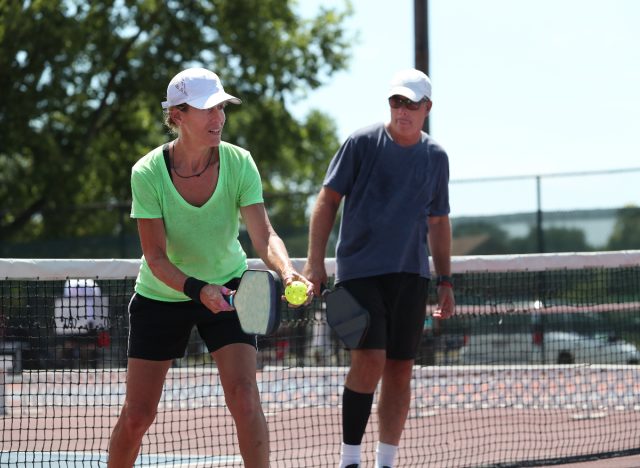
In your 50s and 60s, core strength takes center stage as it serves as the foundation for spinal stability and balance. This strength is crucial for performing daily activities, from lifting groceries to navigating uneven walkways. A strong core acts like a robust connection between your upper body and lower body, making tasks easier and reducing the risk of injury. By focusing on core strength, you can improve your posture, alleviate lower back discomfort, and enhance your overall quality of life.
Plank Duration for Optimal Core Strength
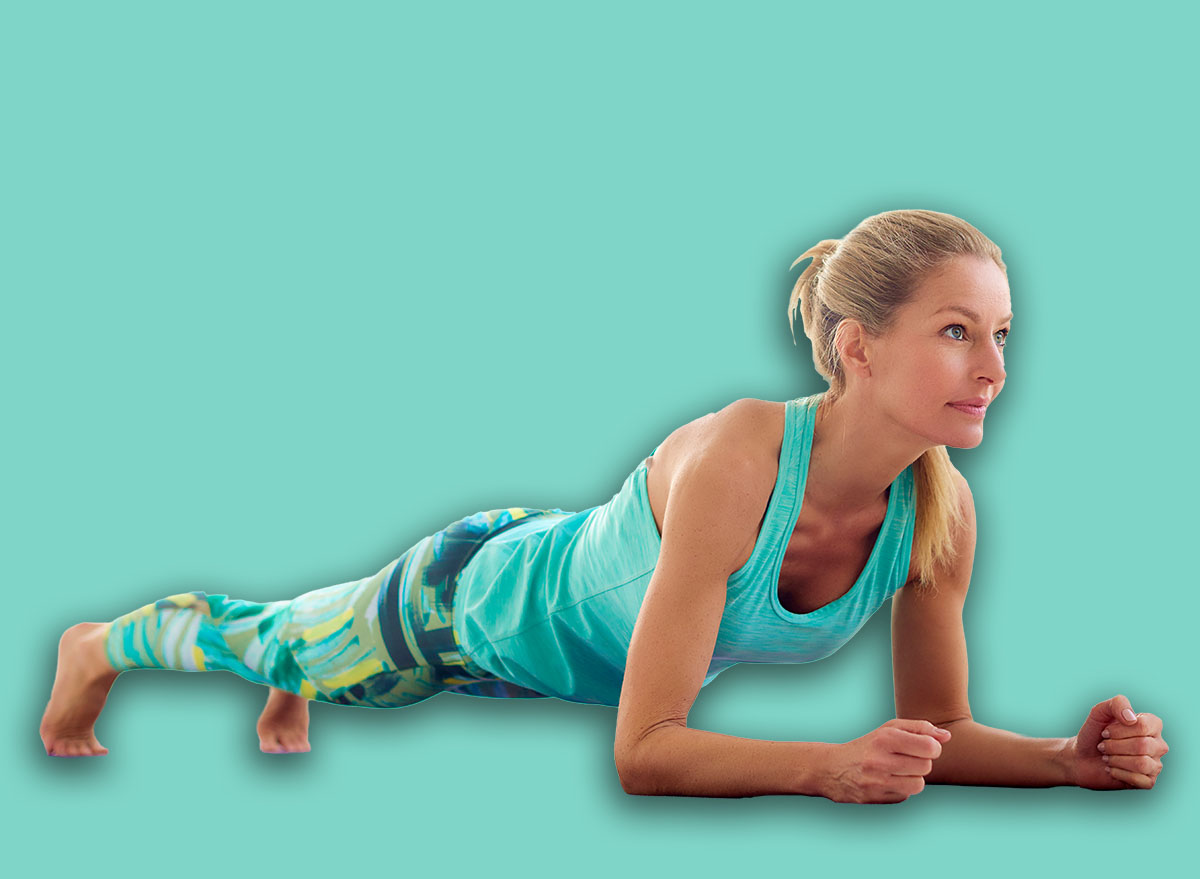
If you’re wondering how long to hold a plank for effective core strengthening, fitness expert Chad Lipka recommends aiming for a duration of **45 to 60 seconds**. According to Lipka, those who can maintain a controlled plank for this length of time typically show improved mobility, reduced back issues, and quicker recovery from minor strains.
The Benefits of Mastering the Plank Exercise
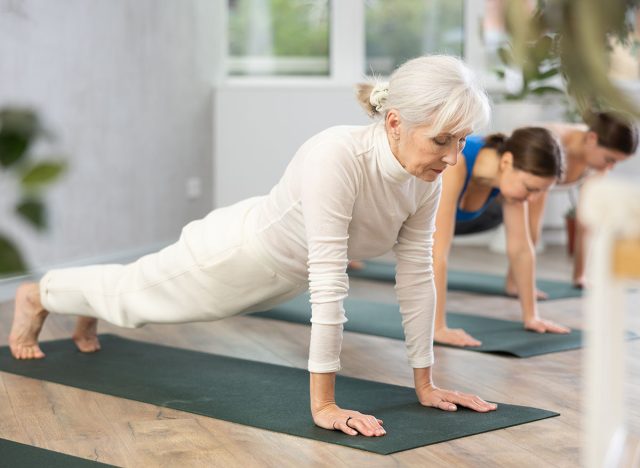
Planks are an exceptional exercise because they engage multiple muscle groups simultaneously, including the deep abdominal muscles, glutes, and shoulder stabilizers. Lipka highlights that a solid plank demonstrates effective cooperation among all muscle groups involved in movement, minimizing wobbles or dips in the hips and shoulders. For those over 50, achieving a strong plank indicates a well-functioning kinetic chain that promotes better movement patterns.
Understanding Age-Related Changes
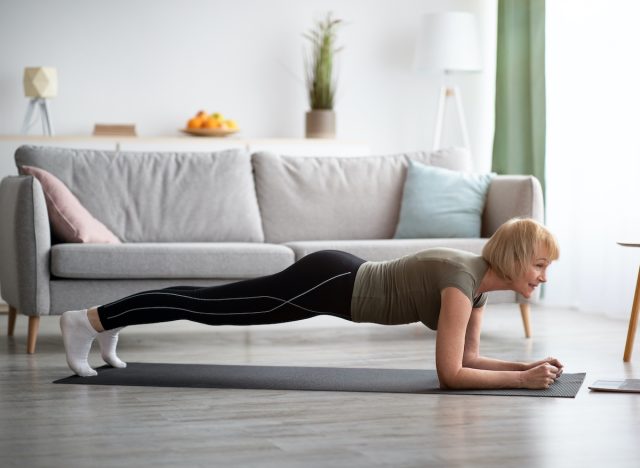
As we age, our bodies undergo various changes, such as losing lean muscle mass and diminishing strength in stabilizing muscles. Lipka points out that maintaining a few simple habits—like upright walking posture and consistent resistance training—can significantly help. When attempting to master the plank, common pitfalls for individuals over 50 include not engaging the glutes, shaking shoulders due to lack of activation, and breath-holding, all of which can compromise stability.
Conclusion
Incorporating planks into your fitness routine is a simple yet effective way to enhance core strength, especially as you age. By striving for the 45 to 60-second mark in your plank holds, you’ll not only improve your physical capabilities but also enhance your overall well-being. Remember, the journey to fitness is a personal one—start where you are and gradually build up your strength and endurance.