Rhi Lambert has yet to share a “what I eat in a day” video.
In a time when wellness influencers are busy showcasing their meticulously crafted meal routines, Lambert’s absence from this trend feels refreshing. As a nutritionist, bestselling author, and clinic founder, her choice is intentional.
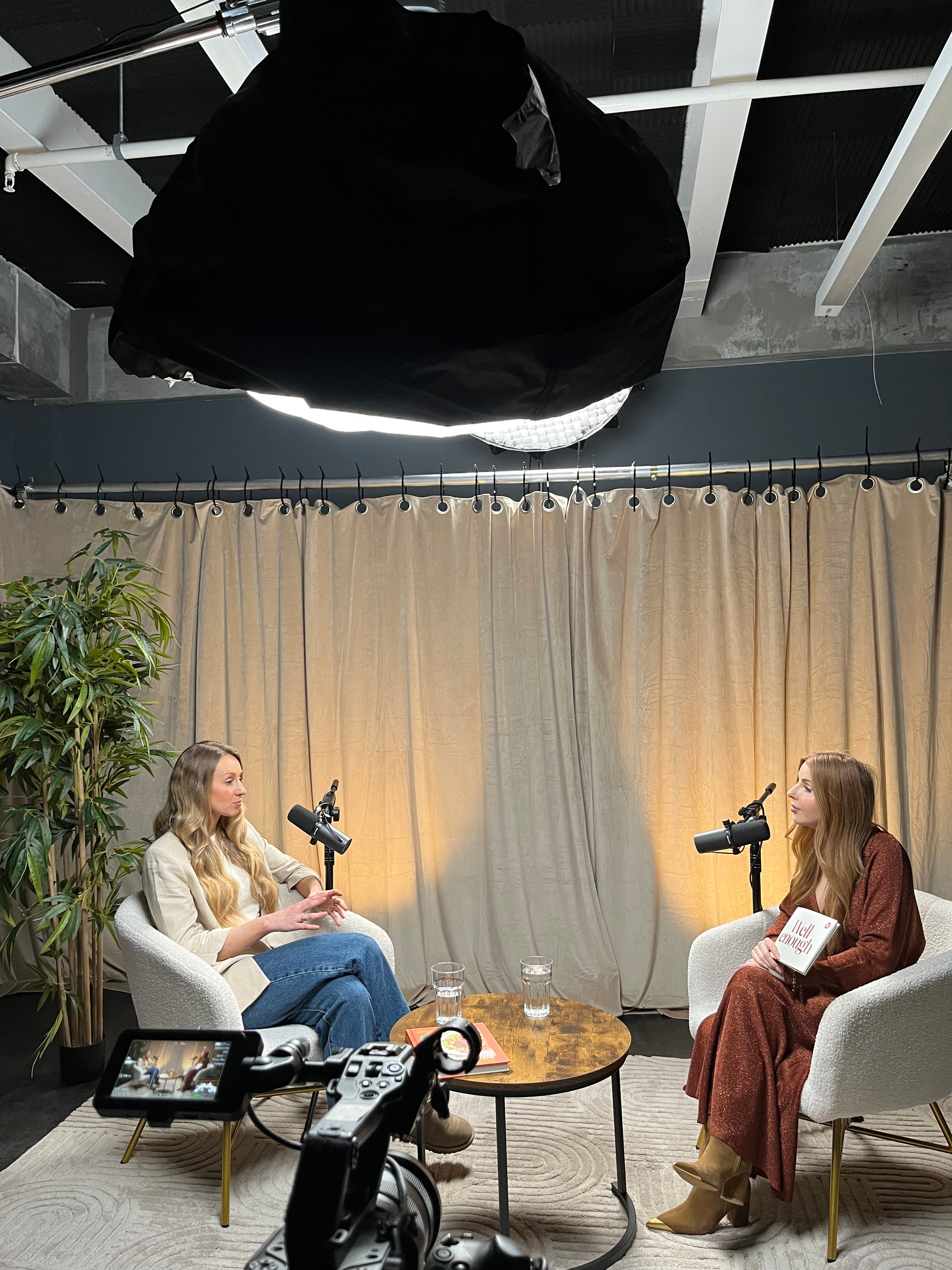
“I run an eating disorder clinic,” she explains to Emilie Lavinia on The Independent’s Well Enough podcast, “and I witness the detrimental effects of such expectations on both followers and the individuals themselves.”
Scrolling through social media, it’s easy to fall into the trap of seeing health as a performance—an idealized routine that can be emulated if one simply tries hard enough. Lambert observes a deeper issue: a culture of comparison, competition, and rising confusion.
“It’s a slippery slope,” she remarks. “I can understand why people engage in it, but the curated nature of these portrayals is misleading. No one who is genuinely busy can manage to prepare three perfectly balanced meals each day like these videos suggest.”
Her dismissal of these superficial narratives shapes her core argument: our fixation on wellness trends distracts us from what truly matters.
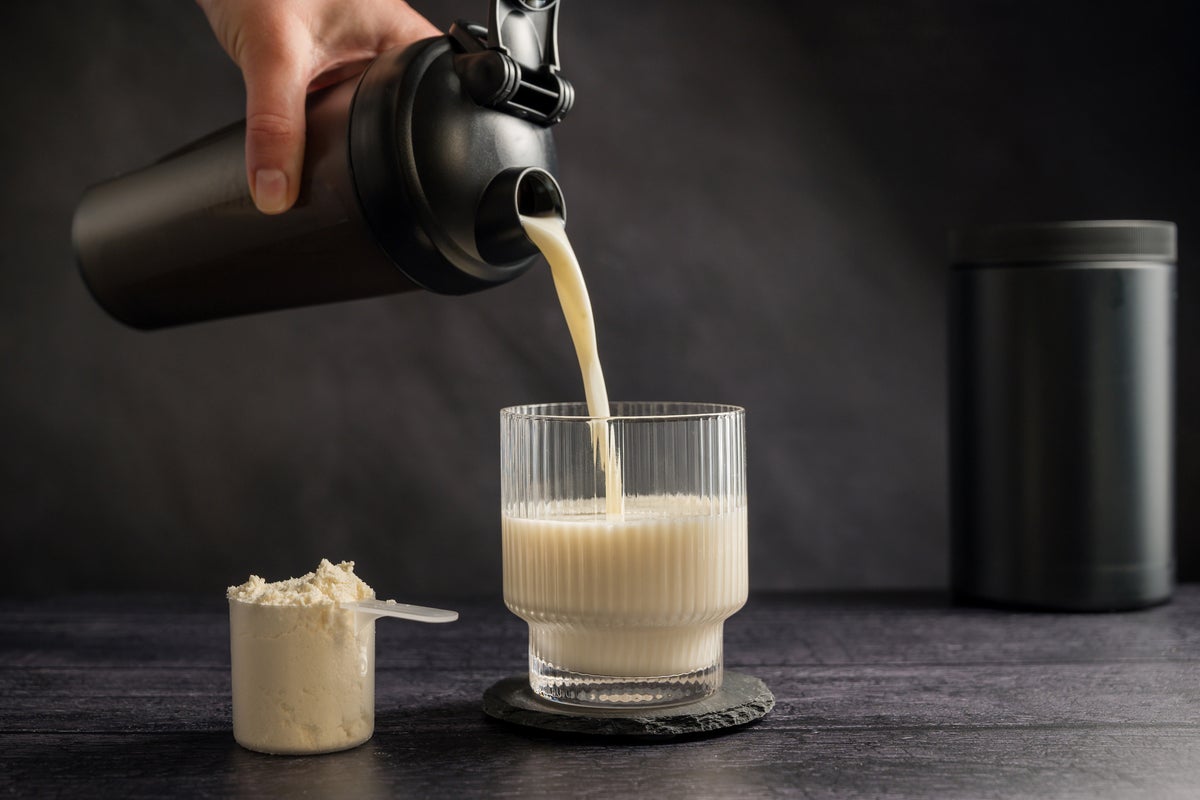
For years, the dialogue around health has revolved around protein—high-protein snacks, protein-infused coffees, protein-rich yogurts, and so on, all promising strength and transformation.
Yet Lambert is not convinced. “The hype surrounding protein has caused significant damage in this country,” she states bluntly.
The issue isn’t the protein itself—she acknowledges its importance, especially as we age—but rather that it overshadows more vital nutritional needs. While the nation obsesses over protein goals, we are neglecting something far more fundamental.
“We’ve never struggled to meet our protein needs; it has never been flagged as a concern,” she emphasizes. “However, regarding fibre… that 4 percent statistic is possibly the most shocking I’ve come across in my nutrition career.”
This statistic—that a meager fraction of the population consumes adequate fibre—underpins her overarching point. It represents not merely a nutritional gap, but a sign of something larger. “We’ve grown up in a nation that has lost its food culture.”
This cultural shift, according to Lambert, is evident in our dietary choices, eating habits, and overall understanding of food.
Lunch, in particular, has been reduced to an afterthought. “Most people stumble when it comes to lunch,” she notes. “It has become synonymous with convenience foods and eating on the go.”
We tend to eat at our desks, snack, and rely on pre-packaged meals designed for speed rather than nutrition. The conversation surrounding food has also shifted—less about cooking and more about shortcuts.
Meanwhile, years of diet culture have distorted our perceptions of eating.
“It has always been about what we can eliminate,” she said. “We’ve truly missed the point.”
Lambert argues that the mindset of calorie counting, cutting carbs, and restriction is not only outdated, but also detrimental. It reduces food to mere numbers and neglects its primary purpose. “Food isn’t about numbers.”
Her personal journey underscores this notion. Before becoming a nutritionist, Lambert trained as a classical soprano, often under-fueling herself while traveling. “I definitely experienced a form of disordered eating that went undiagnosed,” she recalls. “I mistakenly thought that programs like Weight Watchers were the answer… my knowledge of nutrition was nonexistent.”
It wasn’t until she stepped away from the music industry—“my mental health was deteriorating”—that she ventured into nutrition, eventually completing both a bachelor’s degree and a master’s degree specializing in obesity and prevention.
The common thread in her experience is clear: she understands what it feels like to struggle.
Part of the issue, she asserts, is the misrepresentation of fibre. “I recently read a survey indicating that 80 percent of individuals believe fibre is solely about bowel health,” she explains. “The reality is far more complex.”
It may not seem glamorous or eye-catching, lacking the allure of transformation shots associated with trending diets. In a culture obsessed with aesthetics, that distinction is significant.
“It’s not ‘sexy,’” she admits. “High protein, on the other hand, is linked with muscle and fitness.”
Fibre has often been relegated to the unpleasant realms of prunes and punishment.
However, the importance of fibre is far-reaching and essential. It contributes to heart health, helps regulate blood sugar levels, and supports gut microbiome health, nurturing the bacteria that modulate inflammation and enhance immunity. Additionally, it is linked to improved brain health, with evidence suggesting that higher fibre intake can lead to increased longevity. Lambert notes, “Increasing fibre can contribute to an additional five years of life.” Furthermore, it has the potential to halve the risk of bowel cancer.
Yet, despite its myriad benefits, fibre remains sidelined in favor of whatever nutrient is currently trending.
This trend-driven cycle is partly perpetuated by social media, and Lambert is acutely aware of its implications. “People often turn to social media for advice instead of consulting their GP,” she reflects. “It’s more convenient and cost-effective, but it’s hard to determine whether the information is credible.”
Adding to the confusion, she points out that “the term nutritionist lacks regulation.” Anyone can adopt this title, regardless of their qualifications.
“There are numerous alternative pathways and courses shorter than the rigorous five-year degree I completed, allowing many unqualified individuals to market themselves online with large followings.”
This creates an environment filled with abundant yet often unreliable advice, where nuances can easily be overlooked.
Even the most well-intentioned trends can veer into absurdity. Lambert shares a few examples. “Consuming butter sticks as a snack is among the most nonsensical ideas I’ve encountered,” she comments. “I’ve seen babies weaned on such foods online.”
There are also popular GLP-1 foods: products that claim to replicate the effects of weight-loss injections. “You cannot equate the strength of a weight-loss injection to regular food,” she asserts. “They function entirely differently.”
Even fibre is not exempt from being swept into fleeting trends. The concept of “fibre maxxing” has gained traction on TikTok, yet focusing solely on one supplement defeats its purpose. “Diversity is crucial,” she cautions. “Relying on the same supplement daily will not yield long-term benefits.”
While this may paint a grim picture, Lambert quickly returns to tangible actions that individuals can take.
At home, with her two young children, perfection is not the target. “I’m not a Michelin-star chef. I’m simply a home cook for my family, doing my best,” she shares.
That “best” often involves practical adjustments—incorporating butter beans into pasta sauce, adding lentils to bolognese, or mixing quinoa with rice.
“It’s about being resourceful with everyday meals,” she adds. “A bolognese can still be a family favorite, enhanced simply by adding extra lentils.”
The same principle applies to snacks. “You can’t go wrong with nuts and seeds… and chia seeds are remarkably nutrient-rich,” she advises. “Opt for popcorn instead of crisps; it’s packed with fibre.”
Her philosophy centers on addition rather than subtraction: “My approach emphasizes incorporating more rather than eliminating.”
However, Lambert insists that individual responsibility cannot bear the entire burden. “Cost remains a significant barrier in this country,” she points out. “We know it costs twice as much to eat healthily.”
The food landscape is pivotal, and she believes it often works against individuals. “Seventy percent of children’s diets comprise ultra-processed foods in this country,” she notes. “We hold the highest rate in Europe.”
Schools and nurseries contribute to this dilemma. “The situation is alarming,” she states. “Not every nursery has a qualified nutritionist on staff… it’s unacceptable.”
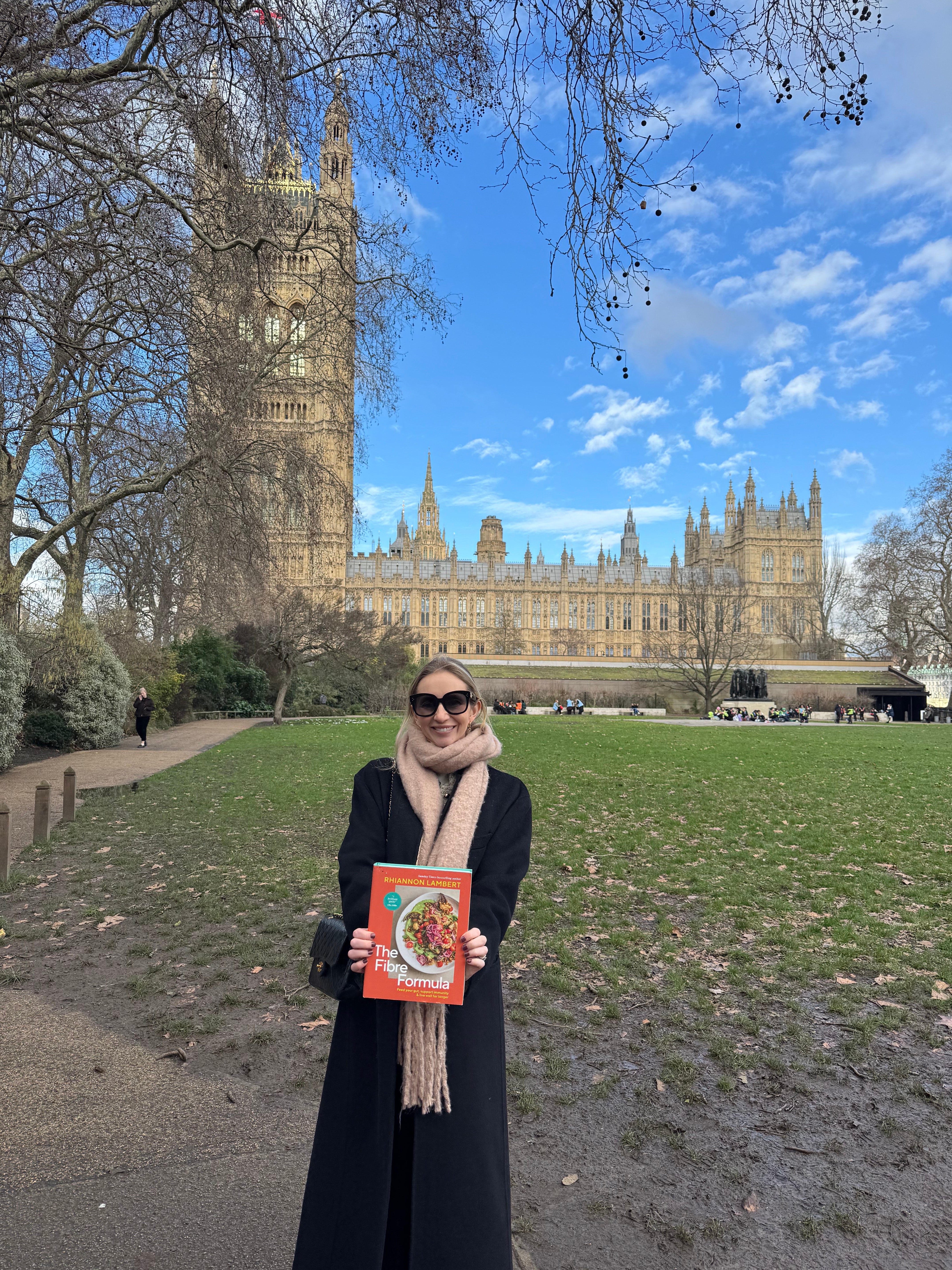
Government intervention is also crucial, though change is gradual. Lambert recently shared data on the UK’s fibre intake with parliament. “I hope they listened,” she reflects. “Whether they act on it remains to be seen.”
Perhaps the most poignant observation arises from her analysis of how we arrived at this point. “When women entered the workforce in the 1960s, they stepped away from the primary cooking role,” she recounts. “Men did not take on that responsibility, leading to the rise of convenience foods.”
In summary, the surge in ultra-processed foods isn’t merely about convenience or poor choices—it’s deeply structural, entwined with issues of time, labor, and inequality.
“We’re expected to do it all,” she concludes. “And that’s simply unfeasible.”
Ultimately, Lambert’s message is straightforward and refreshingly uncomplicated: prioritize plant-based foods, focus on adding rather than taking away, cook when feasible, and resist the urge for perfection.
Most importantly, she advises, tune out the incessant noise surrounding nutrition.
“My primary recommendation for feeling well would likely be to shut out the distractions,” she suggests. “It’s crucial to disconnect; it’s challenging to discern your needs when constantly bombarded by food-related chatter.”
For amidst all the trends, promotional products, and grand promises, the solution rarely lies in fads, elaborate protocols, or flawlessly arranged plates.
“Simply choosing whole grain pasta can be a significant accomplishment,” she concludes.