Managing Fitness: Insights From Barcelona’s Current Challenges
In the world of professional sports, maintaining player fitness is crucial for success. Recently, Barcelona’s situation has raised some eyebrows regarding its medical and fitness staff’s effectiveness. Hansi Flick, the team’s coach, voiced concerns about the rise in injuries among key players, illustrating a need for better management. This article explores the practical lessons that can be drawn from this situation, focusing on how athletes, coaches, and fitness teams can work together more effectively.
A Call for Better Management
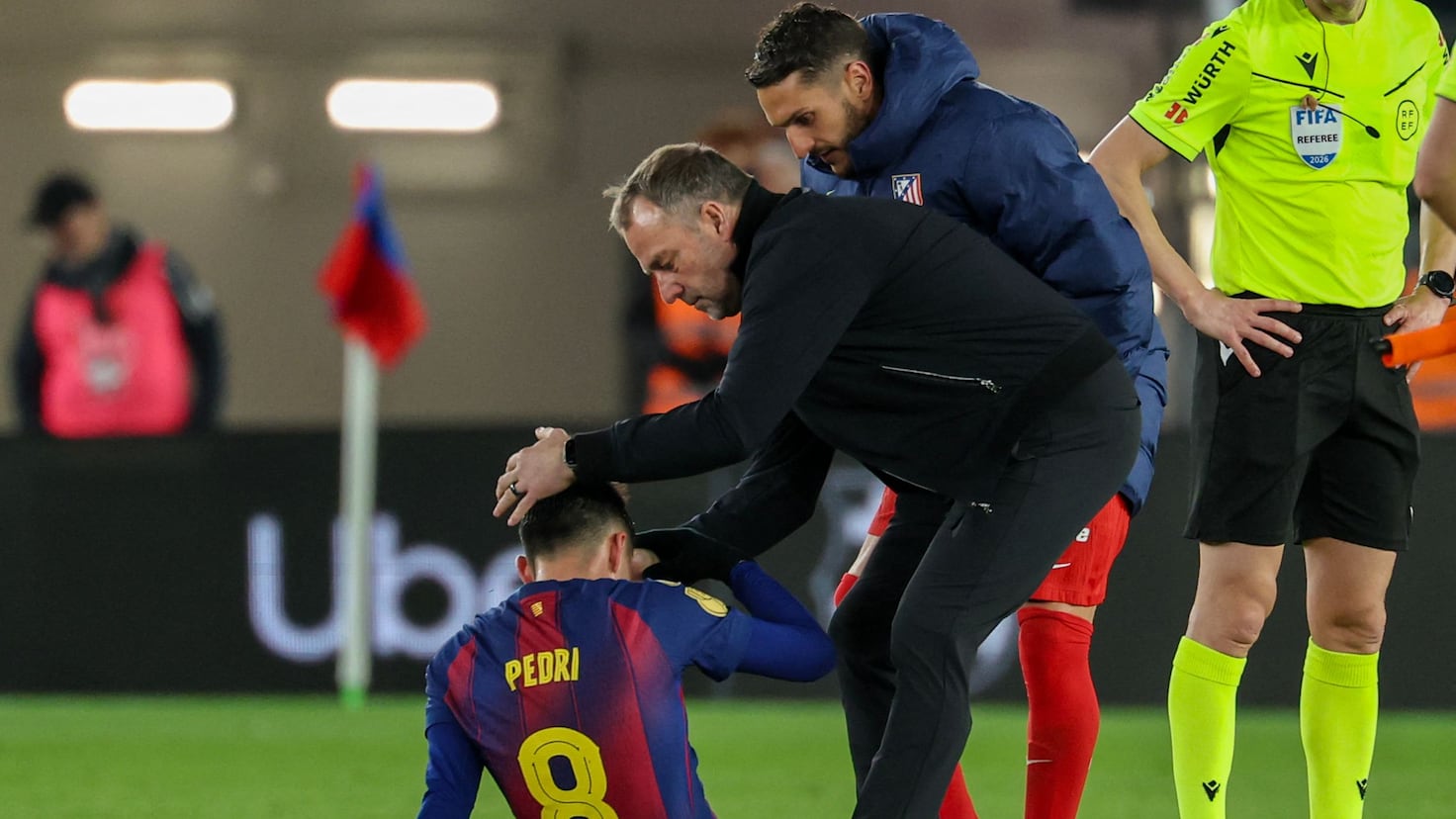
Recently, Hansi Flick expressed dissatisfaction with the club’s medical and fitness management after two more players were injured, adding to the existing concerns surrounding the squad’s health. He emphasized the importance of discussing these issues with the medical team to prevent further injuries. Interestingly, Flick had previously taken risks with some players, keeping them on the field longer than advisable, which raises questions about fitness strategies.
As athletic performance requires balancing exertion and recovery, teams must find a way to monitor players’ physical loads. This issue could serve as a cautionary tale for coaches at all levels to prioritize communication with medical staff and make informed decisions about player usage.
Growing Concerns Among Players
Reports indicate that players are becoming increasingly frustrated with the team’s fitness program. Concerns have been raised about the adequacy of their preparation and conditioning, especially given that the team performed well last season but appears to be struggling this time around. This emphasizes the importance of player feedback in shaping training programs; effective dialogue can bridge the gap between athletes’ needs and the strategies employed by coaches and fitness staff.
Injury List Is a Worrying Trend
Barcelona’s injury list continues to grow, with several key players sidelined. The management of injuries, such as that of Frenkie de Jong, has sparked debates about the effectiveness of the club’s medical decisions. Such discussions are vital for understanding the nuances of injury prevention and recovery in sports. The club is in a delicate situation and must prioritize the long-term health of its athletes over short-term competitive advantages.
A Need for Balanced Training
The current fitness crisis at Barcelona highlights a paradox; despite having a well-regarded fitness team, the results have not matched expectations this season. Even successful strategies from the previous year came under scrutiny as concerns arose about the adequacy of strength training and recovery protocols. This serves as a reminder that past successes don’t always guarantee future performance and that continuous evaluation is essential.
Navigating a Tense Environment
As the season progresses, the atmosphere around the team is increasingly tense. Flick’s public remarks about player injuries underscore the challenges faced not only by the athletes but also by the coaching and medical staff. This situation demonstrates how critical it is for sports organizations to maintain harmonious relationships among all stakeholders involved in athlete preparation.
Conclusion
Barcelona’s current medical and fitness challenges offer important lessons for all teams and athletes. Prioritizing communication between players, coaches, and medical staff while adopting a balanced training approach can lead to improved performance and reduced injuries. As professionals in the field of fitness, acknowledging feedback and adapting training regimes is crucial for success. By focusing on these principles, teams can better manage their athletes’ health and enhance their overall performance in the long run.
Whether you’re a coach, an athlete, or an enthusiast, always remember that fitness is a continuously evolving journey that requires diligence, adaptability, and collaboration.