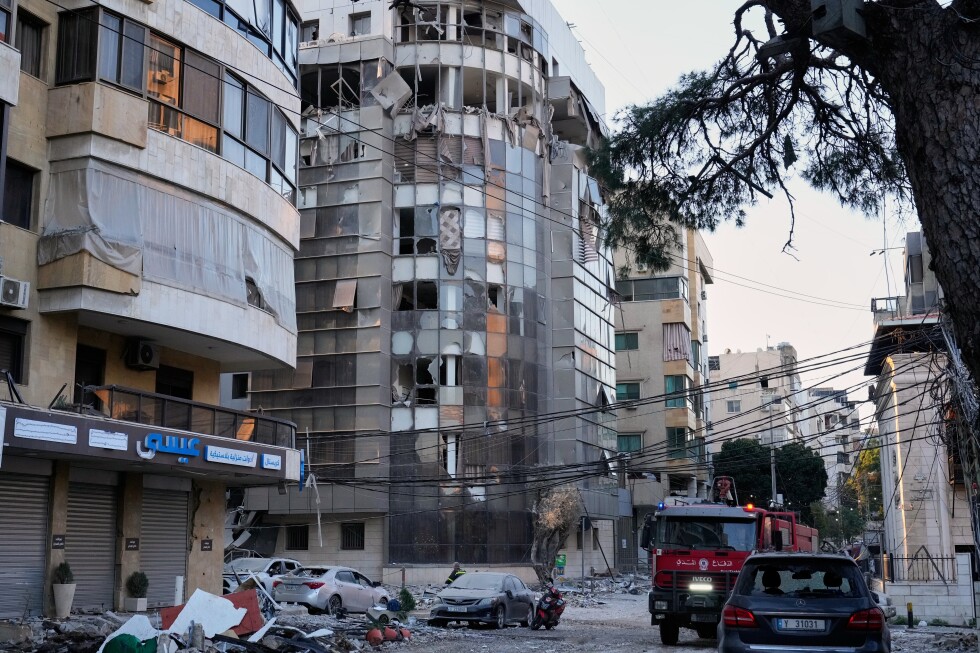
The ongoing conflict in the Middle East has seen a significant escalation recently, marked by missile strikes and retaliatory actions. Tensions have risen notably between Iran, its allies, and Israel, creating a complex situation that draws in various international stakeholders.
Key Takeaways
- Missile strikes have been launched by Iran against Israel and Arab nations, escalating regional tensions.
- Iranian officials assert that they will not engage in negotiations with the United States.
- The conflict has resulted in over 200 casualties since the onset of airstrikes.
- Former President Trump expressed a willingness to communicate with Iran’s new leadership despite previous tensions.
- Iran’s foreign minister noted military units may operate independently from the central government.
- The CIA monitored Iranian leaders’ movements, influencing the timing of recent strikes.
On Monday, Iran launched missiles targeting both Israel and various Arab states, correlating with a broader war involving militia groups backed by Tehran. Hezbollah also initiated attacks on Israel, which retaliated against the group from Lebanon, while the United States struck locations within Iran.
As American and Israeli airstrikes continued unabated, Iranian security official Ali Larijani proclaimed on social media, “We will not negotiate with the United States.” This remark came shortly after former President Trump encouraged Iranians to “take over” their government, suggesting an openness to dialogue with Iran’s new leadership.
In a significant development, Iran’s foreign minister implied that military actions against Gulf Arab nations were being executed autonomously, rather than under the directive of the central government.
Over 200 reported casualties have occurred since the commencement of the airstrikes that killed Iran’s Supreme Leader Ayatollah Ali Khamenei along with other high-ranking officials, according to statements from Iranian leadership.
What to know:
- Trump says more US service members ‘will likely’ be killed: Trump indicated the U.S. would “avenge” the deaths of three service members, remarking that “Sadly, there will likely be more, before it ends.”
- Iran’s foreign minister says Islamic Republic spent 2 decades studying US military: Foreign Minister Abbas Araghchi stated that the Islamic Republic dedicated “two decades” to understanding U.S. military operations in the region, claiming that recent bombings do not affect Iran’s war capabilities.
- CIA tracked the movements of senior Iranian leaders for months: Information from an anonymous source indicated that U.S. intelligence monitored senior Iranian officials over an extended period, influencing the timing of the latest airstrikes.
FAQ
What actions did Iran take against Israel?
Iran launched missile strikes targeting Israel as part of escalating regional tensions.
What was the U.S. response?
The United States conducted airstrikes on multiple targets in Iran in retaliation for the ongoing conflict.
Who commented on the negotiations?
Iranian security official Ali Larijani stated that there would be no negotiations with the United States.
How many casualties were reported?
Over 200 casualties have been reported since the beginning of the recent strikes.
Conclusion
The situation in the Middle East remains volatile, with significant repercussions for regional and global politics. As this conflict unfolds, it will be crucial to monitor the responses from various nations and the impact on international relations.