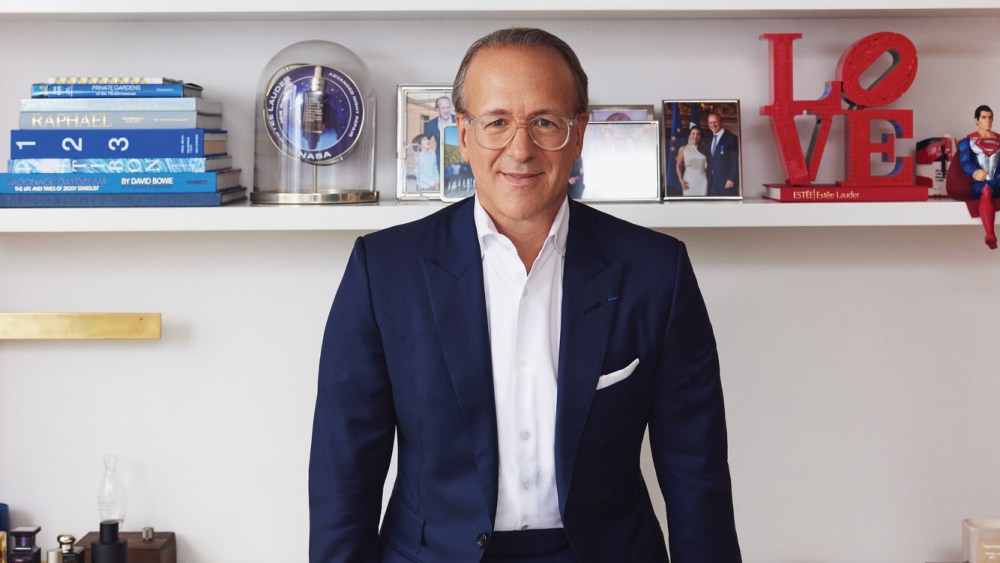
Stéphane de La Faverie Leads Estée Lauder’s Turnaround
On a summer Friday, Stéphane de La Faverie exudes an energized positivity, underpinned by recent successes in his first fiscal year as CEO of Estée Lauder. The company, which experienced three years of organic sales declines, has emerged with promising growth, reflecting both increased net sales and profitability.
A Turning Point
When de La Faverie took the helm in January 2025, Estée Lauder’s stock had plummeted dramatically, losing its status as the leading prestige beauty brand. Instead of reversion to past successes, de La Faverie aimed to reshape the company for the future, initiating a significant transformation strategy that emphasized growth over mere recovery.
Emphasis on Growth
De La Faverie articulated the need to evolve from the Profit Recovery Plan (PRP) to the Profit Recovery Growth Plan (PRGP), prioritizing growth amidst transformation. Over 10,000 positions were eliminated to streamline operations, marking significant changes in leadership dynamics, including a departure from family involvement in operational roles.
Consumer-Centric Approach
Central to Lauder’s revitalized strategy is a shift to consumer-centricity, transitioning from brand-focused decisions to prioritizing consumer needs and cultural understanding. De La Faverie outlines “cultural intimacy” as a guiding principle. An example includes MAC’s targeted marketing strategies in emerging markets like India, which require deep cultural awareness.
Financial Recovery
Encouragingly, Estée Lauder’s recent financial results reflect a recovery, with a reported 5% increase in annual net sales and a net profit leap to $517 million, up from a net loss the previous year. Positive forecasts for fiscal 2027 highlight anticipated continued growth, with projected sales increases further fortifying the shift in company dynamics.
Adaptation and Challenges
Despite gains in areas like fragrance and skincare, some categories like makeup face hurdles. Notably, de La Faverie intends to reposition brands like Too Faced and Dr. Jart amidst an ongoing evaluation of the portfolio’s relevancy in the beauty market. Nevertheless, the successful rebranding of MAC demonstrates promise for the future.
Innovating Toward a New Future
As de La Faverie continues to drive the company’s innovation strategy, he acknowledges the need for careful alignment with market trends and consumer preferences, tailoring Lauder’s offerings to capture emerging consumer demands.
M&A and Expanding Horizons
Looking ahead, de La Faverie plans to explore new growth avenues through minority investments and acquisitions, focusing on brands that complement Estée Lauder’s portfolio. Remaining financially disciplined, the CEO emphasizes a structured approach to potential mergers and acquisitions without compromising the company’s financial stability.
A Unified Vision
The mission set forth by de La Faverie revolves around evolving the corporate culture while maintaining the brand’s foundational values. He aims to invigorate Estée Lauder’s entrepreneurial spirit, building on the legacy of its founder, Estée Lauder. The commitment remains steadfast in promoting women’s and girls’ advancement while creating an environment where innovation and consumer satisfaction drive success.
Whether you seek insights into corporate strategy or the beauty industry’s dynamics, de La Faverie’s narrative exemplifies transformative leadership amidst evolving market demands.