The growth of artificial intelligence (AI) data centers is driven by their demand for substantial electricity, significantly higher than traditional data centers used in the internet era. A typical AI data center rack can consume between 40 to 100 kilowatts (kW), compared to 5 to 10 kW for conventional racks. This increased energy requirement means that a single AI query consumes roughly 10 to 15 times more electricity than a standard web search.
The projected investment in AI data centers will amount to $7.6 trillion by 2031, highlighting the urgent need for consistent electricity supply. Developers typically favor natural gas due to its accessibility and speed in connecting to existing energy grids. Companies such as GE, Siemens, and Caterpillar are reporting increased orders for generators and turbines linked to data centers.
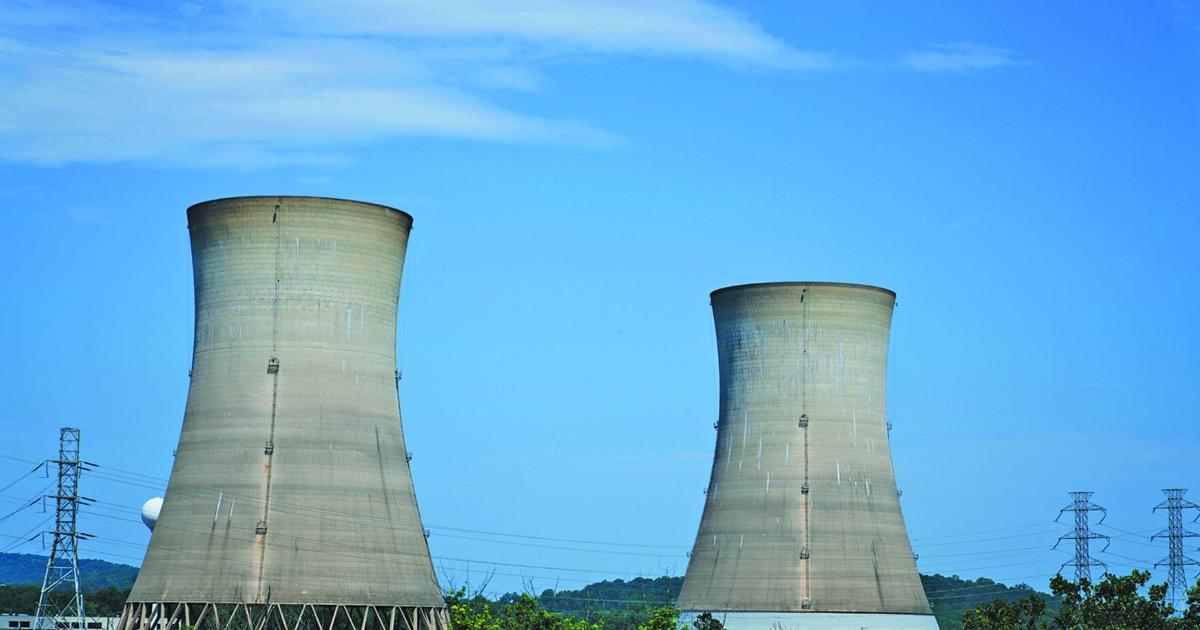
Natural gas currently supplies about 40% of the energy needs for U.S. data centers, with renewable energy contributing 24%. This trend is expected to grow, with natural gas demand predicted to rise by nearly 20% by 2030. Some developers are also exploring nuclear energy options as a power source, despite the associated challenges of high costs and long approval times.
Concerns about emissions are escalating, particularly regarding methane leaks from natural gas infrastructure. As the infrastructure struggles with aging components and challenges in supply chain logistics, the demand for electricity from new data centers poses significant implications for local power companies and consumers alike.
The U.S. government has approved funding to improve transmission lines and support the power grid, a critical step as data centers are poised to dramatically increase electricity consumption. However, this growth raises concerns about potential higher utility bills and impacts on local ratepayers.


