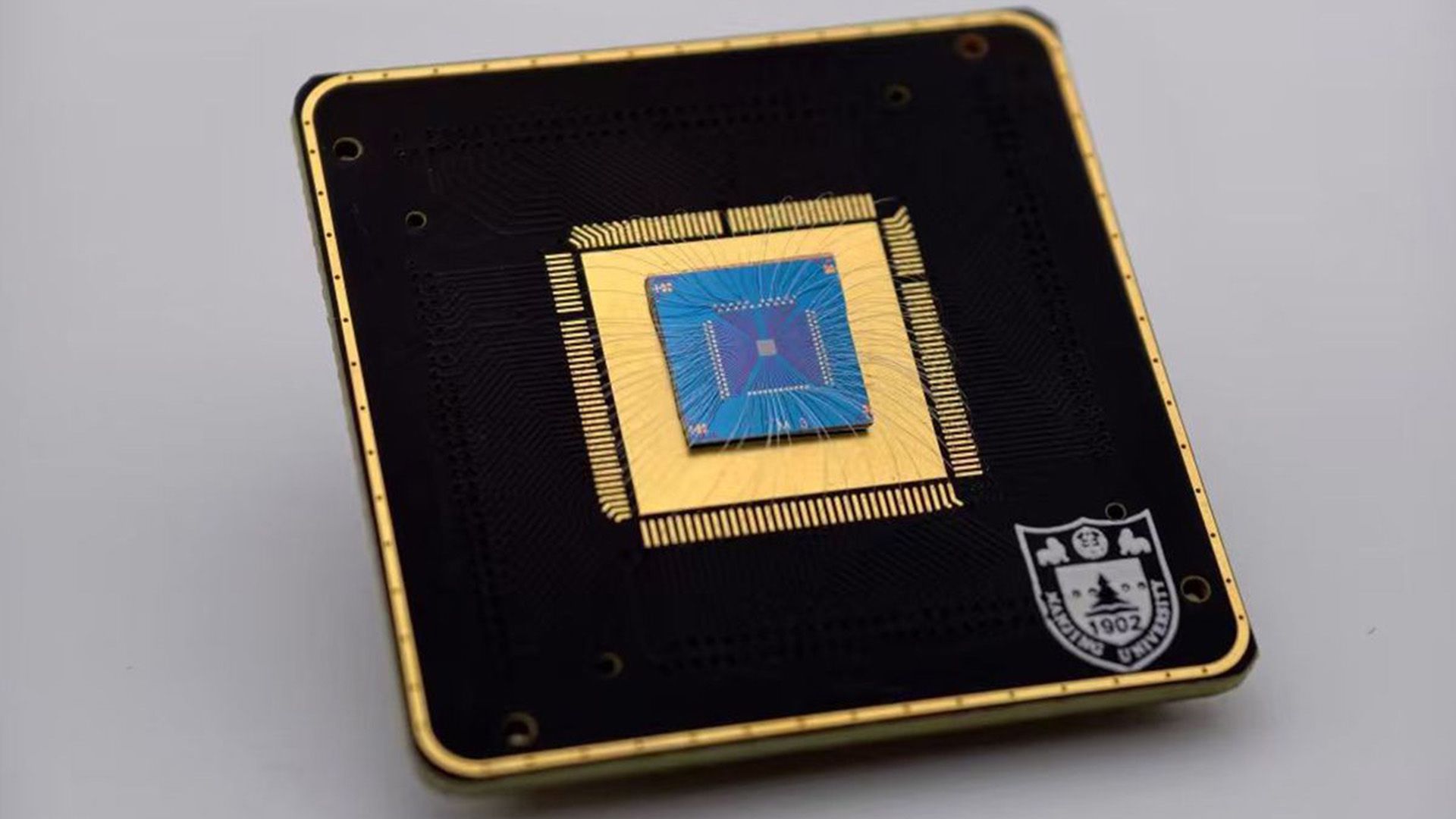
Researchers in China have created a groundbreaking sensor called LightTok, designed to significantly reduce the energy consumption of drones and autonomous devices when processing visual data. Published on August 19 in Nature Sensors, this 2D chip converts raw light into AI-readable tokens directly on the chip, bypassing traditional energy-intensive steps.
Key Features of LightTok:
-
Streamlined Processing: Traditional systems involve multiple stages, including light capture, conversion to pixels, temporary storage, and division into compartments before AI processing. LightTok consolidates these processes into a single chip operation.
-
Energy Efficiency: The analog-to-digital converter in traditional visual sensors accounts for about 66% of energy consumption. LightTok achieves a remarkable 10-fold improvement in energy efficiency, retaining 87.3% image recognition accuracy.
-
Innovative Technology: The chip utilizes a single-layer molybdenum disulfide floating-gate phototransistor, which captures light, retains the information, and performs calculations within the same pixel, thereby eliminating redundant data movement.
-
Current Limitations: LightTok currently operates at a maximum resolution of only 32×32 pixels. Although this is less than that of modern smartphone cameras, scaling the technology using existing chip fabrication processes could dramatically enhance its capabilities.
Potential Impact:
If successfully scaled up, LightTok could revolutionize remote sensing technologies, enabling drones to operate for longer durations in scenarios such as disaster recovery by minimizing energy required for visual data processing.
Experts, including Kumar Sokka from Acre Security, consider this development vital as it tackles the energy cost associated with processing raw sensor data directly at the point of detection. While the research represents a significant step forward, Sokka notes that it doesn’t completely solve all the energy challenges faced by physical AI applications.


