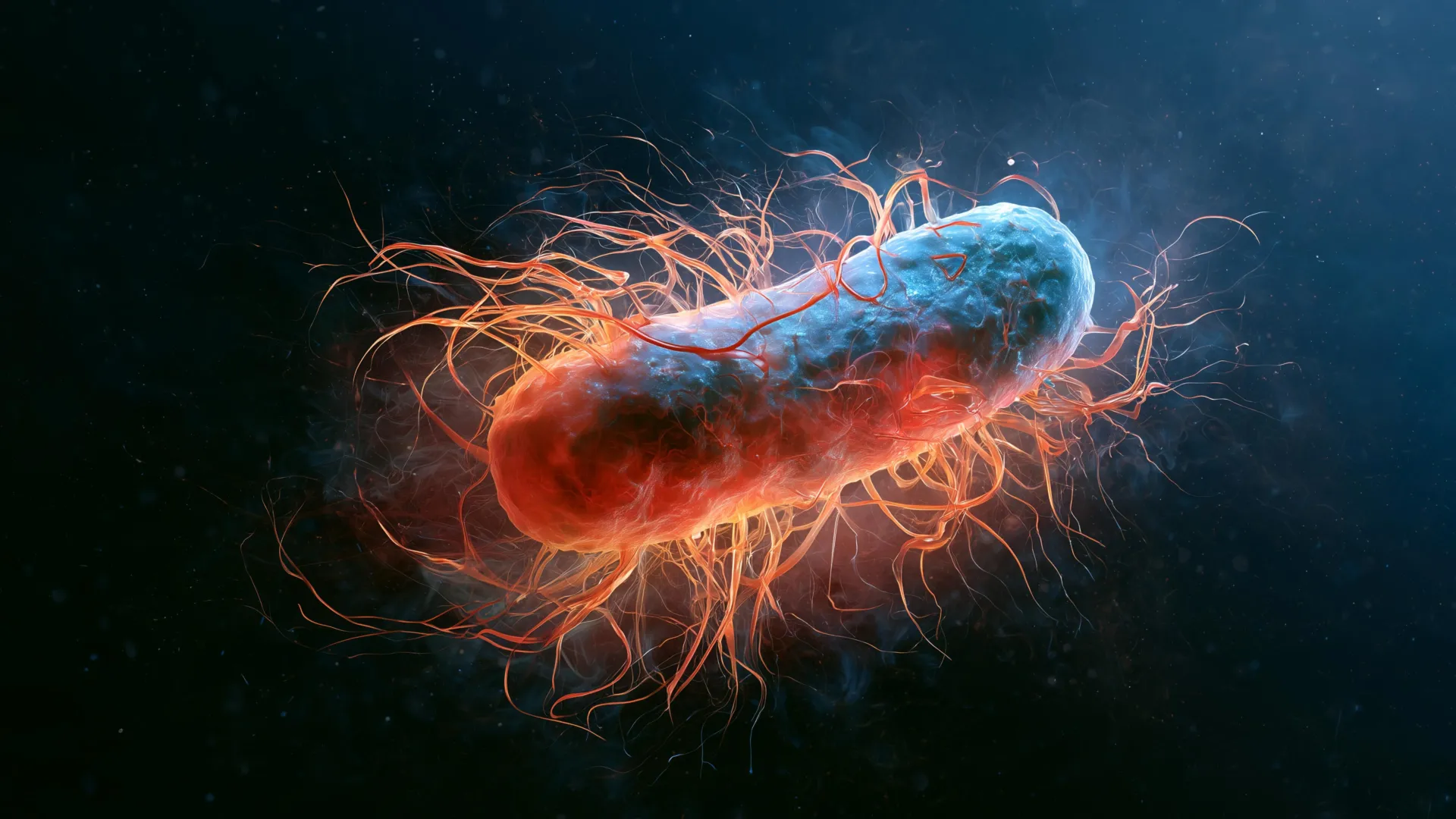
Researchers at the Hefei Institutes of Physical Science have discovered that the magnetotactic bacterium Magnetospirillum magneticum AMB-1 can significantly extend the lifespan of the model organism Caenorhabditis elegans. Published in Free Radical Biology and Medicine, this study highlights how AMB-1 suppresses ferroptosis, a type of cell death linked to aging.
The research shows that worms treated with AMB-1 lived 43% longer, while also maintaining better neurological function and intestinal health. The production of magnetosomes was crucial for this effect, with wild-type AMB-1 demonstrating a stronger impact compared to non-magnetotactic strains.
Detailed experiments indicated that AMB-1 reduced iron accumulation and lipid peroxidation in the worms, both of which are associated with ferroptosis. Key genes involved in this aging process were identified, suggesting that magnetotactic bacteria could provide a novel approach to anti-aging interventions, with potential applications in geriatric medicine.


