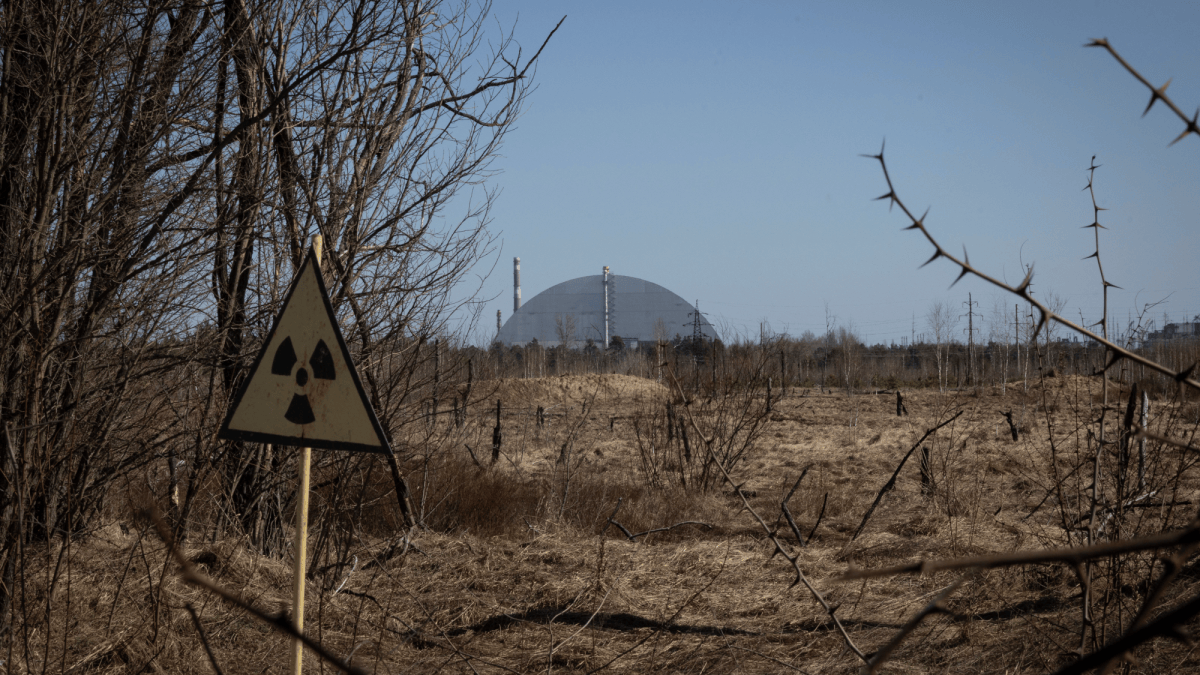
The article discusses the Chernobyl nuclear disaster, focusing on the “hot particles” released during the event. Here’s a summary of the main points:
-
Disaster Overview: The Chernobyl nuclear reactor exploded over 40 years ago, emitting radioactive debris including tiny particles known as “hot particles.”
-
Research Findings: A German research team analyzed six of these hot particles, finding them to be more chemically stable than previously thought. Their intact crystal structures suggest they have changed little since the explosion.
-
Hot Particle Types: These particles fall into three categories:
- Chemically similar to original uranium dioxide
- Melting fuel fused with protective casing
- Fire-damaged fuel from oxidation during the fire.
-
Study Methodology: The particles were sourced from Pripyat and Kopachi, analyzed using synchrotron X-ray diffraction to determine their composition and structure.
-
Implications of Findings: The stability of these particles indicates they may not leach harmful radioactive material into the environment as previously feared. This could explain the resurgence of wildlife in the exclusion zone.
-
Ecological Observations: The area around Chernobyl has become a unique ecosystem, hosting various species including foxes and bears. Even dogs in the region exhibit distinct genetic differences due to their isolation.
The research underscores the complexity of understanding radioactive contamination and its long-term environmental effects, highlighting the need for more studies to fully grasp the implications of these findings.


