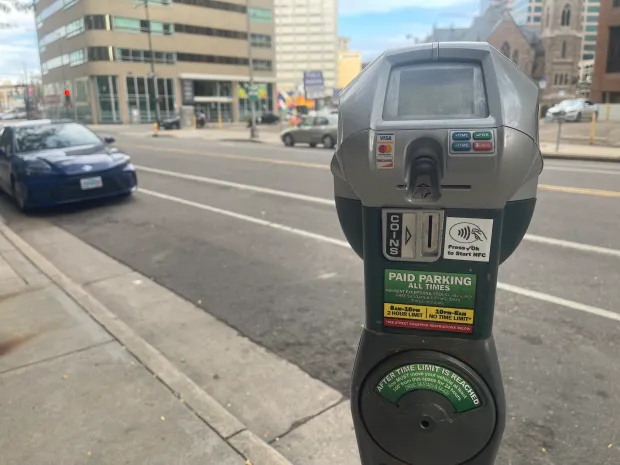
The city of Denver is expanding its parking enforcement and implementing new curbside restrictions, which could significantly disrupt trucking, delivery, and service fleets that are essential to the local economy. Reliable freight movement is crucial for businesses like grocery stores, restaurants, and construction sites. Restrictions on curbside access can lead to slower deliveries and increased costs for both businesses and consumers.
The city plans to increase enforcement measures, predicting a 51% rise in fines and citations, leading to reduced legal parking for commercial use. This could result in higher operating costs, increased fuel consumption, and heightened emissions due to longer searching times for parking. Many sectors, including food distribution and construction, may face fines and towing fees as a result.
As cities nationwide strive to make downtown areas more livable by reducing traffic and promoting alternate transportation methods, Denver’s recent changes could create more challenges for freight operations, especially in light of the increasing reliance on e-commerce spurred by the COVID-19 pandemic.
Unexpected shifts in shopping habits have made deliveries more crucial. The city’s removal of on-street parking and the narrowing of lanes for pedestrians and cyclists have complicated freight logistics. While the intention is to create a more walkable city, these policies could have adverse effects on delivery efficiency and costs.
To balance livability with freight mobility, Denver should collaborate with businesses to consider freight-inclusive policies. This includes more loading zones and planned enforcement windows to ensure deliveries remain efficient, supporting the local economy without sacrificing the city’s livability goals.


