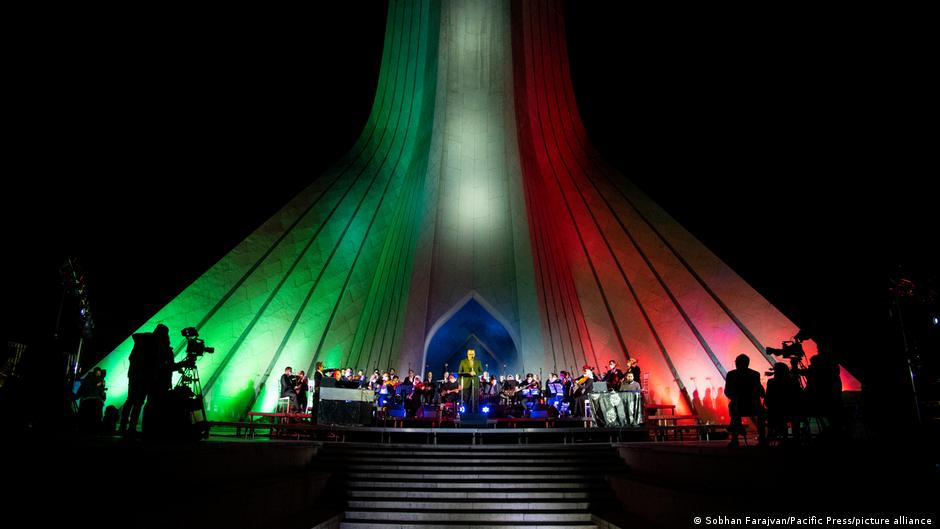
The return of Iranian musicians Bijan Mortazavi and Mohsen Namjoo to Iran highlights the complex relationship between art, politics, and resistance within the country. Mortazavi, a celebrated violinist, returned after 47 years abroad, generating a warm reception from the public. In contrast, Namjoo, known for his experimental blend of traditional Persian music with various genres, had been in exile for 20 years following a controversial prison sentence.
Iran’s cultural landscape has long been fraught with restrictions, especially since the 1979 revolution, which targeted music and artistic expression. While the government has created pathways for expatriate artists to return, this does not guarantee freedom of artistic expression within Iran. Art has historically been a means of resistance against the state, with musicians and artists finding ways to express dissent despite oppressive measures.
Recent developments indicate a revival of music as a form of protest, particularly among families of victims from mass protests. Music has transformed into a powerful vehicle for collective mourning and social commentary, challenging traditional expressions tied to religious norms. This evolution reflects the ongoing struggle for freedom and expression in Iran, as younger generations leverage social media to assert their identity and push back against restrictive norms.