The Shift Toward Experiential Luxury in Travel
The Rise of Experiential Luxury
Luxury has always aligned with evolving desires. Recent insights from Euromonitor’s 2025 World Market for Luxury Goods report highlight experiential luxury as the fastest-growing segment, projected to hit $103 billion. Affluent travelers are now seeking superior experiences across all life facets, including areas traditionally excluded from the travel conversation.
Retail as a Modern Travel Experience
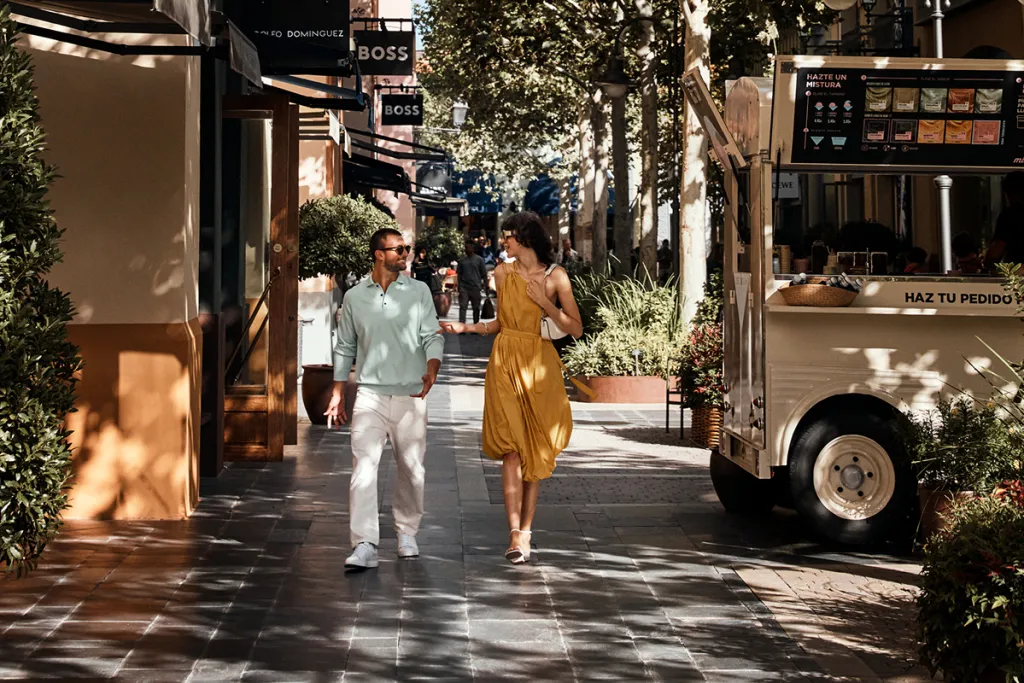
Experiential retail is emerging as a crucial component in luxury travel. A report by Visa indicates that retail can account for over half of affluent spending abroad, yet it often remains sidelined in travel discussions. Elena Foguet, Chief International Business Officer at The Bicester Collection, emphasizes that retail should be a point of cultural engagement, reshaping how travelers experience destinations.
Discoveries Through Retail
Travelers today—the art enthusiasts at Museo Ferrari and shoppers discovering independent designers in Paris—hunger for the thrill of discovery. The experience itself often outweighs the product.
Partnership for a New Perspective
Recognizing the value of discovery, Virtuoso and The Bicester Collection have partnered to integrate retail into travel itineraries. Matthew Upchurch, Virtuoso CEO, shares his change of heart regarding shopping in luxury travel after witnessing its potential for deepening destination experiences.
Personalized Luxury Through Human Connections
What sets luxury travel apart is its personal touch. Travelers increasingly seek judgment from advisors who understand their preferences and the best way to enhance their journey. As technology evolves, the distinction between authentic experiences and algorithm-driven recommendations becomes sharper.
Redefining Expectations in Retail
High expectations, traditionally tied to hospitality, are now influencing the retail experience at The Bicester Collection. Their commitment to Unreasonable Hospitality underscores their adaptation of five-star service standards, providing personalized shopping experiences and cultural engagement.
Economic Implications of Experiential Retail
Experiential retail not only enriches visitor engagement but also benefits local economies. The Bicester Collection illustrates that mindful retail can stimulate tourism beyond urban centers, offering a holistic impact across communities.
Embracing Retail in Itineraries
Travel advisors should assess their itineraries through the lens of discovery and connection rather than routine. With evolving economic dynamics, the true value of advisors lies in their human touch and ability to foster meaningful experiences.
Conclusion
The luxury travel industry must recognize the profound relevance of experiential retail, reframing its role in creating meaningful travel experiences. As high-net-worth travelers gravitate toward investments that support local culture, the industry must adapt—shaping their strategies to include retail experiences that resonate with discovery and connection.
For more insights on partnering opportunities, visit The Bicester Collection.