The International Energy Agency’s (IEA) September outlook reveals the fragility of energy markets, particularly in the Gulf region. Oil supply is forecasted to drop by 5.7 million barrels per day by 2026 due to ongoing tensions between the U.S. and Iran and disruptions in maritime shipping. Concurrently, LNG exports from Qatar and the UAE have decreased significantly, highlighting vulnerabilities in global energy supply chains.
Industries reliant on natural gas for process heat are facing escalating supply risks, particularly after disruptions in the Strait of Hormuz led to soaring gas prices in Asia and Europe. For instance, Qatar’s largest aluminum producer, Qatalum, halted operations due to gas supply warnings, underscoring the dangers of heavy reliance on external natural gas sources.
To mitigate these risks, industries are encouraged to rethink their heat production strategies. Shifting to technologies like clean solar industrial steam can provide insulation from supply shocks. Solar options, like long-term steam purchase agreements, allow for predictable pricing and economic stability over time.
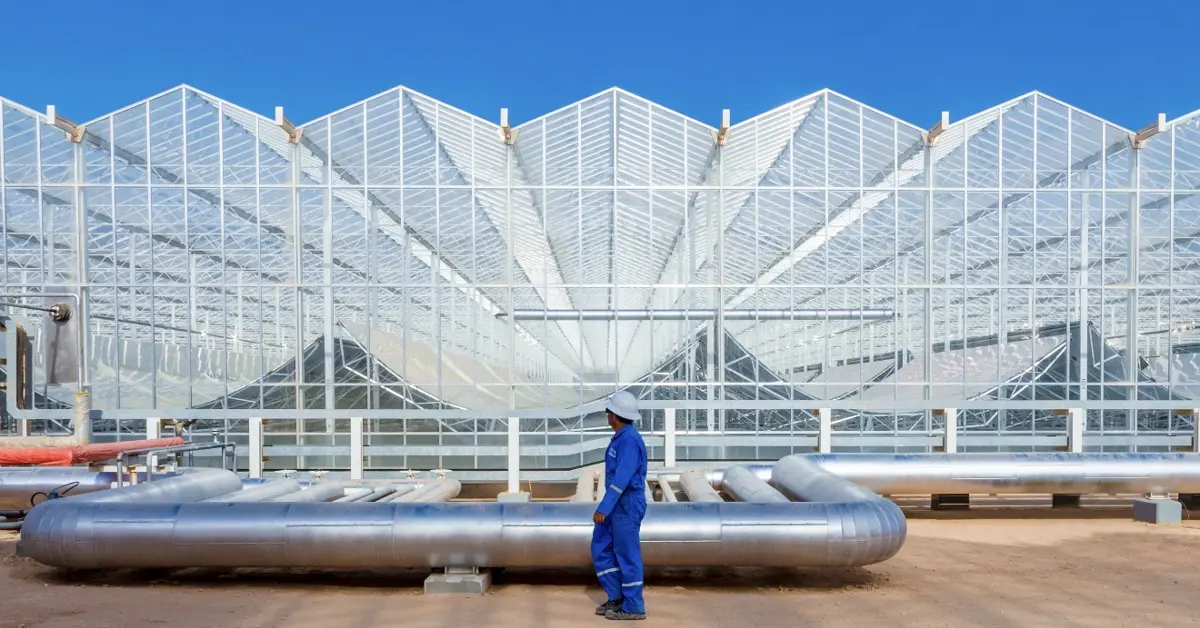
In areas with ample sun, solar steam becomes increasingly cost-effective compared to natural gas as gas prices rise, offering an economic advantage and preserving gas for other high-value uses. Proven technology like the Miraah facility in Oman demonstrates the viability of solar steam in industrial settings.
As energy security becomes a pressing topic at events like ADIPEC 2026, it’s vital to recognize the importance of innovative heat production methods. Embracing clean solar technology not only addresses supply stability but also aligns with sustainability goals, marking a significant shift in energy discourse.


