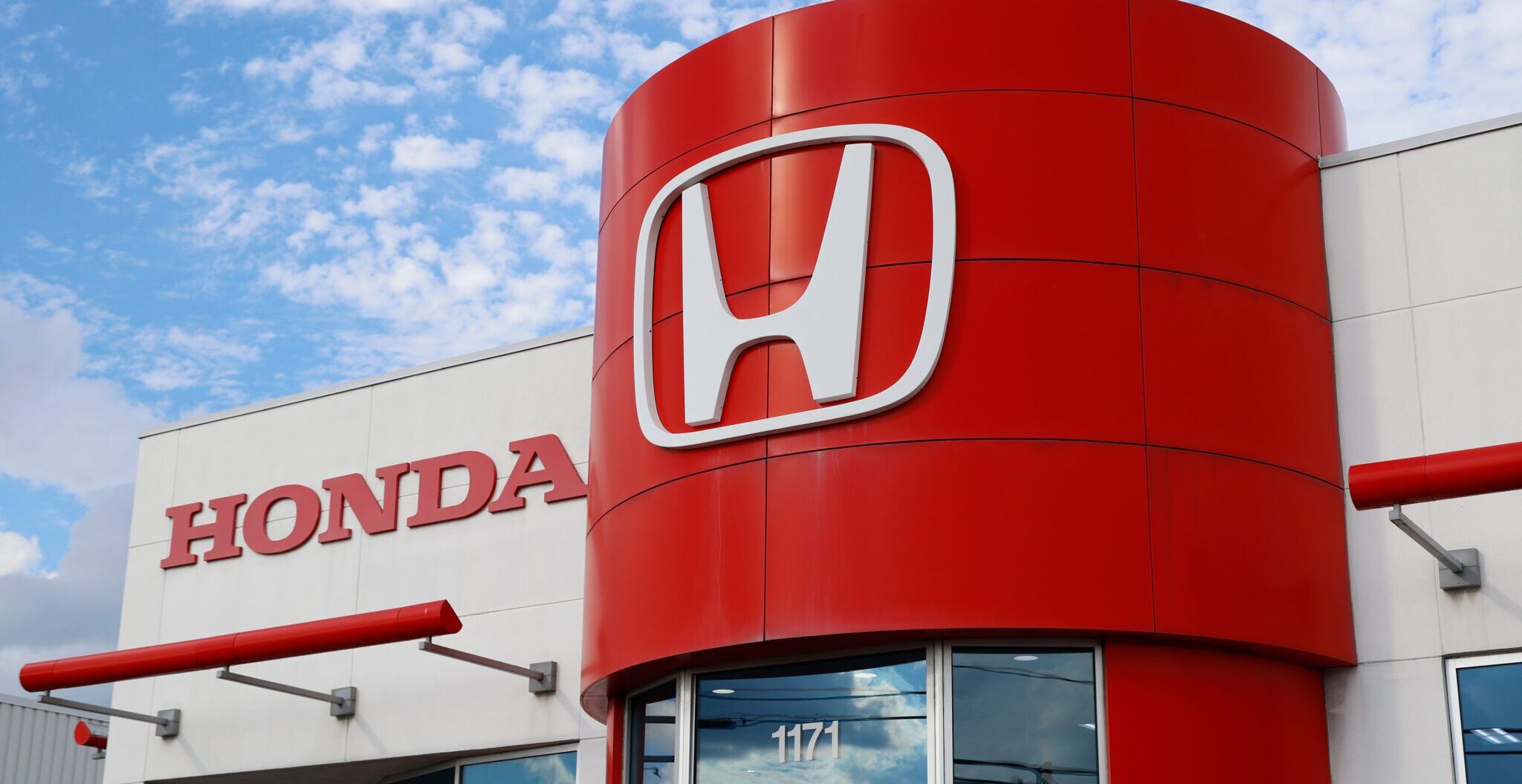
Honda’s recent shift in India marks a significant change in its operational strategy. By partnering with Tata Technologies for car development, Honda aims to cut costs by up to 20% and reduce development times from five years to around two and a half. This move comes as a response to a dramatic drop in Honda’s market share from 7.3% to just 1.3% over the past decade.
The decision reflects internal tensions between Honda’s Japanese management, who preferred established suppliers for quality assurance, and the Indian team, which sought local suppliers for cost efficiency. Despite Honda denying any significant internal disagreements, they admitted to not providing a value-for-money lineup for Indian customers.
Tata Technologies was chosen for its local supplier access and insight into consumer preferences, while Honda retains exclusive control over quality, technology, and advanced driver-assistance systems (ADAS). The first model, a sub-compact SUV, is expected in 2028, followed by a midsize SUV and an effort to revive Honda’s sedan segment.
Currently, Honda offers only four models in India and lacks a strong presence in the lucrative SUV market, where competitors like Tata Motors and Mahindra have gained ground. Honda’s existing models have been perceived as overly engineered and expensive, prompting the need for a business model revamp.
This reset is part of a broader strategy, as Honda faces over $12 billion in anticipated losses related to electrification and plans a shift towards hybrids, aiming for over $9 billion in cost savings over four years. With India being a crucial market for Honda, the success of the upcoming SUV may determine the company’s future in the region.
However, the collaboration with Tata Technologies also presents challenges, as it involves working with a rival that has been gaining market share. Even with the anticipated faster development cycle, Honda may still lag behind more agile competitors, particularly from China.
Ultimately, the 2028 SUV will be a critical test for Honda to prove it can adapt to local demands and effectively compete in India, where merely matching competitors on price and features may not suffice to regain relevance.

