Protecting Lunar Heritage: Ensuring the Moon’s Historical Significance
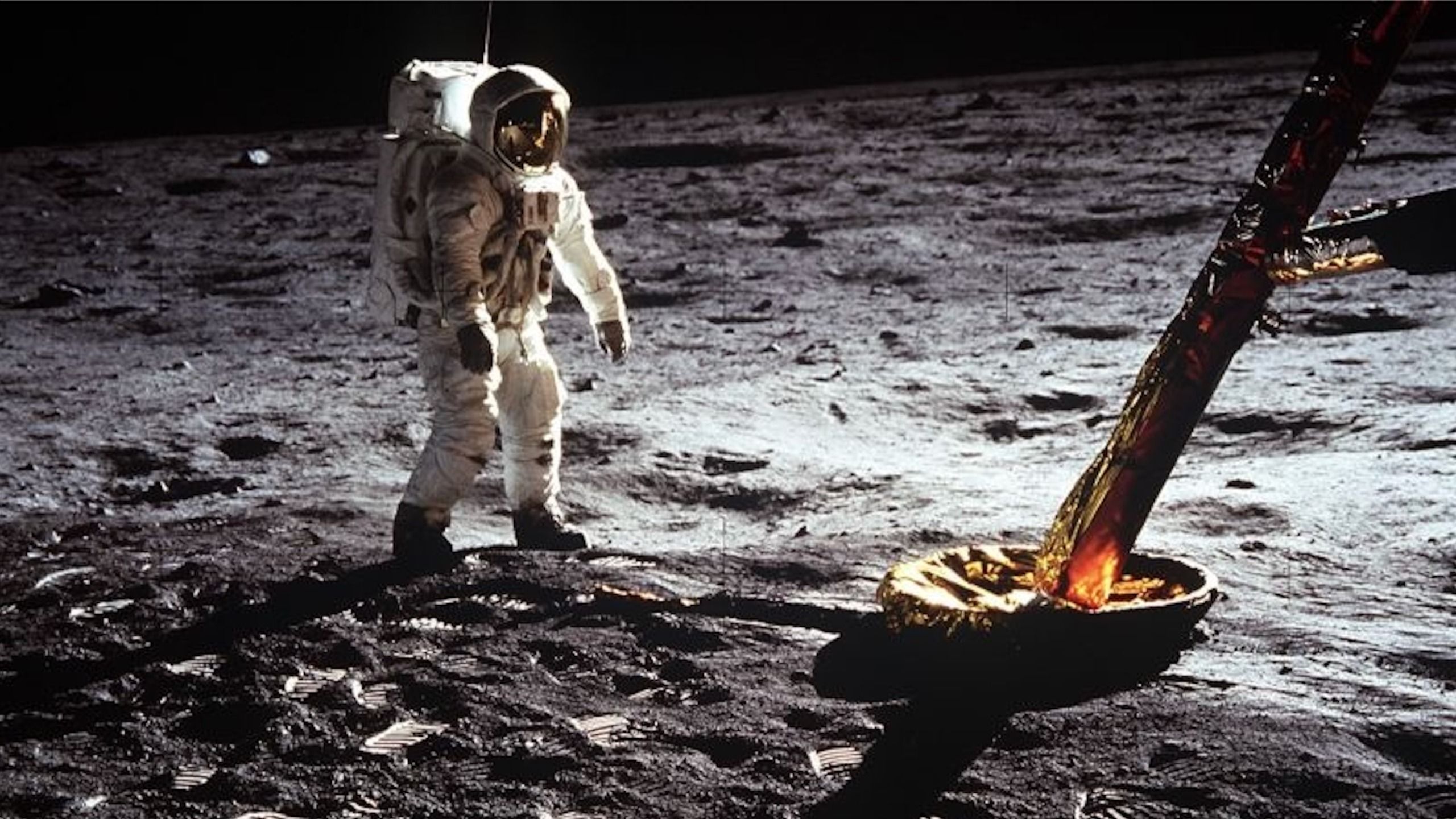
The moon stands as a testament to human exploration, dotted not only with robotic landers but also with footprints from the Apollo missions. Recently, an assembly in Italy involving the International Scientific Committee on Aerospace Heritage (ISCAH) emphasized the importance of safeguarding this celestial heritage as lunar activity increases.
Rising Risks from Spacecraft Impact
With the aftermath of a SpaceX Falcon 9 crash on the moon, concerns were raised about the consequences of deorbiting satellites and rocket stages, which can lead to problematic impact scenarios. Increased lunar traffic necessitates controlled disposal strategies, as random crash landings could destroy significant historical sites.
Limited Understanding of Impact Consequences
Luca Forassiepi of ISCAH highlighted a gap in knowledge regarding the results of these impacts, stating that current information largely relies on simulations. The limited real-world cases observed leave experts with an incomplete understanding of the potential damages that could arise.
Cultural Preservation Challenges
According to Alice Gorman, an archaeologist, the moon’s airless environment creates unique challenges, particularly with its abrasive dust degrading surviving artifacts. Sites like the Apollo 11 landing zone face immediate threats from ongoing lunar missions, pushing the need for careful management of historical relics. A strong incentive exists for space industries to mitigate damages to both existing heritage sites and future operations.
Addressing End-of-Life Missions
Gorman noted that with 51 impacts recorded on the moon, these craters are evolving from being mere archaeological sites to environmental hazards. Under existing international frameworks like the Outer Space Treaty, there’s a legal obligation to address damages caused by space debris.
Cultural and Scientific Significance
As Beth O’Leary remarked, the moon belongs to Earth’s cultural landscape, necessitating global efforts to protect its heritage. In light of anticipated increases in lunar activities by nations such as the US and China, ISCAH’s mission focuses on understanding risks of impact and preserving the moon’s unique cultural resources.
The Path Forward
Through ongoing discussions and research, ISCAH aims to establish internationally recognized guidelines by 2027, fostering a sustainable future for lunar exploration while ensuring protection for significant historical artifacts. The ultimate goal is to maintain this heritage for future generations, recognizing its irreplaceable value in our collective history.
The dialogue surrounding lunar heritage is intricate and multifaceted, blending scientific inquiry, legal frameworks, and cultural values in the hopes of averting potential losses that could emerge from the rush for lunar exploration.


