Understanding Thunderstorm Anxiety in Pets
Many pet owners have witnessed their calm companions suddenly become anxious when dark clouds roll in and thunder begins to rumble. Thunderstorm anxiety can manifest differently among breeds, species, and individual personalities, ranging from mild to severe reactions that warrant closer attention.
Dr. Erin Ray, a clinical assistant professor at Texas A&M College of Veterinary Medicine & Biomedical Sciences, emphasizes the importance of recognizing anxiety behaviors and taking proactive measures before storms arrive to better support pets and reduce their overall anxiety.
Symptoms of Storm Anxiety in Cats and Dogs
Common signs of storm anxiety include:
- Pacing
- Hiding
- Whining
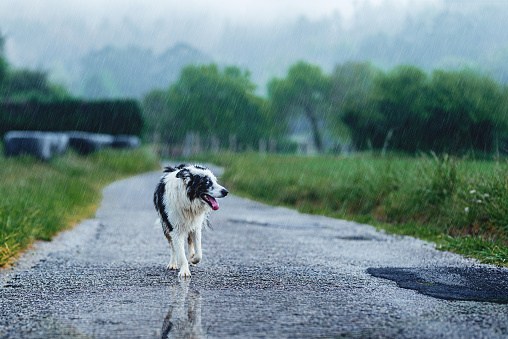
- Panting
- Unusual body posture
Additionally, pets may experience gastrointestinal distress, such as:
- Refusing to eat
- Vomiting
- Loose stools
These symptoms indicate significant stress, and Dr. Ray notes that many pets can sense weather changes before humans do.
Helping Your Pet Feel Safe
To mitigate anxiety, the most effective approach is to tailor treatment to the individual pet. Strategies include:
- Pressure Wraps: Use compression jackets that create a sensation similar to being hugged.
- Positive Reinforcement: Spend time with your pet and reward calm behavior with treats.
- Pheromones: Utilize pheromone diffusers or sprays designed for dogs and cats.
- White Noise: Play white noise or calming music during storms.
Dr. Ray advises introducing storm sounds to puppies and kittens gradually, associating them with positive experiences like mealtime and playtime. This helps pets connect storm sounds with comfort rather than fear.
Anxiety That Requires Additional Support
In severe cases, storm anxiety may lead to respiratory distress or trigger seizures. If this occurs, it’s essential to consult a veterinarian to develop a treatment plan, possibly incorporating medication. It’s crucial not to share medications between pets or use human medications without veterinary advice, as dosages vary greatly.
Advice for Owners
Understanding your pet’s typical responses during thunderstorms helps in preparation. If your pet seeks comfort, providing treats and reassurance can foster a positive association and reduce stress-related behaviors. Dr. Ray recommends starting with non-medication strategies. However, if severe symptoms arise, consult a veterinarian.
Finding the right treatment plan can be a time-consuming process, and each pet may respond differently. Medication should complement other behavioral strategies rather than replace them. By recognizing early signs of anxiety, creating positive experiences, and working with a veterinarian when needed, pet owners can help their animals navigate storms with greater confidence and comfort.
For more insights, visit Texas A&M University – Pet Talk.