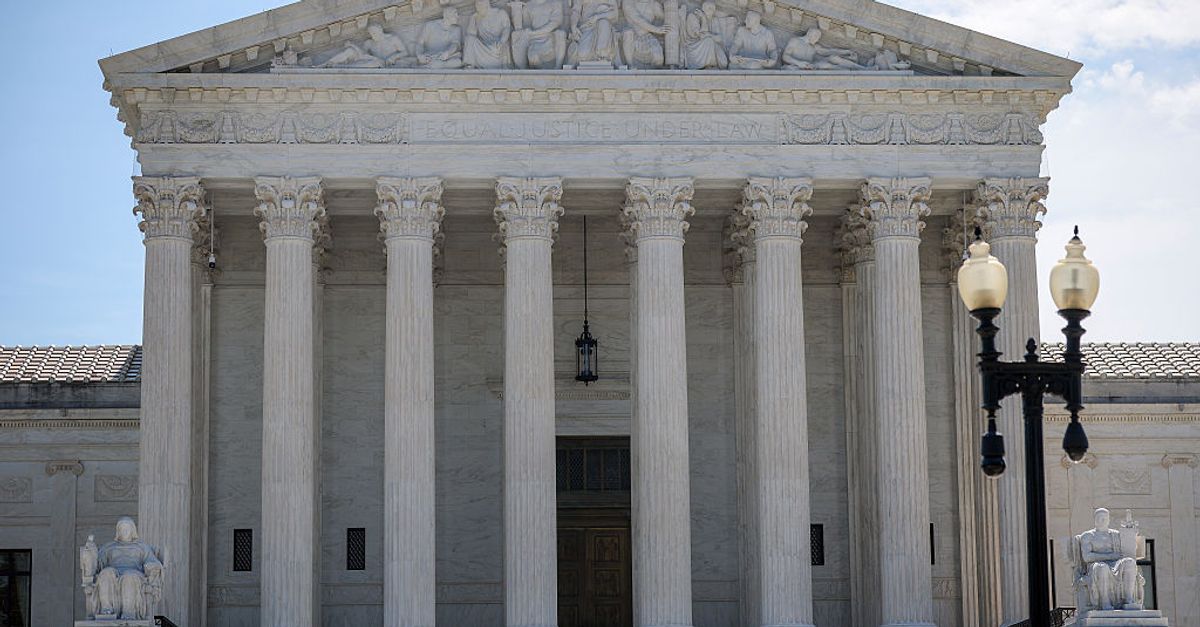
The Supreme Court recently heard arguments in a significant climate change lawsuit from Boulder, Colorado, targeting Suncor Energy and ExxonMobil for their alleged contributions to climate change. The case, Suncor Energy Inc. v. County Commissioners of Boulder County, revolves around whether federal law prohibits Boulder’s claims against these energy companies, which seek compensation for climate-related damages.
Boulder argues that the companies have misled the public and contributed to climate change through their fossil fuel operations. After attempts to move the case to federal court failed, a Colorado state trial court allowed the claims to proceed, which the Colorado Supreme Court upheld.
During the hearings, energy company representatives claimed that allowing Boulder’s lawsuit could set a precedent for state laws regulating conduct outside their borders. Chief Justice John Roberts questioned this stance, highlighting that state lawsuits often arise from out-of-state conduct with significant local impacts. Justice Elena Kagan drew parallels to historical lawsuits against tobacco and opioid manufacturers, which were upheld despite federal law concerns.
In contrast, Justice Brett Kavanaugh advocated for the energy companies, suggesting federal law should govern interstate pollution claims. Other justices expressed worries about the potential flood of similar lawsuits if Boulder prevails, asking about limits on who could be sued by states for climate-related damages.
As the justices deliberated, they briefly considered whether they even had the authority to hear the energy companies’ appeal, a topic that received limited discussion. The outcome remains uncertain, and a potential 4-4 tie due to Justice Samuel Alito’s recusal could affirm Boulder’s claims, allowing the case to proceed.


