Review of A Statement
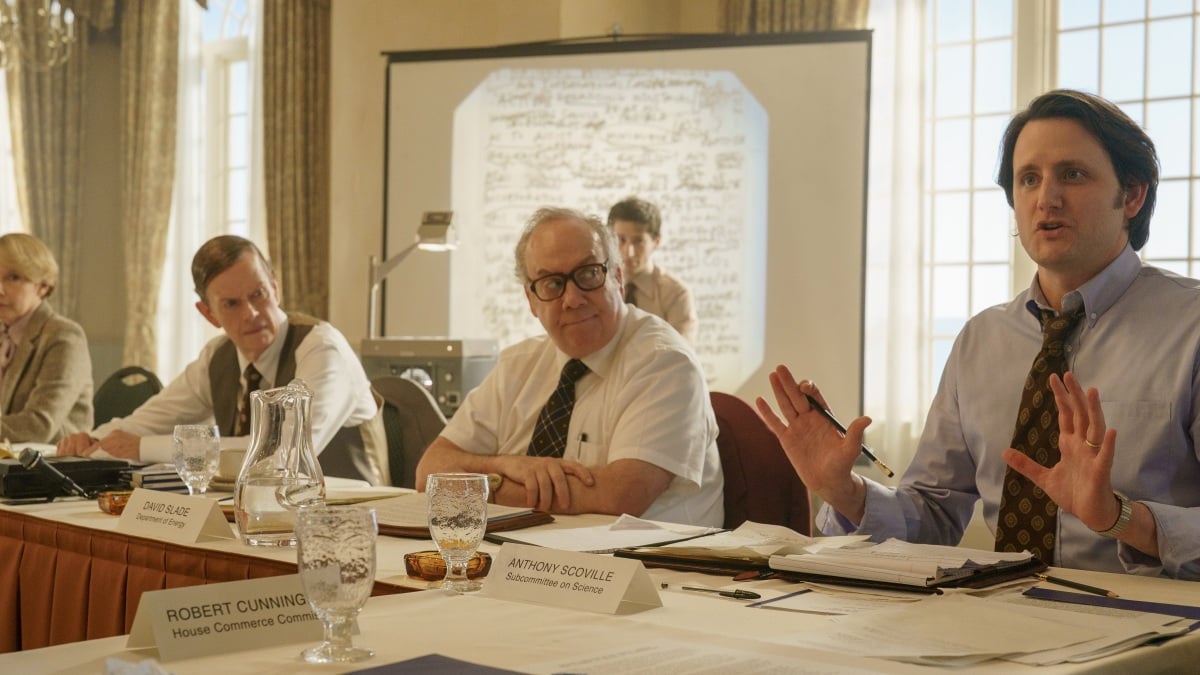
Director Tom McCarthy’s film A Statement immerses viewers in a pivotal 1980 meeting concerning climate change, where participants are grappling with the critical question: “Do we care?” The film is based on Nathaniel Rich’s book Losing Earth and offers a documentary-like exploration of humanity’s struggle to confront impending environmental disasters.
Confronting the Climate Crisis
Throughout the conference at the Don CeSar hotel in Florida, the disconnect between the attendees’ understanding of climate change and the reality of the situation is palpable. Characters like meteorologist John Perry downplay the risk, suggesting superficial solutions—such as relocating government operations to higher ground—as the conference unfolds. This cognitive dissonance evokes frustration for viewers aware of the urgency posed by climate change today.
Cinematic Presentation
McCarthy’s use of verbatim transcripts grounds the narrative in historic accuracy while creating tension through the performances of its ensemble cast. Paul Rudd’s portrayal of moderator Tom Jorling embodies a stress-laden mediator balancing differing views, while John Turturro shines as David Rose, interspersing humor with dire historical anecdotes about civilizations failing to act.
The cinematography by Stuart Dryburgh alongside Jane Rizzo’s editing elevates what could have been a dry discussion into an engaging experience, with powerful moments punctuated by a drum-heavy score from Bryce Dessner, enhancing the film’s urgency.
Gender Representation
Despite the strong performances by Amy Ryan and Tatiana Maslany, who hold significant roles as public health and law experts, the film mirrors the male-dominated reality of the conference room, with their voices often relegated to the sidelines. McCarthy’s direction subtly emphasizes their struggle to be heard in a largely patriarchal environment.
A Call for Urgency
While A Statement captures the complex dynamics of the meeting, it falters in moments where it strays from the actual transcripts. Some contrived scenes, like an interlude at a wedding, dilute its impact. The frustration grows as the film’s conclusion offers less of a critique on inaction and more of a resigned acceptance to the status quo, reflecting ongoing issues in modern discussions about climate change.
Conclusion
A Statement is a thought-provoking film that artfully combines real historical dialogues with compelling cinematic storytelling. Although it ultimately resonates with the present-day climate crisis, its cautious approach leaves viewers hoping for a more impassioned exploration of the urgency surrounding environmental action. With its world premiere at the New York Film Festival, it will be released later, promising to spark discussions as timely as its subject matter.