Revolutionizing Access to Space: World Space Week 2026
For decades, access to space has been a costly and controlled domain dominated by powerful nations and large defense organizations. However, the landscape is transforming rapidly. Key advancements in reusable rockets, private launch companies, and manufacturing techniques are significantly reducing the costs of reaching orbit. This shift is democratizing space access for a broader spectrum of countries, companies, universities, and researchers.
World Space Week 2026, observed from October 4 to 10, celebrates this transformation under the theme ‘Rocket Revolution.’ This event commemorates two historic milestones in space exploration: the launch of Sputnik-1 on October 4, 1957, and the Outer Space Treaty coming into force on October 10, 1967.
The ‘Rocket Revolution’
The focus of this year’s theme extends beyond advancements in launch speed and vehicle size. It involves a comprehensive reshaping of satellite deployment frequency, commercial space activities, and exploring its potential for Earth observation and communications.
The World Space Week Association (WSWA), in collaboration with the United Nations Office for Outer Space Affairs (UNOOSA), selects the annual theme. Past themes included “Space and Sustainability” (2022) and “Living in Space” (2025). The current theme emphasizes major advancements in propulsion, launch infrastructure, and manufacturing that reduce barriers to orbital access.
Innovations Driving Access
Multiple technological advancements are propelling this change:
- Reusability: Commercial companies have made strides in developing vertical takeoff and landing (VTOL) systems, transforming rockets into reusable vehicles.
- Heavy-lift Rockets: Next-gen vehicles like SpaceX’s Starship can transport over 100 metric tonnes, paving the way for missions to the Moon and beyond.
- Small Satellite Launchers: New small launch vehicles enable universities and developing nations to deploy CubeSats and nanosatellites efficiently.
- Eco-friendly Propulsion: Innovations like 3D printing and research into non-toxic fuels aim to decrease production time and minimize environmental impact.
These advancements are ushering in modern satellite constellations, real-time broadband, and interplanetary exploration.
The Role of Private Companies
As rocket launches become faster and more frequent, the landscape of space exploration has shifted. While government efforts once dominated, private enterprises now play a significant role in propelling new industries, investments, and innovations. The implications of this ‘Rocket Revolution’ extend beyond a few nations; space is becoming accessible for students, researchers, and entrepreneurs globally.
India’s Contributions to Space Exploration
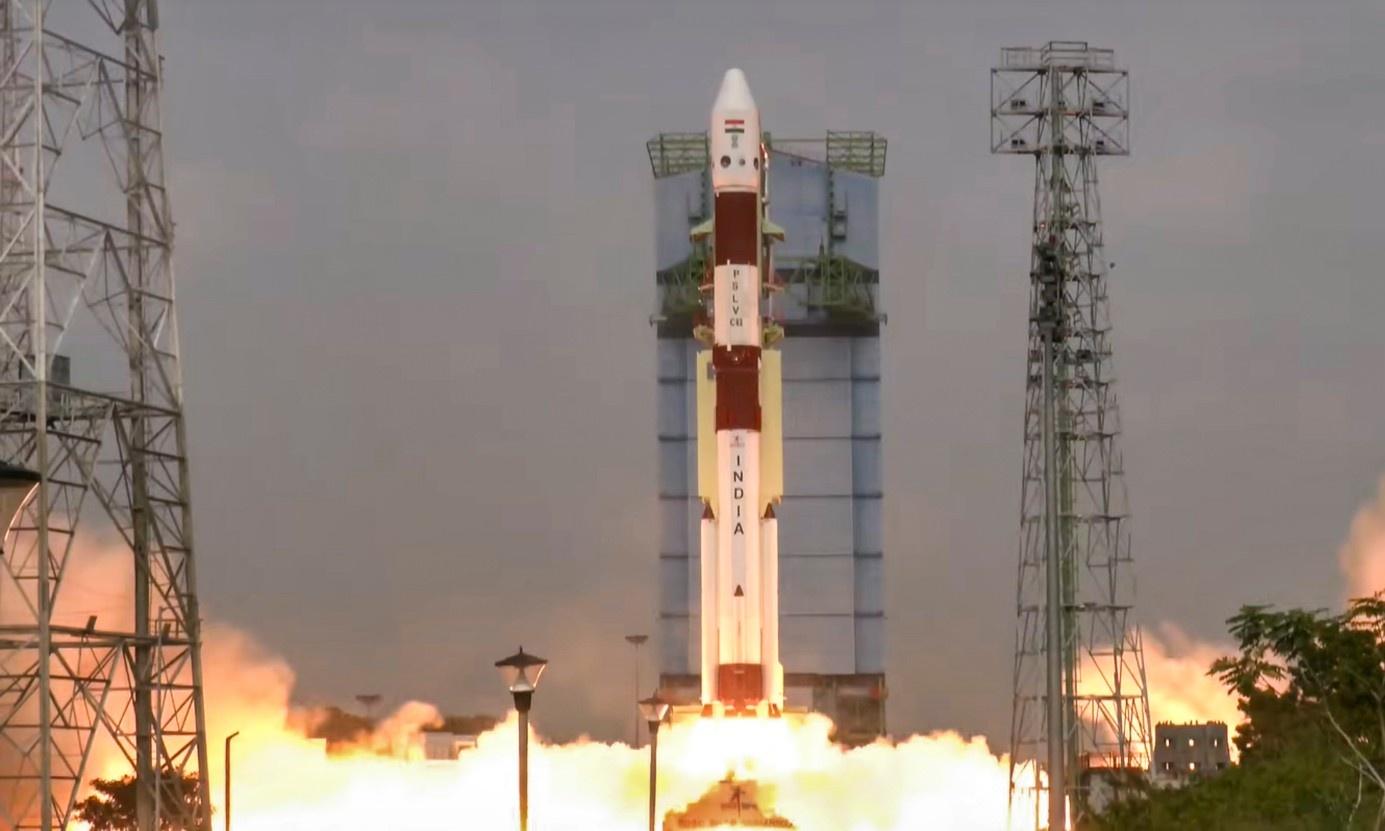
India has made notable strides in its space sector, with organizations like ISRO and emerging private firms providing reliable, cost-effective launch solutions. The Satish Dhawan Space Centre at Sriharikota is pivotal in these efforts;
- Chandrayaan-3: India’s recent mission landed near the Moon’s south pole, marking a significant achievement.
- Mars and Solar Missions: The Mars Orbiter Mission (Mangalyaan) and the Aditya-L1 solar mission highlight India’s scientific milestones.
- Commercial Successes: India’s PSLV rockets have facilitated the launch of hundreds of foreign satellites, showcasing affordable space services globally.
Future Prospects
The ‘Rocket Revolution’ opens avenues for Moon, Mars, and deep space exploration. However, challenges like space debris and environmental concerns must be addressed with responsibility.
Educational Opportunities
World Space Week serves as a pedagogical platform. Through lectures, exhibitions, and competitions, it allows students to delve into space science and even witness rocket launches. Opportunities abound for young participants, emphasizing that space knowledge is not confined to scientists alone, as many daily technologies stem from space science.
World Space Week is a celebration of global science, fostering the belief that understanding space can benefit humanity as a whole.


