Experiential Marketing in Beauty Brands
Overview
In recent years, beauty brands like Haus Labs, rhode, and Fenty Beauty have embraced experiential marketing to create engaging retail environments that do more than showcase products—they invite customers to participate in a memorable experience. This tactic not only enhances customer engagement but also paves the way for actual sales.
Coffee, Shade Matching, and Consultation
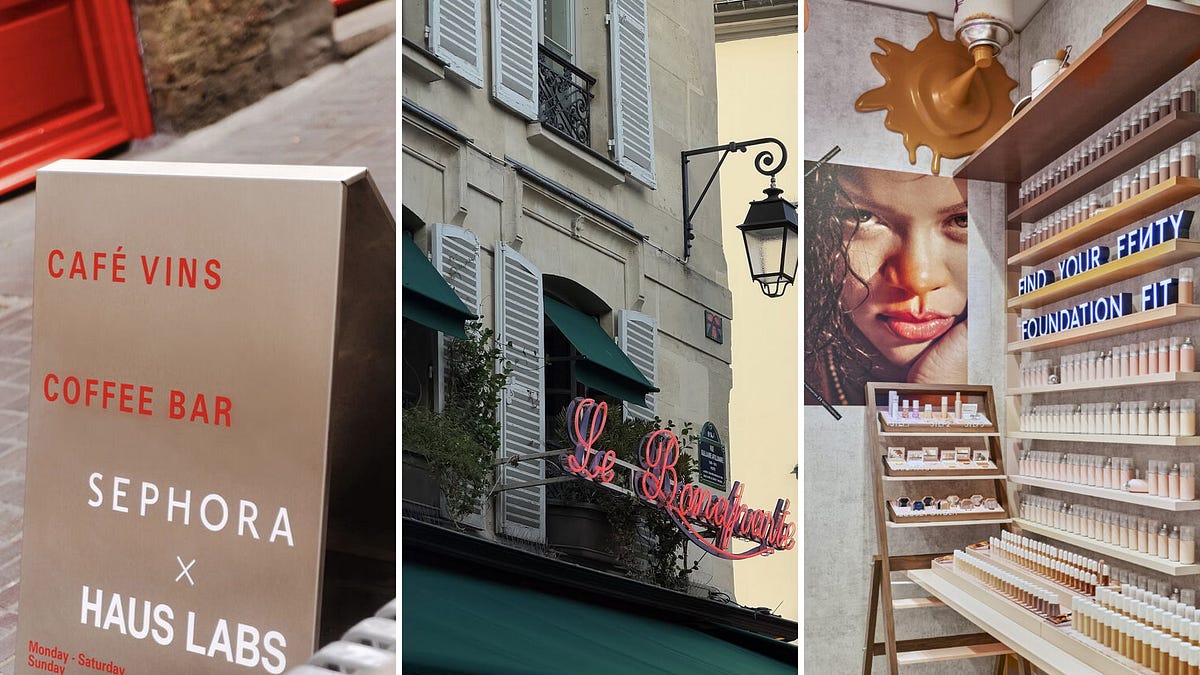
A prime example is Haus Labs, which launched its Complexion Café at Café Vins in London. The event featured shade consultations along with complimentary coffee, allowing customers to relax while they tried products. This setup aimed to reduce uncertainty about finding the right shade, thus aiding in the purchasing process.
The Role of Retail Proximity
By situating these cafés near retail locations, the brands provide a seamless transition from experiential engagement to purchase. The café experience serves as a space for product trials while directly linking to a nearby retail store, encouraging immediate purchasing after the experience.
Other Notable Activations
- rhode, launched by Hailey Bieber, had similar success with its café rhode at Le Bonaparte in Paris, enhancing its new Sephora rollout with an engaging local experience tailored to the city.
- Fenty Beauty, known for its inclusive range, also capitalized on this model, ensuring that each activation is distinct yet delivers an elevated shopping experience.
Conclusion
These brands exemplify how experiential marketing can integrate into the sales funnel, transforming customer interactions into sales opportunities. Creating experiences that resonate with consumers not only builds brand loyalty but also drives conversion in a competitive retail landscape.