The State of High-Speed Rail in America
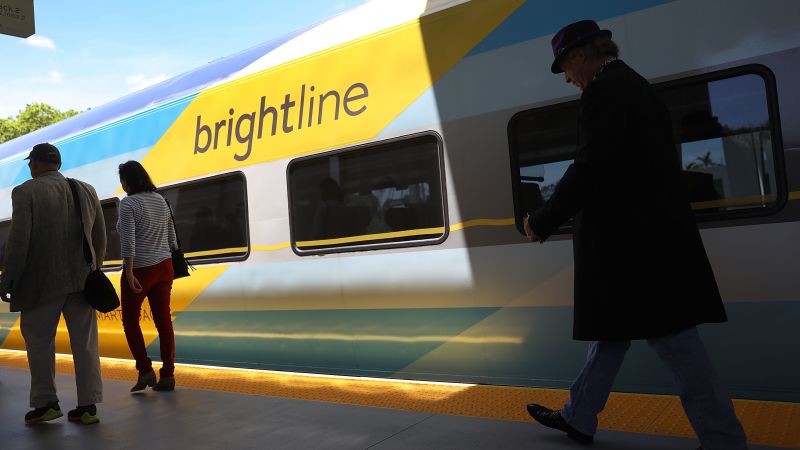
American railroads were once the envy of the world, driving the industrial age. However, this reputation has faded over the last fifty years. Brightline, founded in 2012, aimed to revitalize this by operating high-speed rail services between Miami and Orlando. The company even plans to launch a line with trains reaching speeds of 200 mph from Las Vegas to Rancho Cucamonga, California.
Despite these ambitions, Brightline filed for bankruptcy last month due to insufficient revenue to cover its debts. Nonetheless, it continues to operate its Florida service and is proceeding with its high-speed plans in California.
Globally, high-speed passenger rail is widely available, with countries like Japan, France, and China leading the way. In stark contrast, the United States lacks any passenger trains that meet the international standard for high-speed rail, defined as trains that can run at least 150 mph for long distances.
Challenges Faced
Several factors contribute to this lack of high-speed rail in the U.S. Culturally, America is a car-centric society. The primary challenge, however, is the insufficient government investment in rail infrastructure. According to Lou Thompson, a prominent advocate for high-speed rail, other countries have prioritized rail investment while the U.S. has focused on highways and air travel.
Thompson notes that while foreign governments actively sought to fund high-speed rail, the U.S. has not met these conditions, opting instead to support industries like auto, oil, and aviation.
Geographically, the U.S. poses unique hurdles; its vast size means major cities are often far apart. Thompson also added that in the U.S., air travel becomes the faster option for distances greater than 400 miles, limiting the feasibility of high-speed rail.
Future Prospects
Looking ahead, America has a few options for enhancing rail service. Amtrak’s NextGen Acela is capable of reaching 160 mph, but it can only maintain those speeds for limited stretches. Brightline’s Miami to Orlando route reaches 125 mph, but only during a specific segment.
Despite its struggles, Brightline has seen a 16% increase in ridership, with 1.8 million passengers in the second quarter. Its bankruptcy filing may ultimately help by alleviating some debt, and the company has claimed it won’t result in lost tax dollars.
Publicly funded projects, like the California high-speed rail, face significant delays and budget overruns, with some experts claiming they have hit a “dead end.”
Advocates like Andy Kunz maintain hope that successful projects like Brightline could pave the way for more high-speed rail services across the country. Nonetheless, significant government support is seen as essential for realizing the full potential of high-speed rail, given its broader social benefits, including reduced pollution and improved safety.


