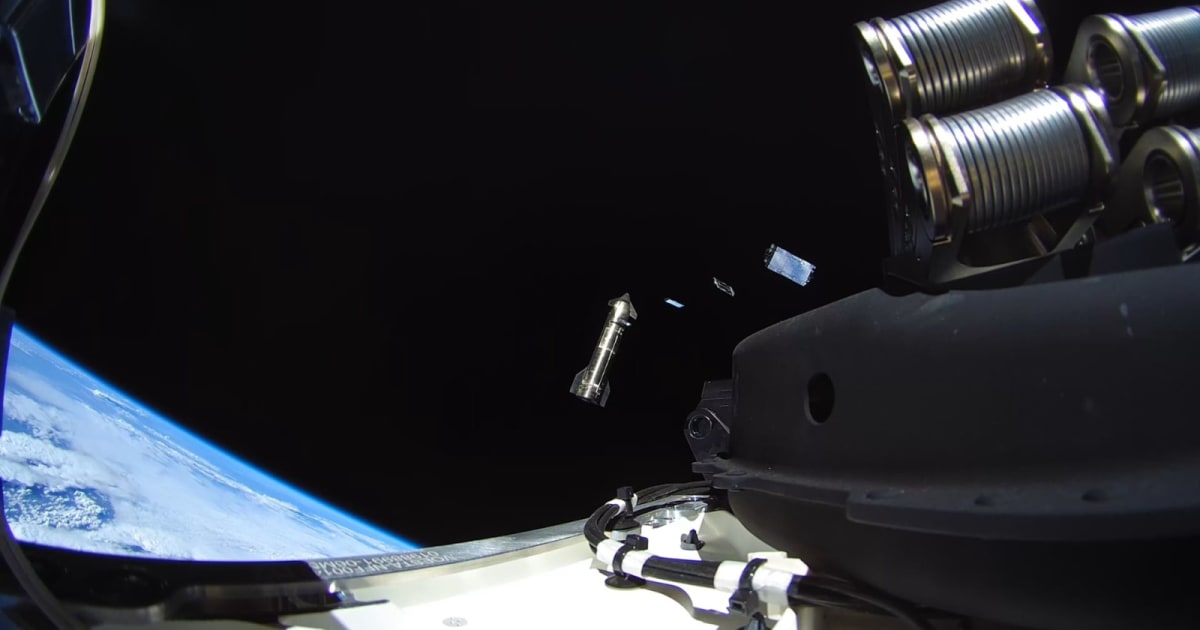
SpaceX’s Starship Achieves Milestone: Launch and Deployment of 26 Starlink V3 Satellites
On September 28, SpaceX’s Starship successfully completed its debut orbital mission. This mission marked a significant milestone as it deployed 26 Starlink V3 satellites into orbit. The deployment occurred approximately 25 minutes post-launch from SpaceX’s Starbase in Texas, facilitated by the upper stage, designated Ship 41.
Key Highlights of the Mission
- The mission achieved multiple firsts, including the first deployment of Starlink V3 satellites.
- SpaceX shared a stunning onboard camera image of the satellite deployment sequence shortly after the launch.
- Notably, three onboard cameras were specifically designed to capture imagery of the upper stage’s heatshield during its journey through space.
“Starship’s first orbital flight delivered 26 Starlink V3 satellites to space,” tweeted SpaceX.
Enhancements in Bandwidth
The newly deployed Starlink V3 satellites are anticipated to deliver over 100 times the bandwidth compared to the existing Starlink constellation, which consists of around 11,000 satellites. With a projected increase of 26 Tbps in capacity, these satellites will significantly enhance the overall performance and reach of Starlink services.
Overview of Starship Flight 14
The rocket launched at 7:48 am CDT, encountering a brief setback due to an early shutdown of one of its 33 Raptor engines during ascent but still managed successful stage separation.
- Following the hot-staging procedure and the separation of Ship 41, critical maneuvers were executed for a planned splashdown in the Gulf of America.
- However, the booster could only relight 31 engines during the boostback burn, successfully reigniting 11 out of the 13 engines needed for the landing burn.
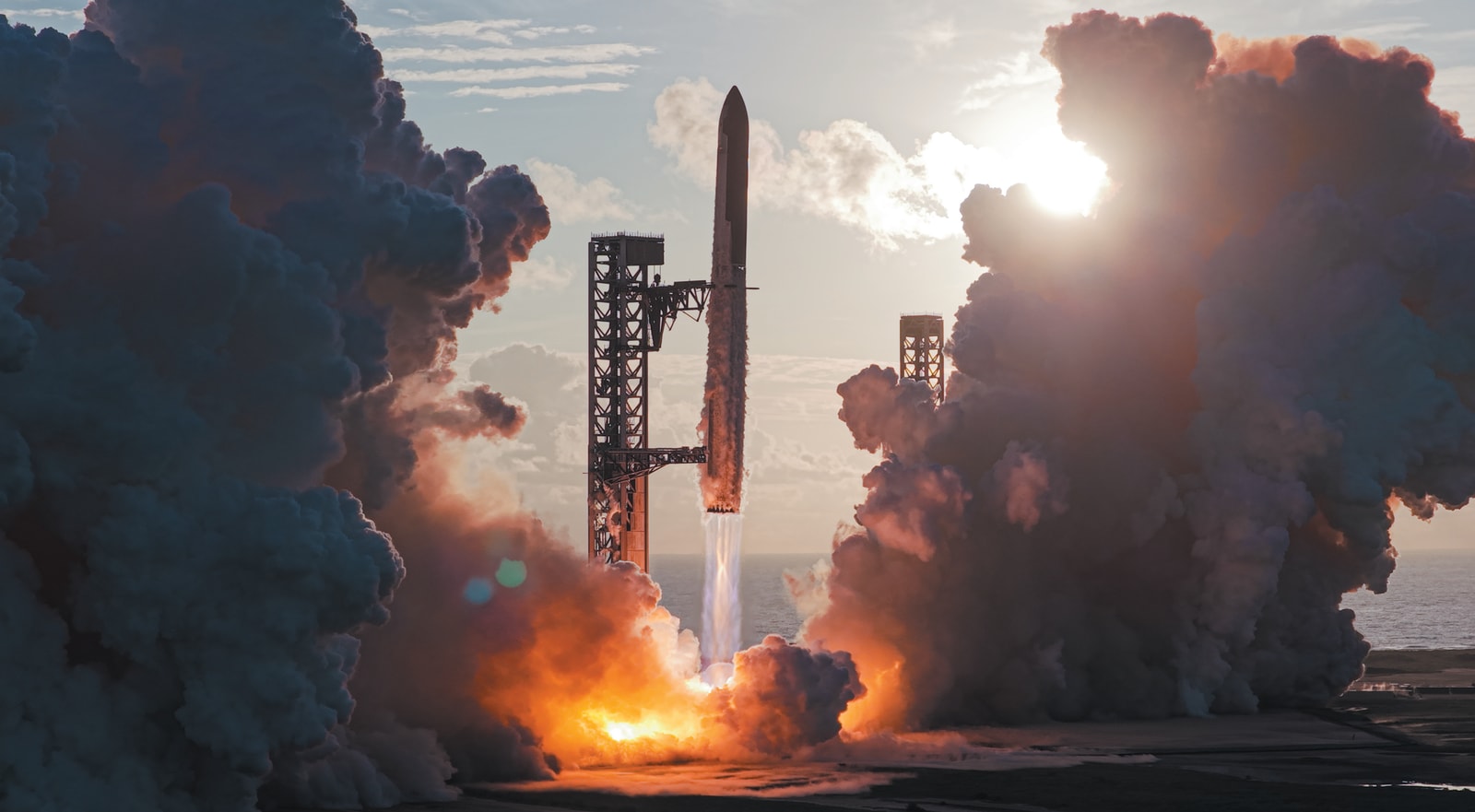
SpaceX’s Starship rocket lifting off from Starbase, Texas, on September 28, 2026. — (Image Source: SpaceX)
Challenges Encountered
Both stages of the rocket faced various issues:
- The upper stage experienced an early shutdown of one Raptor vacuum engine, leading to longer-than-intended burns to achieve an orbit.
- Once confirmed healthy, the remaining engines performed the orbit insertion burn, allowing Ship 41 to enter orbit around Earth.
After successful satellite deployment, contact was established through various communication methods within days.

Onboard camera views during ascent on September 28, 2026. — (Image Source: SpaceX)
Conclusion of the Mission
Originally scheduled to last 10 hours and encompass six Earth orbits, the mission terminated three hours post-orbit due to operational decisions, resulting in a dramatic descent into the northern Pacific Ocean.
For more detailed insights and visuals from this historic flight, visit Starlust’s coverage on Starship Flight 14.


