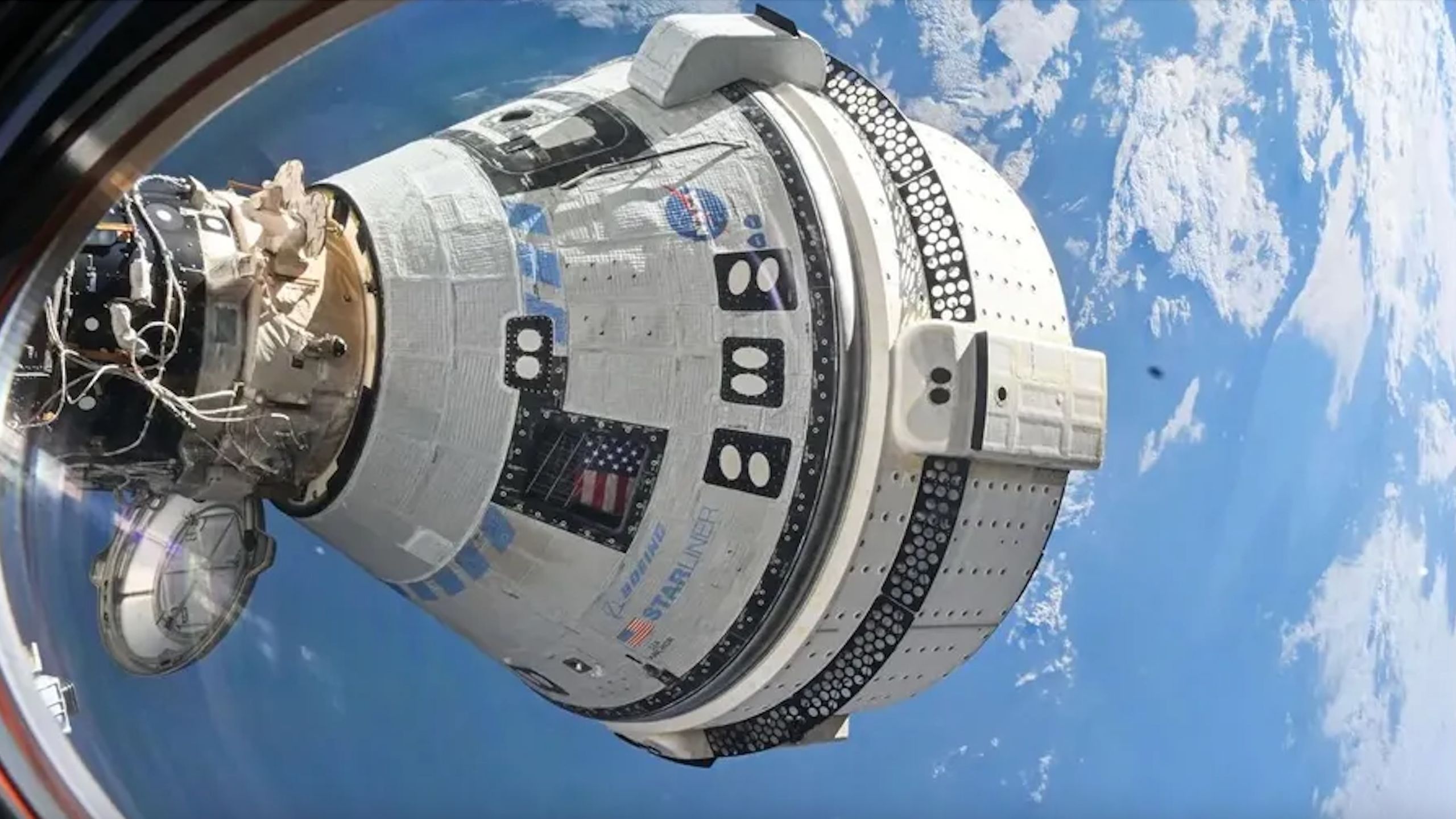
Boeing’s Starliner spacecraft is set to resume crewed flights in 2028, following an uncrewed test flight to the ISS planned for late 2023 or early 2024. This timeline comes after a series of setbacks during its initial test flights, including issues in its 2019 and 2022 missions that prevented it from successfully docking with the ISS.
The first crewed flight, known as Crew Flight Test (CFT), launched in June 2024 but faced problems like helium leaks and malfunctioning thrusters. Despite these challenges, Starliner managed to dock at the ISS successfully, although NASA opted not to return the astronauts aboard the spacecraft. Instead, the astronauts remained on the ISS and returned home via a SpaceX Crew Dragon capsule.
The delays in Starliner’s development coincide with SpaceX’s ongoing success in the commercial crew program, having completed multiple astronaut missions since winning the same contracts from NASA in 2014. NASA has emphasized the importance of having multiple options for crewed spaceflight and continued to invest in Starliner, even as it categorized the CFT as a serious mishap earlier this year.
Boeing has implemented several modifications to address the issues identified during the CFT, such as changing seal materials to prevent helium leaks and modifying the thruster systems to mitigate corrosion-related anomalies. Starliner-1, the upcoming uncrewed mission, will not test all these improvements, hence the significant gap before Starliner-2’s crewed flight.
NASA has announced that veteran astronaut Woody Hoburg will command the Starliner-2 mission, although his crew members have yet to be disclosed. The spacecraft will launch on an Atlas V rocket for the first four flights, transitioning to the new Vulcan Centaur rocket for subsequent missions. NASA has budgeted $359 million for spacecraft upgrades and certification of the Vulcan rocket.
As Starliner continues its development, SpaceX remains dominant in the commercial spaceflight sector, recently securing additional contracts from NASA for Crew-15, Crew-16, and Crew-17, expected to be launched by 2030. Meanwhile, SpaceX looks to transition to its fully reusable Starship system for future missions.


