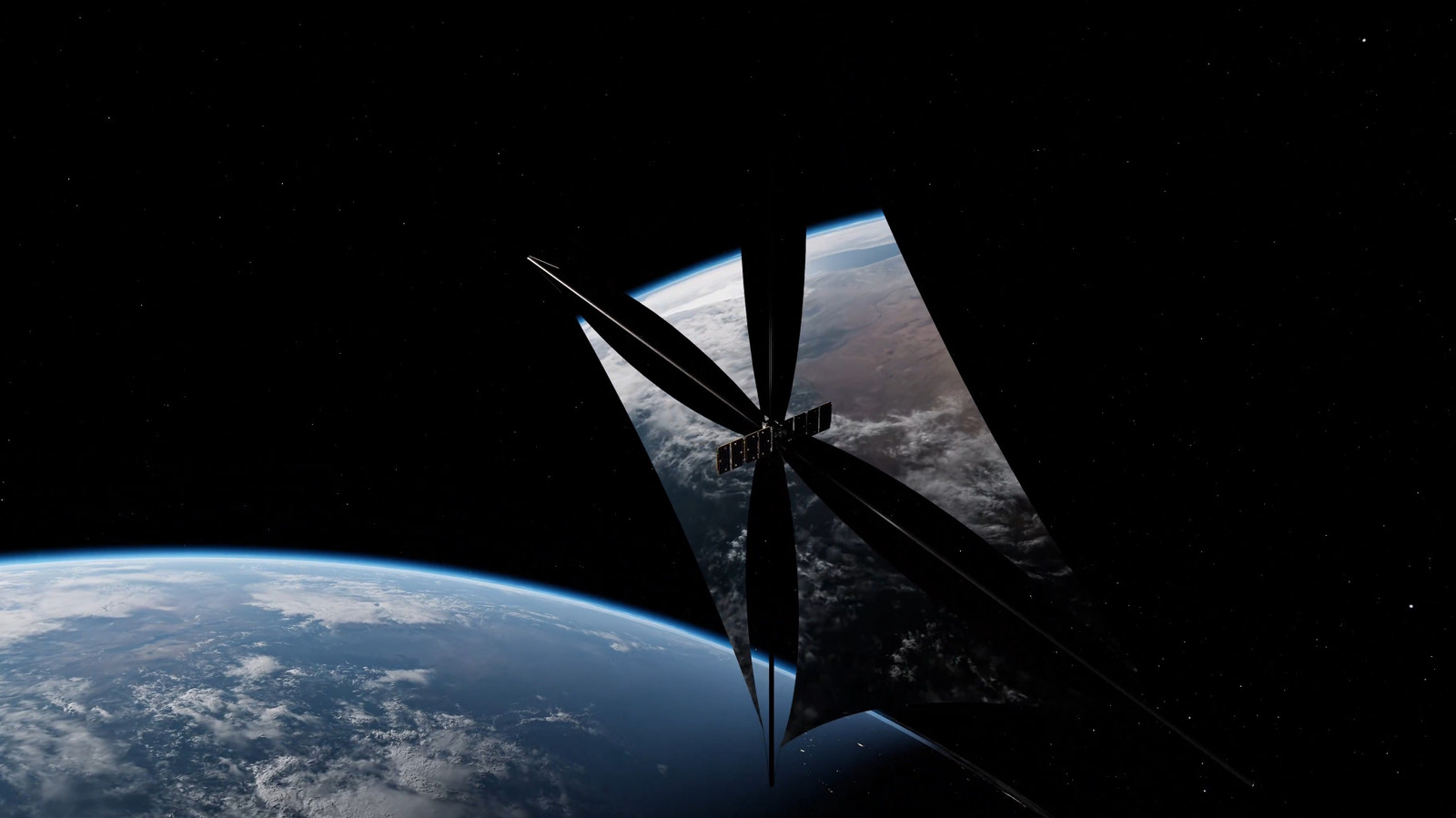
Reflect Orbital, a startup, aims to utilize space mirrors to provide clients with sunlight at night. They’ve received a license from the FCC to launch a demonstration satellite aboard a SpaceX mission. The satellite plans to deploy a 60-foot Mylar panel that reflects sunlight onto designated areas after sunset. Target markets include improving solar farm yields, crop production, and illuminating urban and disaster areas.
However, the plan has significant limitations. A single satellite can only deliver about 3.5 minutes of continuous sunlight per orbit, necessitating a vast constellation of 50,000 satellites for continuous coverage. Experts have estimated that achieving even 20% of midday sunlight would require around 3,000 satellites, raising questions about the project’s commercial viability.
Additionally, the environmental implications of such a satellite constellation could be severe. Concerns include increased light pollution, which already poses challenges for astronomers grappling with SpaceX’s Starlink satellites, and potential harm to wildlife, as artificial light disrupts natural rhythms. The American Astronomical Society warns that a large constellation could result in brightness levels exceeding that of a full moon, impacting both human observers and animal behavior significantly.


