Jazz History and Legacy in Seattle
Editor’s Note: Paul de Barros’ book, Jackson Street After Hours: The Roots of Jazz in Seattle, initially published in 1993, has shed light on Seattle’s rich and influential jazz history. With the release of an updated edition slated for October 2026, we revisit key figures, particularly the beginnings of renowned musician Quincy Jones against the backdrop of a thriving musical scene.
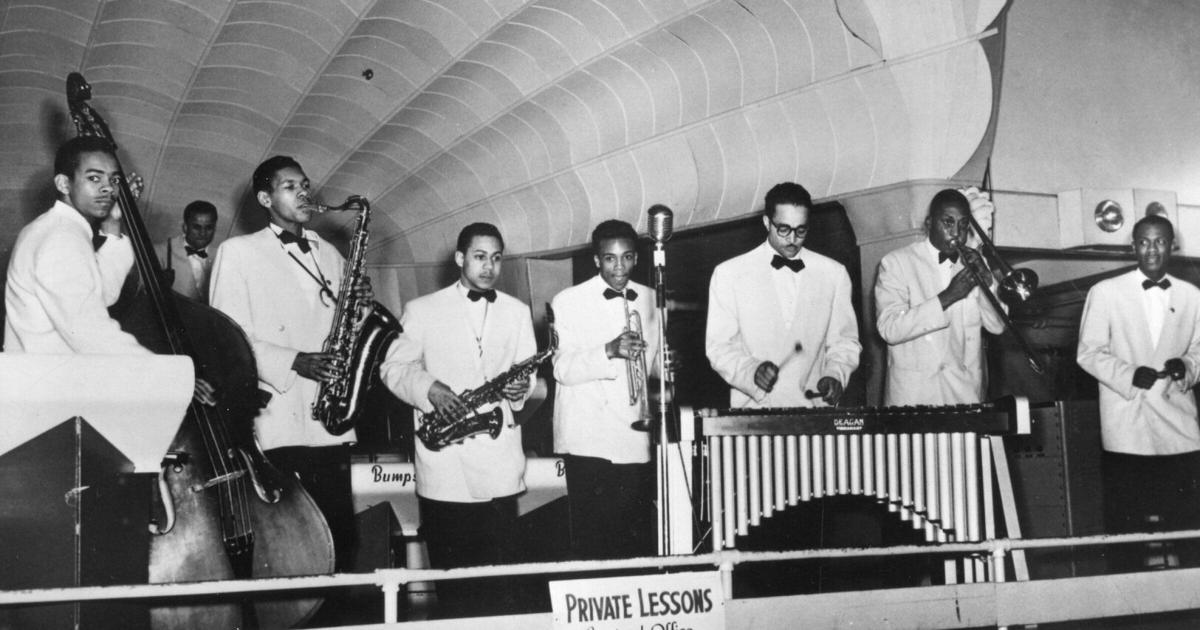
On February 16, 1949, the Dizzy Gillespie Afro-Cuban Big Band played at Seattle’s Senator Ballroom, marking a significant moment in jazz history. Among those missing this exciting event was a young Quincy Jones, then just 16, who was performing with the Bumps Blackwell Junior Band.
Quincy Jones: A Rising Star
Belonging to a new generation of musicians, Quincy was nurtured in the vibrant environment of Seattle’s Black community and under the guidance of figures like promoter Bumps Blackwell and saxophonist Charlie Taylor. The Bumps Blackwell Junior Band not only shaped Jones’ early career but also fostered numerous talents in the region, developing a legacy that resonates to this day.
Charlie Taylor, who initially led the band, drew inspiration from musicians visiting his household, which further motivated him to create music. He and Quincy, both integral to Seattle’s musical landscape, had profoundly influential experiences at Garfield High School, where they played in the concert band and began to forge their paths in jazz.
Musical Influence and Development
Quincy, who initially struggled with various instruments before settling on trumpet, found mentorship in local musicians and educators. Notably, Ray Charles, who arrived in Seattle around 1948, became a significant musical influence on Quincy. Their shared ambition and innovative spirit allowed them to develop together, forging a partnership that would revolutionize the music scene.
Ray’s lessons on harmony and composition deeply inspired Quincy, who remembered how a single chord changed his perspective on music. Their collaboration became a hallmark of innovation, driving their respective careers forward and contributing significantly to the jazz genre.
The Impact of Bumps Blackwell
Bumps Blackwell, though a flawed bandleader, played a crucial role in shaping the careers of young musicians like Quincy Jones. He catapulted the Junior Band to success in various high-profile venues, giving these aspiring artists exposure and experience.
However, his claims about having primarily launched Quincy’s career were exaggerated. Quincy acknowledged the musical influence of Charlie Taylor over that of Blackwell, emphasizing the importance of mentorship over mere promotion in their artistic journeys.
Leaving Seattle for Greater Horizons
With aspirations to expand his career, Quincy left Seattle for Berklee College of Music in Boston, aiming to immerse himself in a more vibrant jazz scene. His talent quickly caught the attention of legendary figures like Lionel Hampton, ultimately leading to opportunities in the mainstream jazz world.
Quincy’s time with the Bumps Blackwell Junior Band was formative, fostering an environment of innovation and learning. This collective experience set the stage for his later success, showcasing the electric atmosphere of Seattle’s jazz scene that produced legends.
This recounting of Quincy Jones’ formative years in Seattle underscores the city’s rich jazz heritage and highlights how early influences shaped one of music’s most important figures. The updated edition of de Barros’ work promises to deepen our understanding of these connections and the enduring legacy of Seattle’s remarkable jazz history.