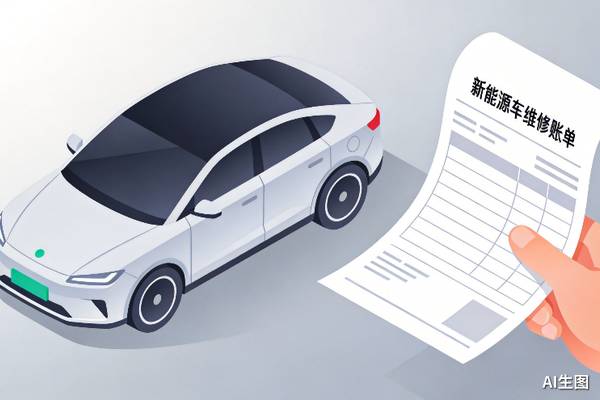
The rapid rise in popularity of new energy vehicles (NEVs) has highlighted a concerning issue: while these cars are becoming increasingly affordable to purchase, their maintenance costs are soaring, raising concerns among owners.
Key Issues in NEV Maintenance:
-
High Repair Costs: NEVs are reportedly 1.6 to 2.3 times more expensive to repair than traditional fuel vehicles. Minor faults can lead to thousands of yuan in costs, and major repairs can approach the price of the car itself. This is causing anxiety among owners, even those with substantial monthly incomes.
-
Changing Maintenance Dynamics: Traditional auto repair focused on replacing faulty components; however, NEVs often utilize highly integrated designs that make individual component repairs challenging. For example, if a minor part is damaged, it may necessitate replacing an entire assembly, driving costs up significantly.
-
Monopolized Repair Systems: Many automotive companies restrict access to diagnostic tools and spare parts, limiting repairs to authorized dealerships. This results in higher repair costs, as consumers lack alternatives and bargaining power.
-
Inadequate Aftermarket Ecosystem: The maintenance infrastructure for NEVs is less developed compared to traditional vehicles. Maintaining NEVs requires specialized knowledge, and the number of repair shops equipped to handle advanced technology is limited, often concentrated in urban areas.
-
The Path Forward: To address these challenges, it is crucial to reform the maintenance environment for NEVs. This includes:
- Promoting transparency in repair systems and allowing third-party access to diagnostics and parts.
- Investing in training programs for technicians to improve service efficiency and effectiveness.
- Collaborating with insurers to align insurance with maintenance costs, thereby alleviating some financial burdens on consumers.
In conclusion, addressing the high costs and limitations of NEV maintenance is vital for the sustainability of the new energy vehicle market. Failure to resolve these issues could adversely affect consumer trust and the future sales of NEVs.


