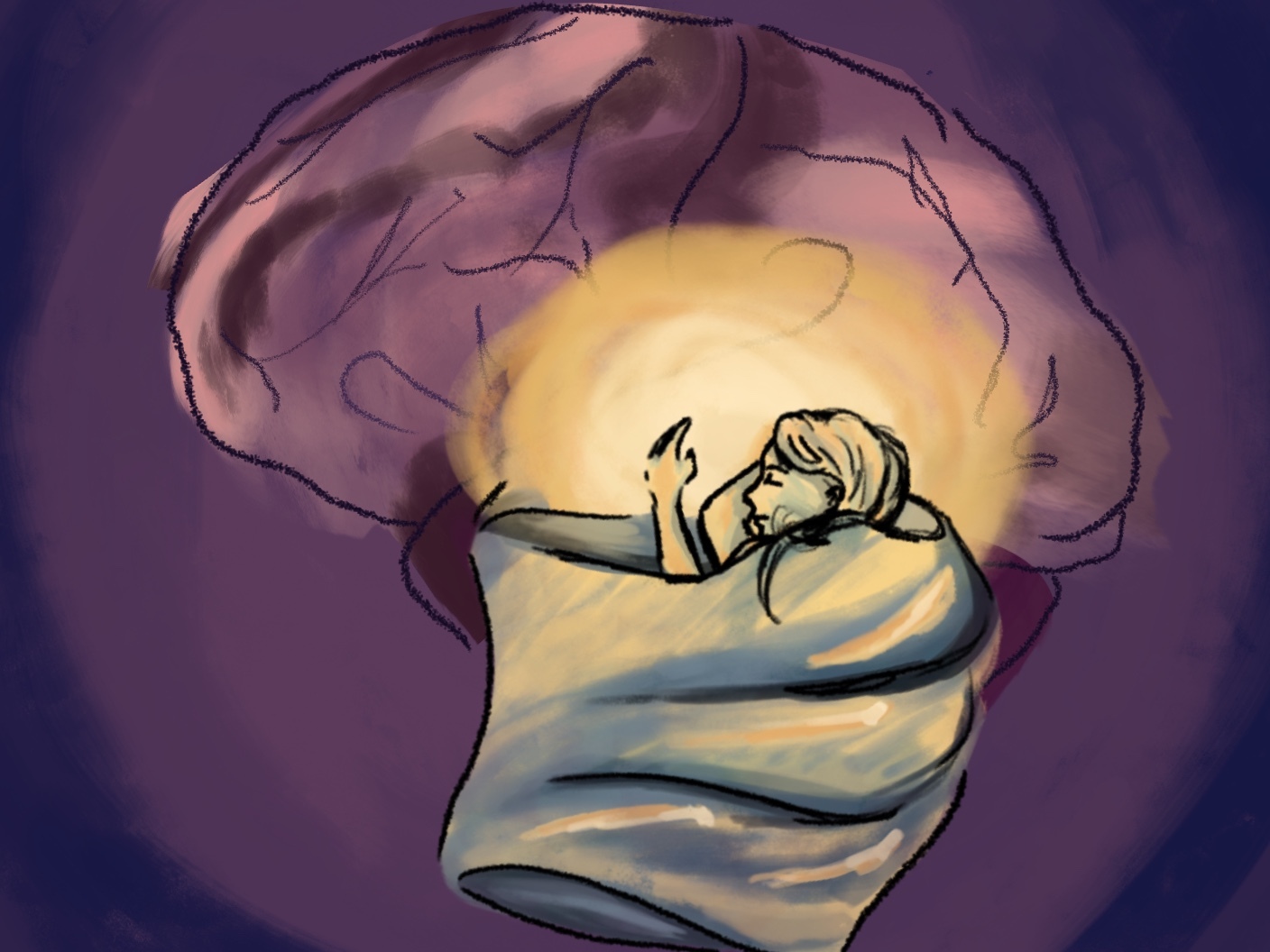
For over 20 years, scientists believed that the loss of hypocretin cells in the hypothalamus was the primary cause of narcolepsy. However, a recent study by Dr. Jerome Siegel from UCLA reveals a different cause: damage to the locus coeruleus, a region in the brainstem.
Narcolepsy, which is characterized by excessive daytime sleepiness and cataplexy (sudden muscle control loss), is linked to degeneration in the locus coeruleus, which is essential for regulating attention and wakefulness through norepinephrine release. Siegel’s research indicates that while hypocretin levels can vary among patients, the significant damage in the locus coeruleus is a key factor in narcolepsy symptoms.
The findings suggest that narcolepsy is a multifactorial condition rather than solely a hypocretin issue, offering new insights into the brain’s connection with the immune system. Researchers believe this work could lead to better understanding and treatment options for patients. Siegel emphasizes the importance of continued research, highlighting the locus coeruleus as the main actor in narcolepsy, a discovery that reshapes existing beliefs about the disorder.


