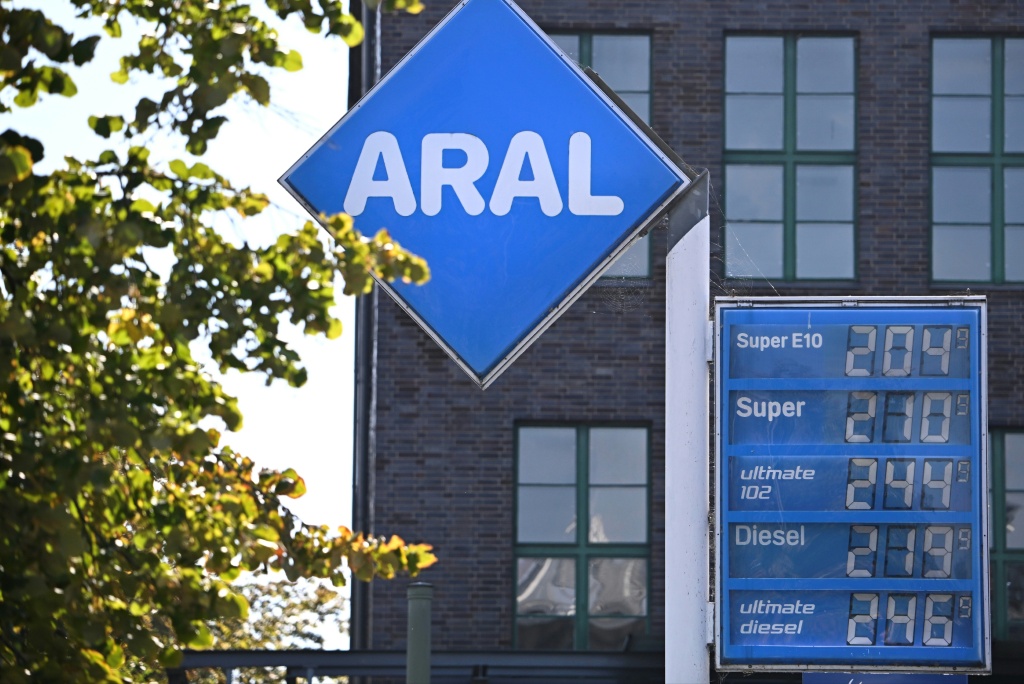
German motorists saw a reduction in fuel prices on Thursday as new subsidies took effect, aimed at lessening the financial impact of the ongoing conflict in the Middle East. According to the German automobile association (ADAC), consumers were paying 14 to 15 cents less per liter by midday.
Despite this, many drivers felt the reduction was insufficient. Andrea Hoecker, a public relations worker, described it as “just a drop in the ocean,” while teacher Lorena Konle noted that the situation remained “unsatisfactory.” Concerns have been raised by motoring organizations regarding whether the full subsidy will be reflected at the pump.
The government subsidy is set at 17 cents a liter, but actual discounts may vary due to oil prices and exchange rates. Past subsidies showed that energy companies retained a significant amount of the funds instead of passing them on to consumers.
Some economists criticized the approach, claiming it disproportionately benefits frequent drivers with larger vehicles rather than those with lower incomes or pensioners. Meanwhile, other EU countries are also implementing measures to alleviate rising fuel costs, such as cutting taxes and providing direct payments to citizens.


