Staff from the 1990s: ‘Lots of money was available’
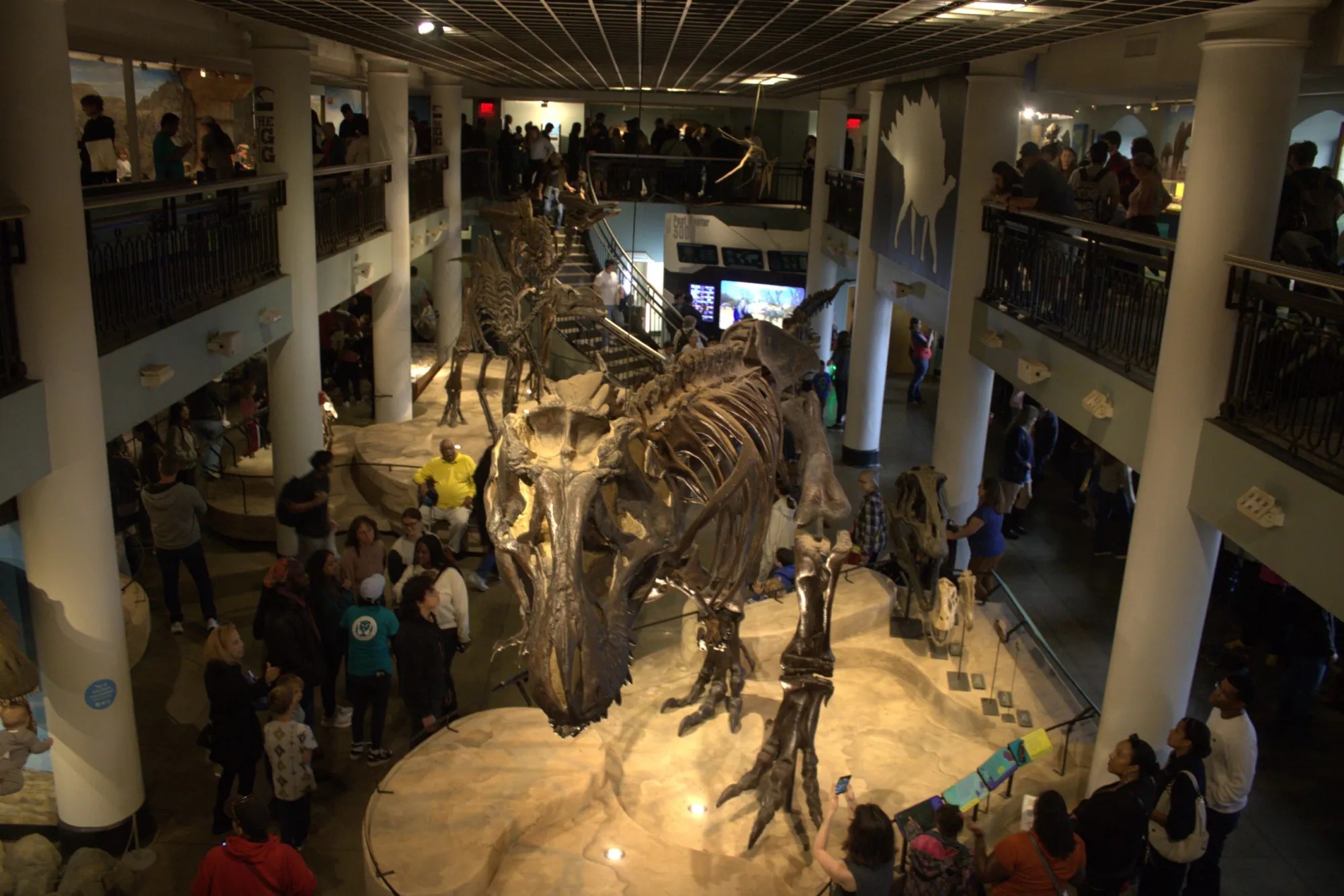
Staff at the museum in the 1990s remember an era filled with popular programs for families, school groups, and wedding parties. Peter Cook, who managed overnight and weekend programs, noted that these initiatives attracted groups to spend the night at the museum on Fridays and Saturdays, generating an impressive $300,000 annually. At its peak, the museum hosted 40 to 45 overnight programs with 300 to 400 participants each night.
“We had a full schedule of bookings. Financially, the museum was thriving. With combined income and grants from state, federal, and local foundations, there was plenty of funding available,” said Cook. Reflecting on his time, he mentioned that his role was the most enjoyable job he ever had, recalling a particularly memorable moment during a dinosaur class. He unveiled a sample of fossilized dinosaur poop, explaining its significance for understanding the dinosaurs’ diets.
“To 8-year-olds, this is funny,” he shared. “Their immediate reactions were often ‘ew’ or sometimes ‘cool,’ and I knew I might be sparking an interest in budding scientists.”
Although the building was old and prone to maintenance issues, Cook mentioned that funds were allocated for repairs, and there were no pressing problems to address. “We never had a clogged toilet during an overnight, even with 300 people in the building.”
Additionally, the academy benefited from a dedicated group of volunteers. Dusti Morton, who began as a volunteer and later helped manage overnight programs, emphasized their eagerness to contribute to the organization. The museum also hosted the Women in Natural Sciences program, which, funded through foundations and grants, aimed to introduce young women from public and charter high schools in Philadelphia to careers in science, mainly serving children from low-income, single-parent households.
Nancy Peter, who directed the program from the early 1980s to the 1990s, noted that after her departure, the initiative “really exploded.” She highlighted its status as one of the longest-running museum-based youth programs in the nation, mentioning that many former students have gone on to successful careers in science. Ongoing federally funded research aims to track the progress of those who participated in the program.


