Naming Culture: The Struggle for Palestinian Heritage
By: Rami Balin | Posted on: Sep 30, 2026
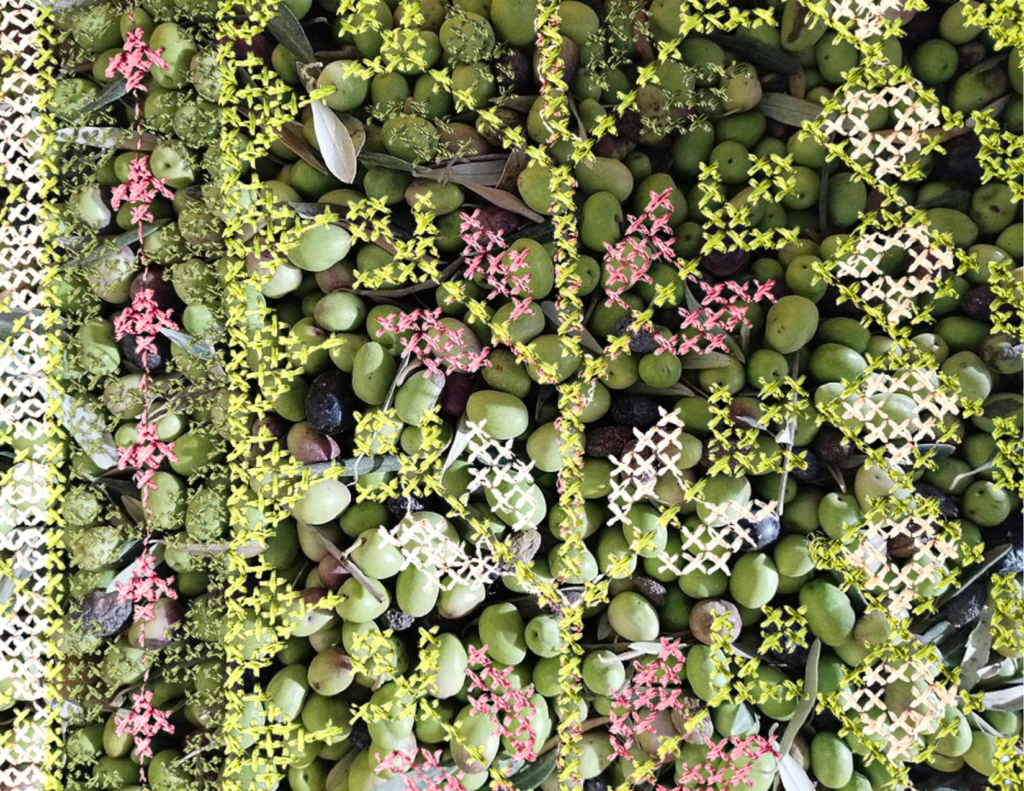
Collage by Rami Balin
Middle Eastern, Mediterranean, Levantine—these terms have been widely applied to various cultural aspects across regions, but they often abstract rich traditions, failing to recognize the unique identities tied to specific locations. For Palestinians, the struggle for naming—defining their culture—is intrinsically linked to their right to self-determination under the weight of settler-colonial occupation.
In a recent episode of Tarwida, a podcast that explores Palestinian arts and heritage, chef Joudie Kalla emphasizes calling her culinary creations “Palestinian food” rather than “Levantine.” This choice serves as a form of resistance against cultural appropriation, ensuring recognition of the deep roots and significance of food in her heritage. Similarly, chef Fadi Kattan insists on the unique connection of food to its land, grounded in local ingredients and traditions.
Culture Rooted in the Land
The 1948 Nakba witnessed the ethnic cleansing of Palestinians, leading to significant cultural and demographic shifts. This period marked the beginning of cultural preservation efforts for Palestinians, who have faced systematic efforts to erase their identity. The renaming of places and appropriation of cultural symbols have been tactics employed to solidify Zionist claims over the land. Author Saree Makdisi, in Tolerance is a Wasteland, discusses how these practices alienate landscapes from their Indigenous roots, perpetuating harm to both culture and environment.
Palestinian culture is inextricably tied to the land, encompassing not just geographical but emotional and cultural bonds. The distinctive patterns of the kuffiyeh symbolize the olive trees, and the rhythm of the dabke dance connects movements to the heartbeat of the earth. Even the ingredients in traditional dishes reflect the unique elements of various Palestinian regions and their seasonal cycles.
Naming Culture
Pre-Nakba sources reveal rich culinary diversity across different Palestinian regions—coastal areas, the Naqab desert, and the Galilee each boast their unique flavors. Terms like “Middle Eastern” and “Mediterranean” fail to capture this depth. Historically, the term “Middle East” stems from a European colonial perspective, while “Mediterranean” overlooks crucial distinctions between cultures, like those of Greece and Palestine.
The term “Levant” also carries colonial implications; it was derived from the French and reflects borders imposed by colonial powers. These divisions have significantly impacted cultural identities in the region, complicating the notion of shared cultural heritage.
Palestinian Heritage as Resistance
In the face of colonial narratives that deny the existence of a separate Palestinian identity, it is vital to assert the specificity of “Palestinian.” Describing a dish or cultural element as Palestinian counters the broader narrative of erasure. As seen with restaurants marketing “Israeli” cuisine as Middle Eastern, the appropriation of Palestinian dishes supports a colonial discourse that attempts to redefine cultural ownership.
Palestinian cultural enterprises—whether restaurants, art studios, or shops—serve not just as expressions of creativity but as political acts that affirm cultural heritage and identity, even in exile. They disrupt the colonial narratives, reestablishing the undeniable connection between Palestinians and their land.


