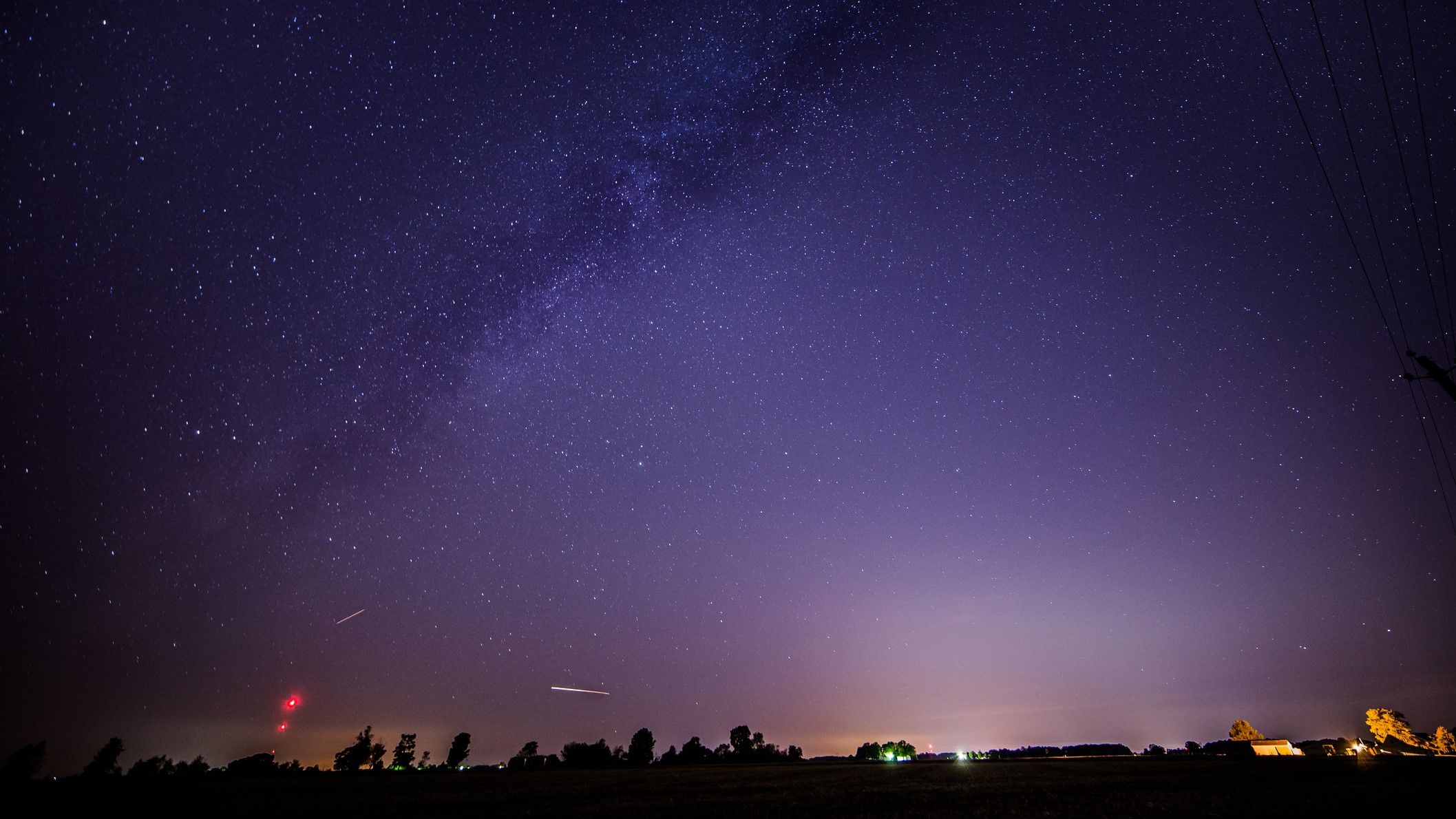
Draconid Meteor Shower 2026: What You Need to Know
Key Dates and Viewing Conditions
- Peak: Overnight on October 8-9, 2026
- Active Period: From October 6 to October 10
- Viewing Conditions: Almost completely moonless skies, ideal for meteor observation.
About the Draconids
- Zenithal Hourly Rate (ZHR): Typically around 5 meteors per hour.
- Historical Activity: The Draconids can be unpredictable, with notable meteor storms recorded in 1933 and 1946, producing thousands of meteors per hour.
Origin of the Meteor Shower
- Comet: The shower is caused by Earth passing through debris from Comet 21P/Giacobini-Zinner, which orbits the sun every 6.6 years.
Viewing Tips
- Best Viewing Time: Evening after dark, particularly around 9 PM EDT on October 8, 2026, when the constellation Draco is high in the sky.
- Location: Find a dark location away from city lights. Allow your eyes to adjust for about 30 minutes.
- No special equipment is needed; just lie back and enjoy the sky.
Additional Resources
- For photography tips and gear recommendations, check out guides on how to photograph meteors and the best cameras and lenses for astrophotography.
Fun Facts
- Constellation Draco: The Draconids are named after this constellation, which means “dragon” in Latin.
- Light Pollution: The less light pollution, the better the viewing experience.
Conclusion
Mark your calendars for the Draconid meteor shower on October 8-9, 2026. With optimal conditions predicted, it’s an excellent opportunity for skywatchers to witness this celestial event!


