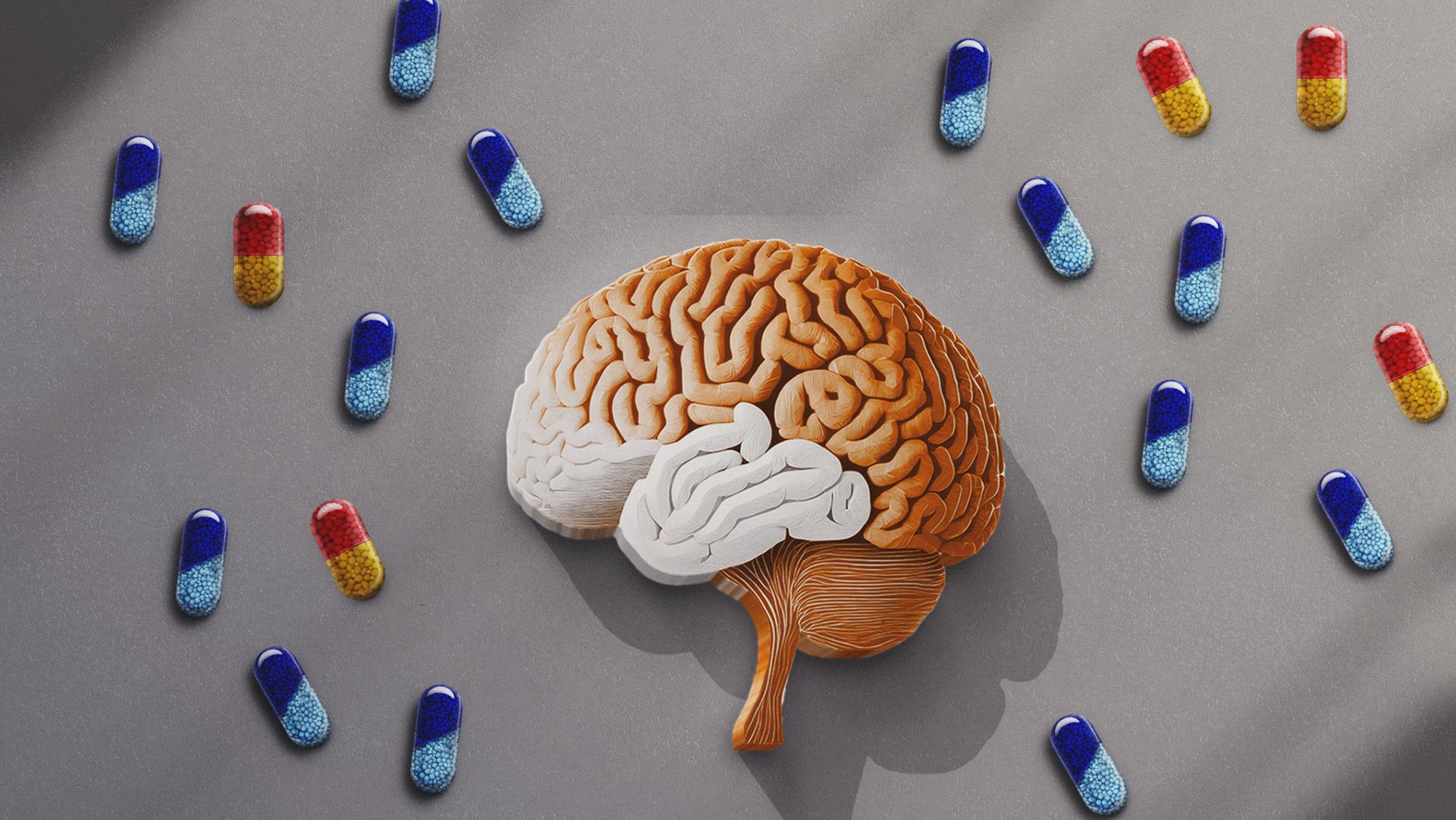
In modern times, lithium is often associated with powering smartphones and electric cars, but its historical significance lies in its use as a mood stabilizer. Since 1949, lithium has been recognized as a treatment for bipolar disorder, and it remains the gold standard for this complex psychiatric condition. It’s effective in managing both depressive and manic episodes, primarily due to its ability to prevent relapses.
Understanding Bipolar Disorder:
Bipolar disorder is characterized by extreme mood swings, including manic and depressive episodes. According to clinical experts, experiencing mania alone is enough for a diagnosis. Mania leads to elevated moods, increased energy, and risky behaviors. Treating bipolar disorder is challenging, as medications that help with one mood state can exacerbate another.
The Role of Lithium:
Lithium is unique in that it effectively manages both ends of the mood spectrum. It’s believed to work by mimicking sodium ions, allowing it to easily enter brain cells and influence various cellular processes. While the exact mechanisms of how lithium stabilizes mood remain unclear, it is known to interact with neurotransmitters and block certain enzymes that affect mood regulation.
Despite its benefits, lithium isn’t without drawbacks. About a third of patients see profound improvements, another third experience moderate effects, and the remaining third do not respond at all. Furthermore, lithium has a narrow therapeutic window, which means careful monitoring is necessary, as it can have toxic effects on the kidneys and thyroid.
While no medication is without side effects, lithium has proven to be life-changing for many bipolar disorder patients. The challenge lies in optimizing its use to benefit more individuals effectively.


