The travel industry is increasingly urging travelers to reconsider plans to visit certain destinations in light of overtourism and its negative impacts on local communities, ecosystems, and infrastructure. Here are twelve locations highlighted for reconsideration in 2026:
-
Antarctica: With no infrastructure to handle an influx of tourists, the fragile ecosystem is at risk from rising visitor numbers, which could double to 240,000 by 2033.
-
The Canary Islands, Spain: Growing protests against overtourism emphasize strain on local housing and ecology, where wealth from tourism predominantly benefits outside investors.
-
Glacier National Park, Montana: Diminishing glaciers and overwhelming visitor numbers threaten the park’s natural beauty, urging experts to recommend off-peak visits or alternative destinations.
-
Isola Sacra, Italy: Plans for large cruise ships threaten to harm the delicate coastal environment, a situation locals strongly oppose.
-
The Jungfrau Region, Switzerland: Increased tourism negatively affects this UNESCO World Heritage site, straining infrastructure and glacial resources.
-
Mexico City, Mexico: Tourism-driven gentrification has caused social tensions and rent surges in historic neighborhoods, raising community concerns.
-
Mombasa, Kenya: Overwhelmed by tourist influx, the city struggles with environmental degradation and inadequate infrastructure.
-
Montmartre, Paris: Increased tourism has caused displacement of residents and a loss of local character, sparking calls for reduced congestion.
-
Santorini and Mykonos, Greece: New visitor fees highlight overcrowding issues on these popular islands, which are attempting to manage tourist numbers more sustainably.
-
Barcelona, Spain: The city is responding to overtourism with significant regulatory changes, including limits on new accommodations and increased tourism taxes.
-
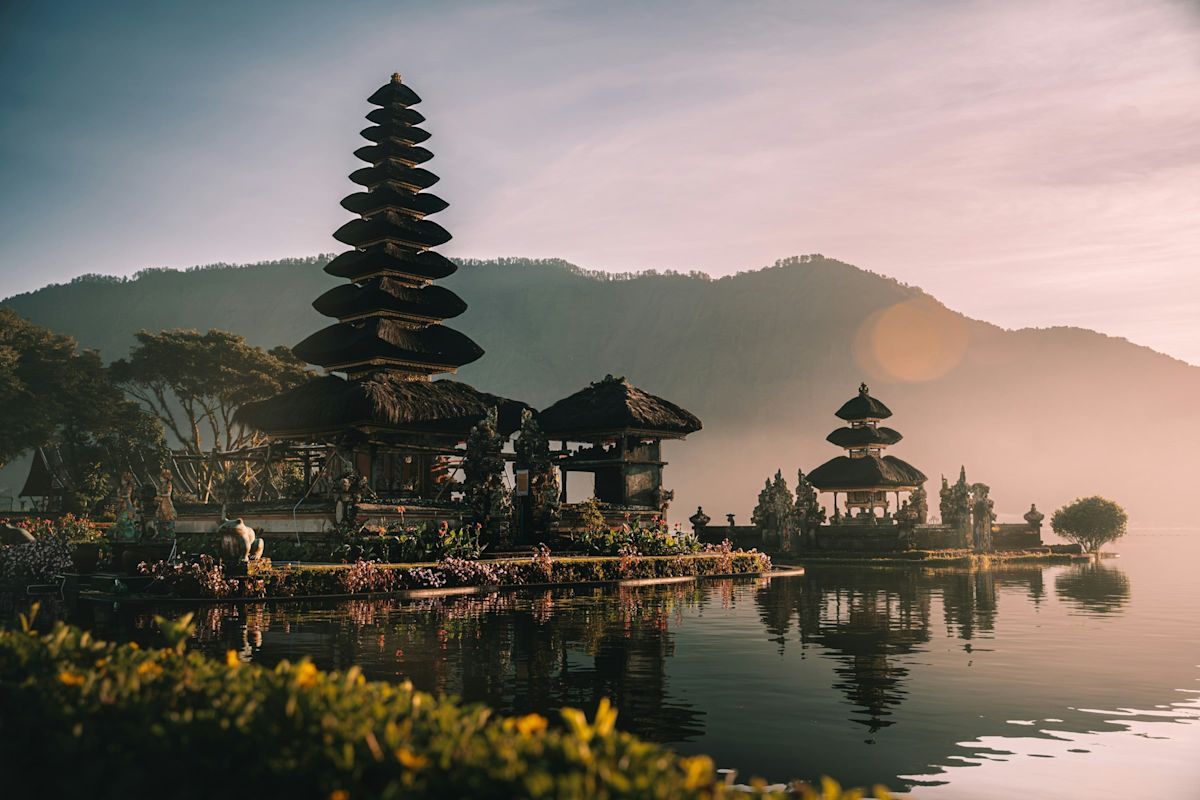
Bali, Indonesia: Rising popularity led to increased tourism fees aimed at managing resource strain and funding sustainability efforts.
-
Venice, Italy: The city introduced an entry fee during peak days to manage crowding, signaling ongoing challenges with overtourism.
Travel experts suggest prioritizing timing and intention when visiting these locations. Choosing off-peak times, supporting local businesses, and exploring less frequented areas could help alleviate pressure on these popular destinations. Ultimately, the message is not to avoid these places forever, but to allow them time to recuperate from heavy tourism loads.