Understanding REM Sleep and Brain Energy Management
The Brain’s Energy Use
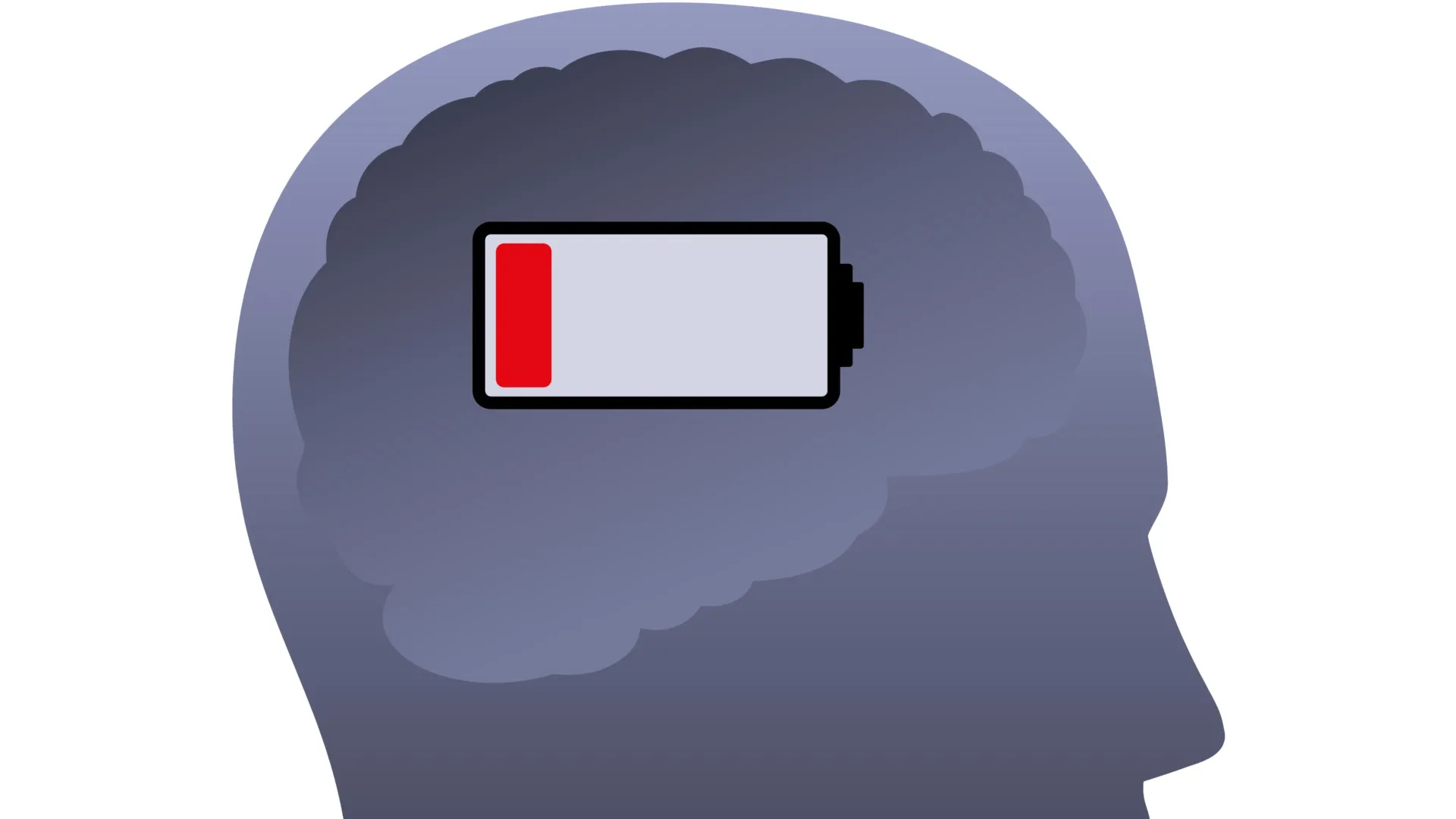
The brain, despite its small size, consumes a significant amount of energy. It cleverly manages this energy by adapting its resource use, especially during different states like sleep.
The Paradox of REM Sleep
Research from Tohoku University reveals intriguing aspects of Rapid Eye Movement (REM) sleep. When the brain is most active during dreams, while energy levels appear increased, the actual energy molecule (ATP) used by neurons decreases.
Research Insights
The study, published in Communications Biology, focused on how the brain adjusts energy levels while sleeping. Researchers made mouse skulls transparent and utilized advanced imaging techniques to observe changes in brain blood volume and energy molecule levels during sleep phases.
Key Findings
- Non-REM to REM Transition: Before REM sleep, blood volume in the brain increases, indicating preparation for more intense activity.
- Energy Dynamics During REM: While energy supply indicators (like astrocytic pyruvate) rise, neuronal ATP levels fall, suggesting that the dreaming brain demands high energy despite lower ATP availability.
Possible Explanations for Energy Dynamics
The drop in neuronal ATP could result from:
- Increased use of ATP for memory processing and synaptic changes during REM.
- Shifts in how metabolic resources are transferred from astrocytes to neurons.
- Changes in mitochondrial ATP production.
Implications for Biological Intelligence
This research highlights how animal brains function under strict metabolic constraints, redistributing energy resources based on needs. Understanding these dynamics may illuminate how biological systems achieve efficient processing, particularly through mechanisms seen in REM sleep.
Conclusion
This exploration into REM sleep not only sheds light on its crucial role in cognitive functions like memory consolidation but also emphasizes the intricate balance of energy supply and demand in the brain. The findings underscore sleep’s importance for both mental and physical health.


