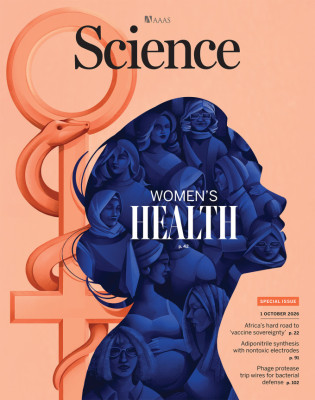
The latest issue of the journal Science highlights the importance of sex-specific medicine, particularly in understanding women’s health, through a striking cover image featuring a woman and a coiled snake symbolizing medicine.
Despite women making up over half the global population, much medical knowledge has historically been based on studies of men. Recently, this trend has started to shift, focusing on how sex differences impact health, disease, and treatment.
The October 1 issue includes a commentary and four reviews exploring various aspects of women’s health. Key highlights include:
-
Ovarian Function Post-Menopause: Research by Michael Stout and Francesca Duncan proposes that the ovary remains active after menopause, influencing aging and inflammation, emphasizing the need for more investigation into the substances it produces.
-
Pregnancy and Immune System Reprogramming: A team from the Pasteur Institute and CNRS discusses how pregnancy alters the immune system, impacting maternal health well beyond childbirth.
-
Effects of Sex Chromosomes: Researchers from the University of Arizona and UC San Francisco review how sex chromosomes affect health and aging, advocating for advanced technologies like machine learning to deepen our understanding of these mechanisms.
-
Menopause and Related Health Issues: A study from the University of Toronto links menopause—affecting about 40% of a woman’s life—to various age-related diseases and notes that numerous hormonal therapies have been developed to alleviate symptoms.
-
Chronic Pain in Women: Research from UC San Francisco indicates that women experience specific chronic pain conditions linked to biological factors such as hormones and immune responses.
The overarching theme emphasizes that biological sex differences significantly impact health beyond reproductive factors, calling for continued research to enhance women’s health outcomes.
For further details, you can check the publication here.


